New Forest: learning, knowing and passing it on.

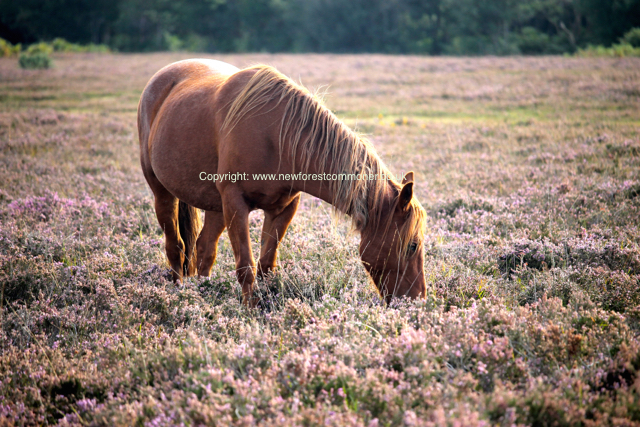
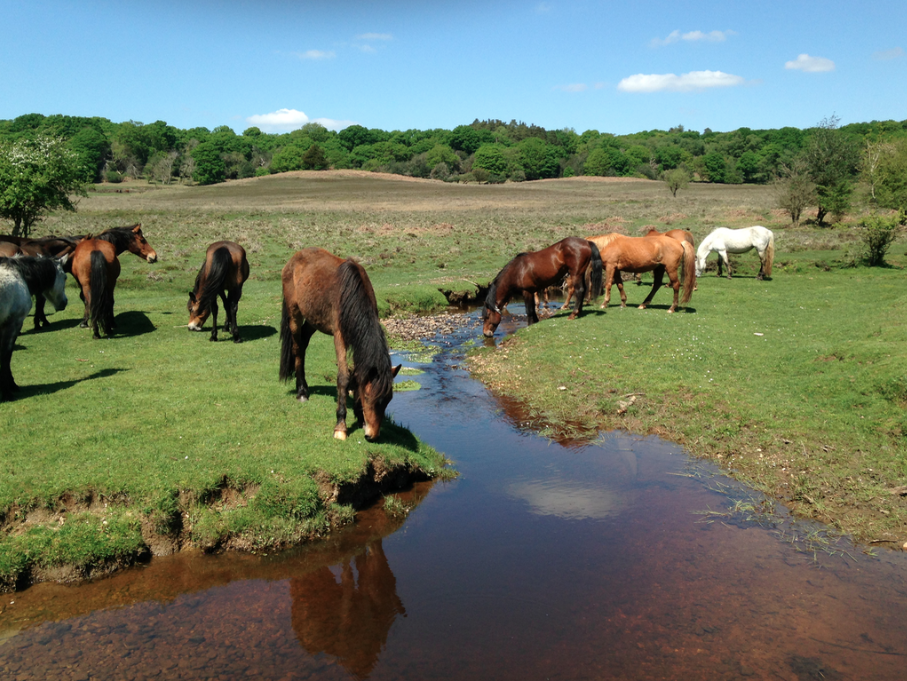
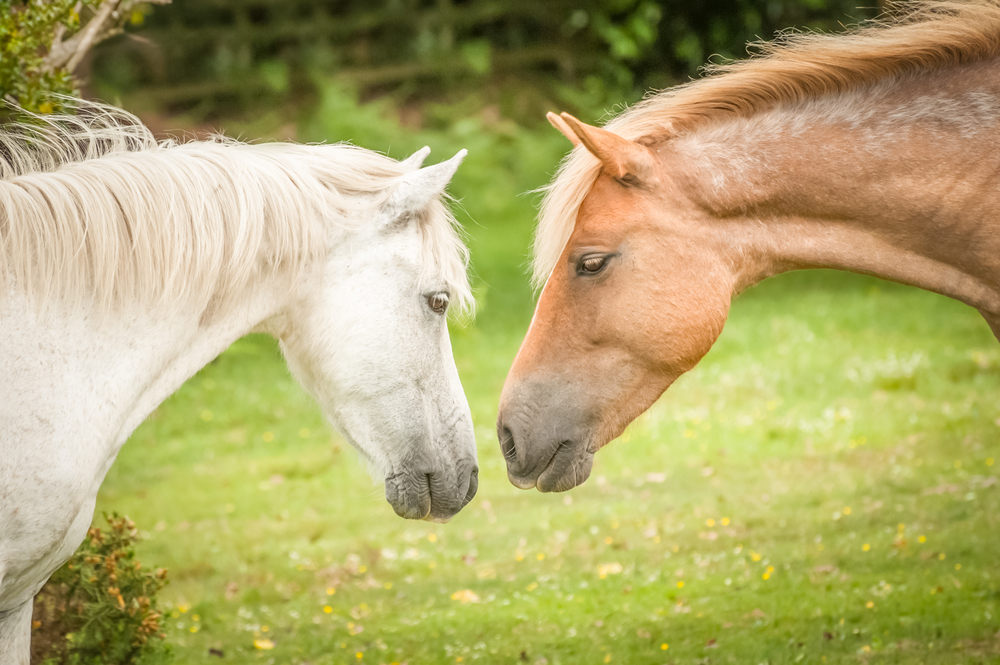
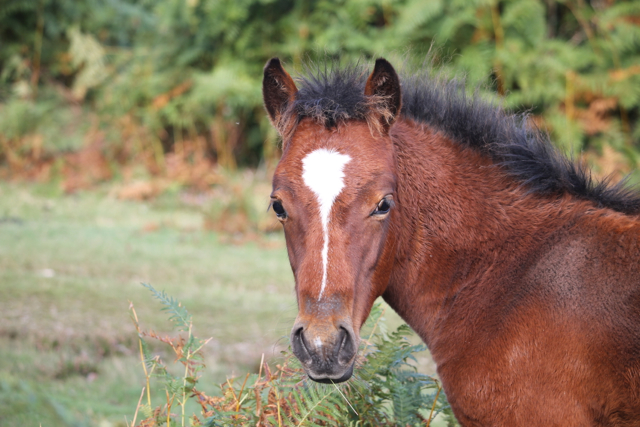
Although the New Forest ponies are referred to as 'wild' the herds are a mixure of semi-feral and domesticated animals.

For me, the New Forest is the only place to be come rain or shine, winter or summer.

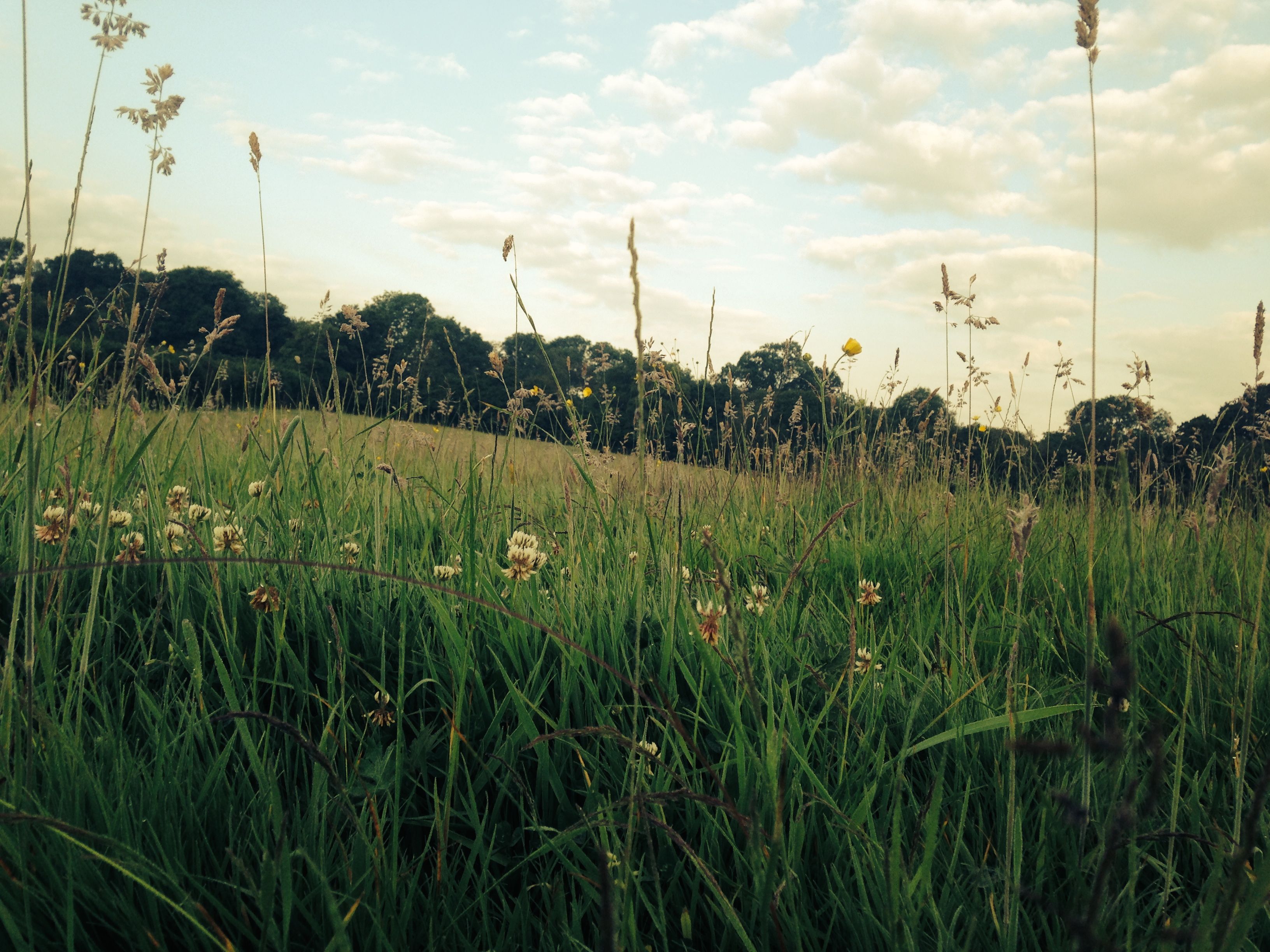
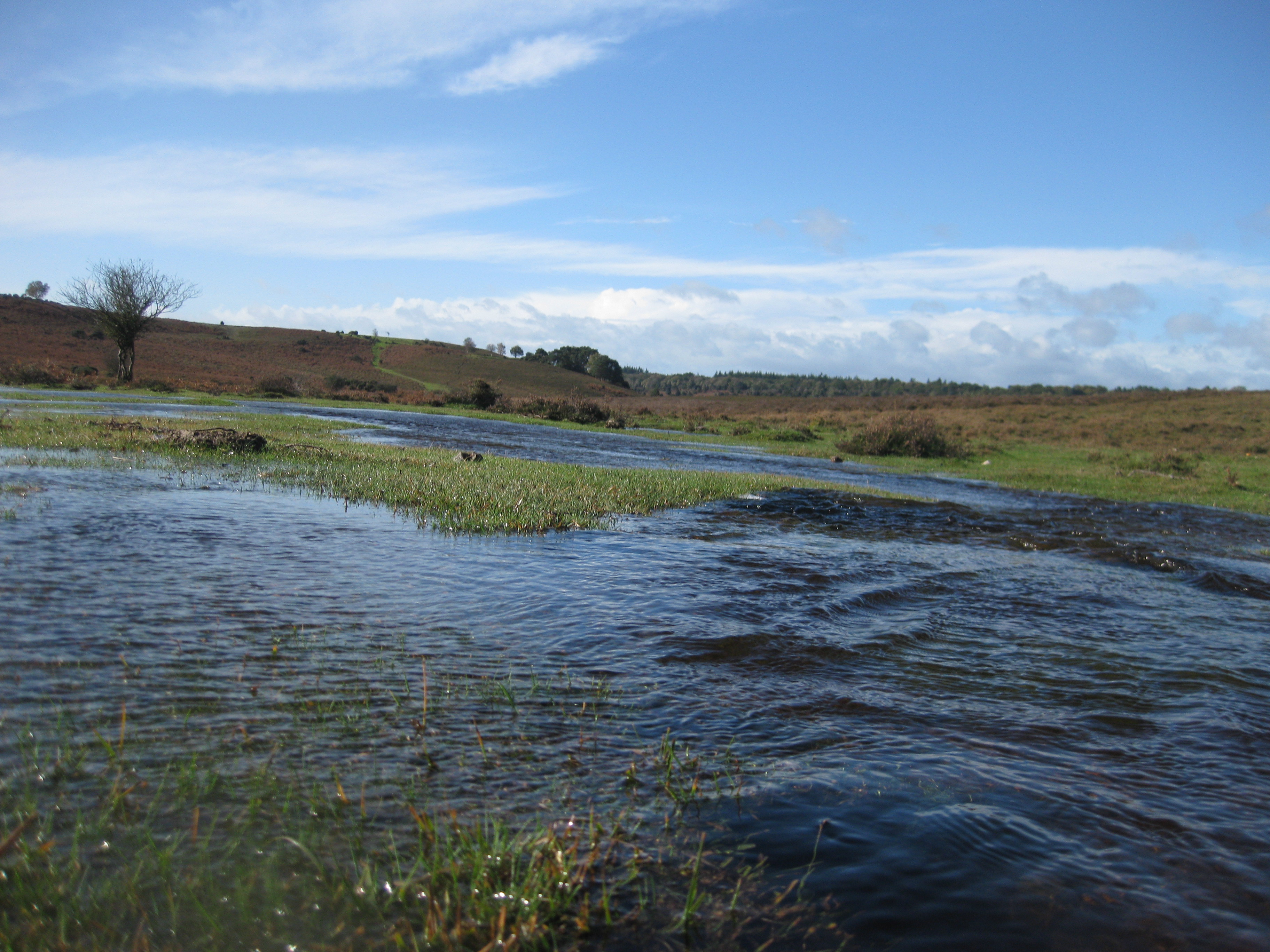
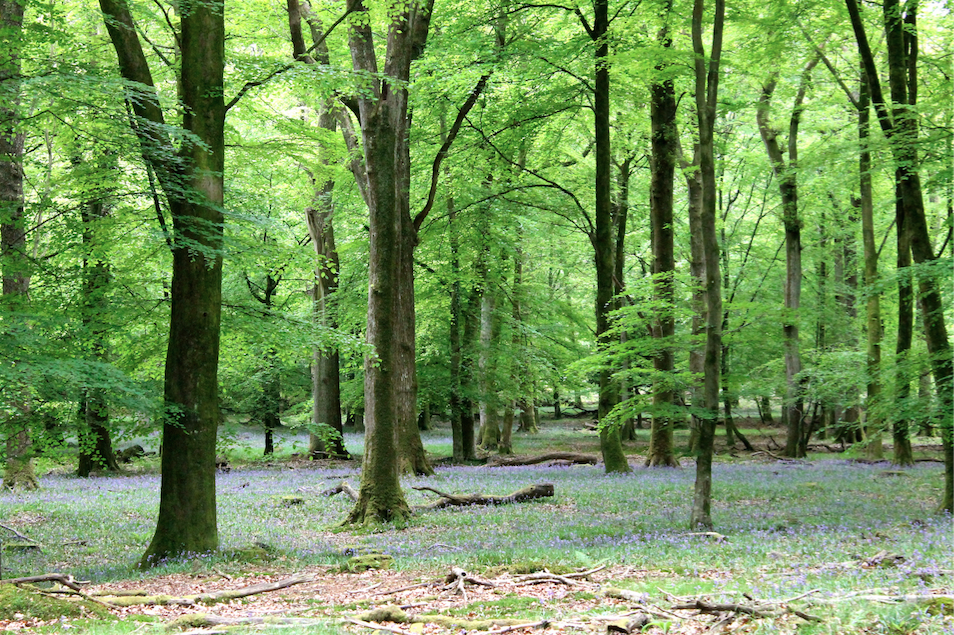
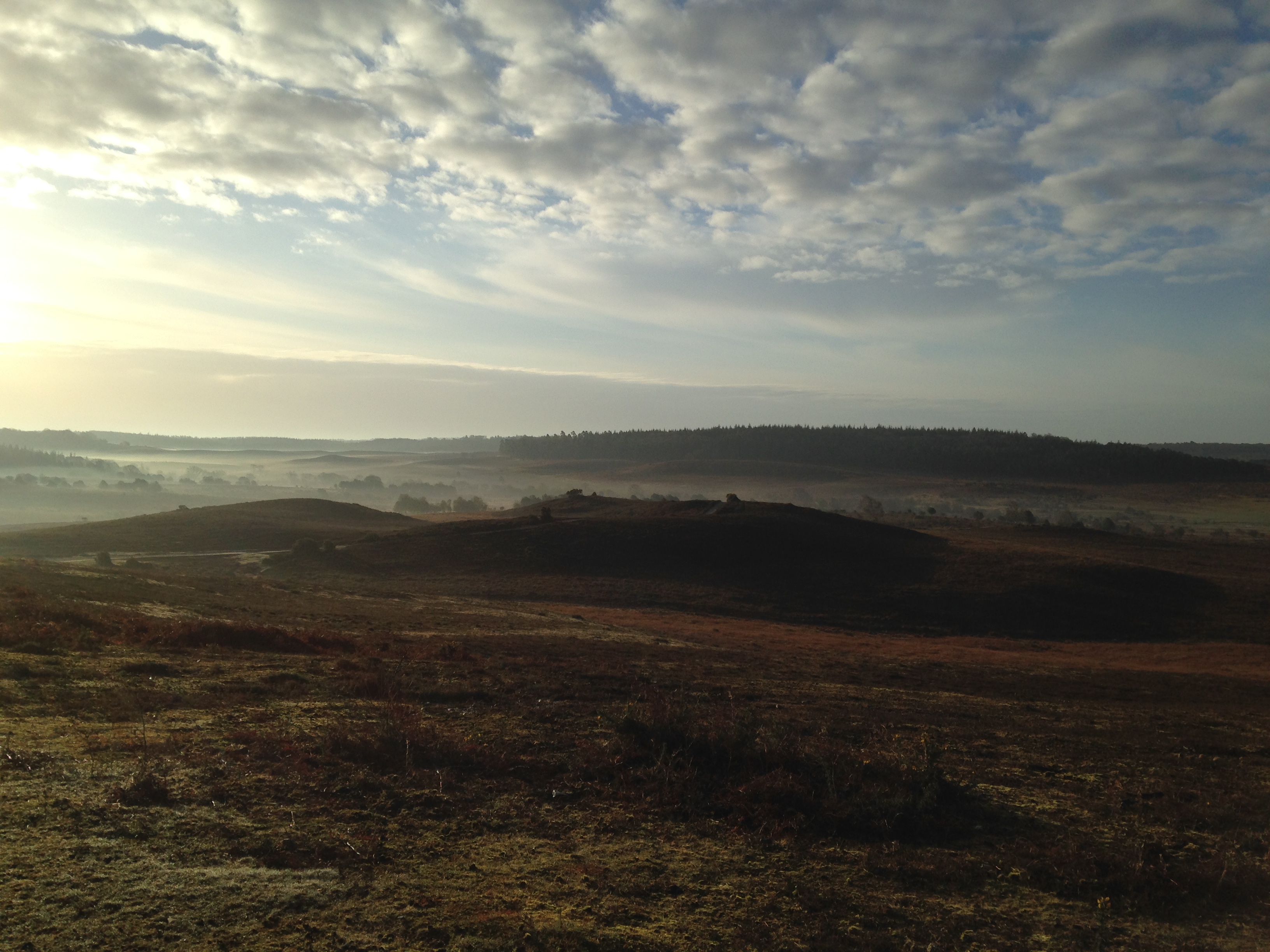
For me the natural world is a place of wonder and exploration. Being in the New Forest no matter what time of day, what time of year or in what kind of weather is such a fulfilling experience. The sound of the lapwing and the lark, the smell of coconut from the gorse, the sight of foals in spring and the heather in the autumn are just some of the things I look forward to enjoying each year. I listen to the commoners who have lived their whole lives on the Forest and find myself envious of their experiences and accumulated knowledge. I never tire of the anecdotes they tell, the gossip they repeat and the wisdom they impart. Their connection to the landscape and to each other is remarkable and in some cases I can clearly see that it is possible for memories to be genetically passed between the generations.[1] Indeed, it is true to say that some scientific studies in the New Forest have only confirmed what has been in the knowledge or opinion of commoners for generations, and that other studies have ‘missed or under-recorded’ elements that are obvious to those familiar with the Forest.[2] Even for me, during the past few years, my knowledge has grown and I now know when to expect the first cuckoo call of the year, how to identify animal tracks, the significance of cotton grass growing in the valleys, and the feel of woodfidley rain. My commoning friends would have learnt all these things in childhood.

Visitors and the tourism trade
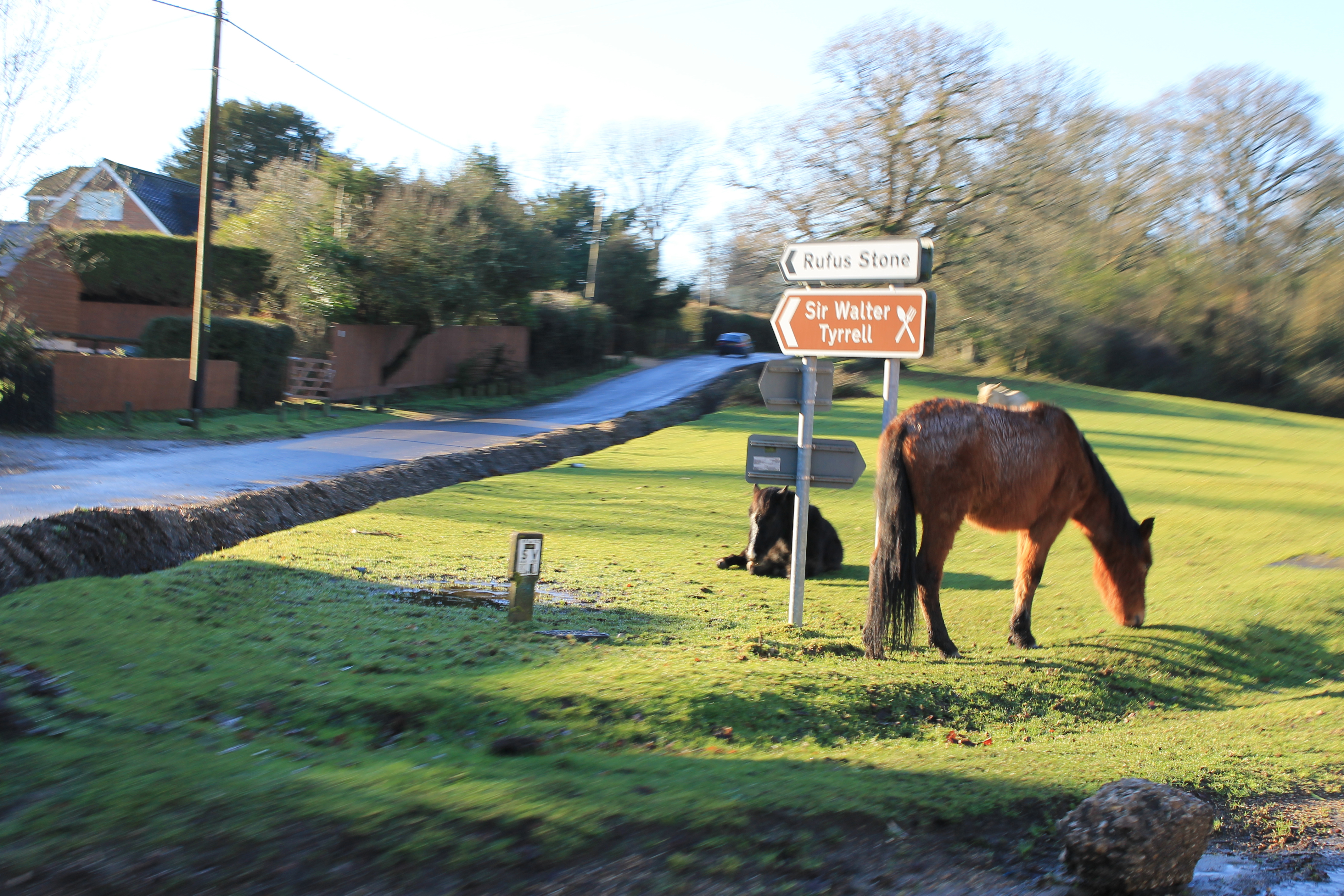
Visitors have often relied upon the commoner’s intimate knowledge of the New Forest and its flora and fauna. The commoner’s in their turn have exploited this reliance to their advantage. In times past, for example, it was necessary to hire local people to act as guides when travelling from one part of the Forest to another. During the Victorian period there was a rise in demand for tourism, which was serviced by the increasing network of railway lines that brought people from the cities into the countryside. As the holiday trade grew some commoners were able to earn an additional income by leasing out their ponies to day-trippers or escorting tourists to popular destinations, such as the Rufus Stone. Visitors would also have been treated to stories of Forest life, folklore and episodes from its history, no doubt some of it liberally mixed with tall-tales. Today tourism in the New Forest is one of the biggest contributors to the local economy. Modern technology has largely replaced the larger than life characters who often impressed visitors with their knowledge of its history and wildlife. Satnav and smart phone applications too have also improved the quality of directions from place to place. The grandfather of a commoning friend of mine, when asked for directions by visitors used to say, “well, I wouldn’t start from here if I were you”. At least Satnav doesn’t do that!

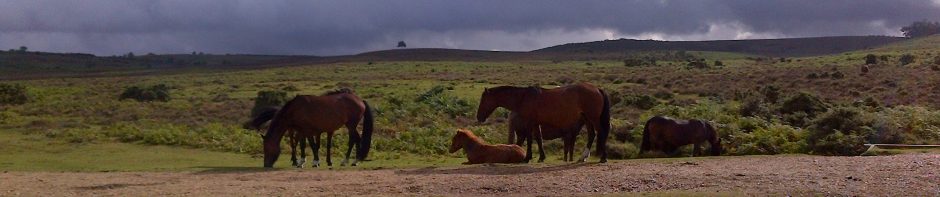
The New Forest ponies are free to roam and like other travellers use the roads to get from A to B.

Modern technology, and other devices, help visitors to navigate the New Forest.

[1] James Gallagher, ‘Memories Pass Between Generations’, BBC News – Health, 1st December 2013, http://www.bbc.co.uk/news/health-25156510, [accessed 18 June 2016].

[2] Colin Tubbs, The New Forest, History, Ecology, & Conservation (Lyndhurst, 2001), p. 136.

Posted in New Forest | Tagged , , , , , , , , , , , , , , , , , , , , | Comments Off on New Forest: learning, knowing and passing it on.

Ragwort: friend or foe?

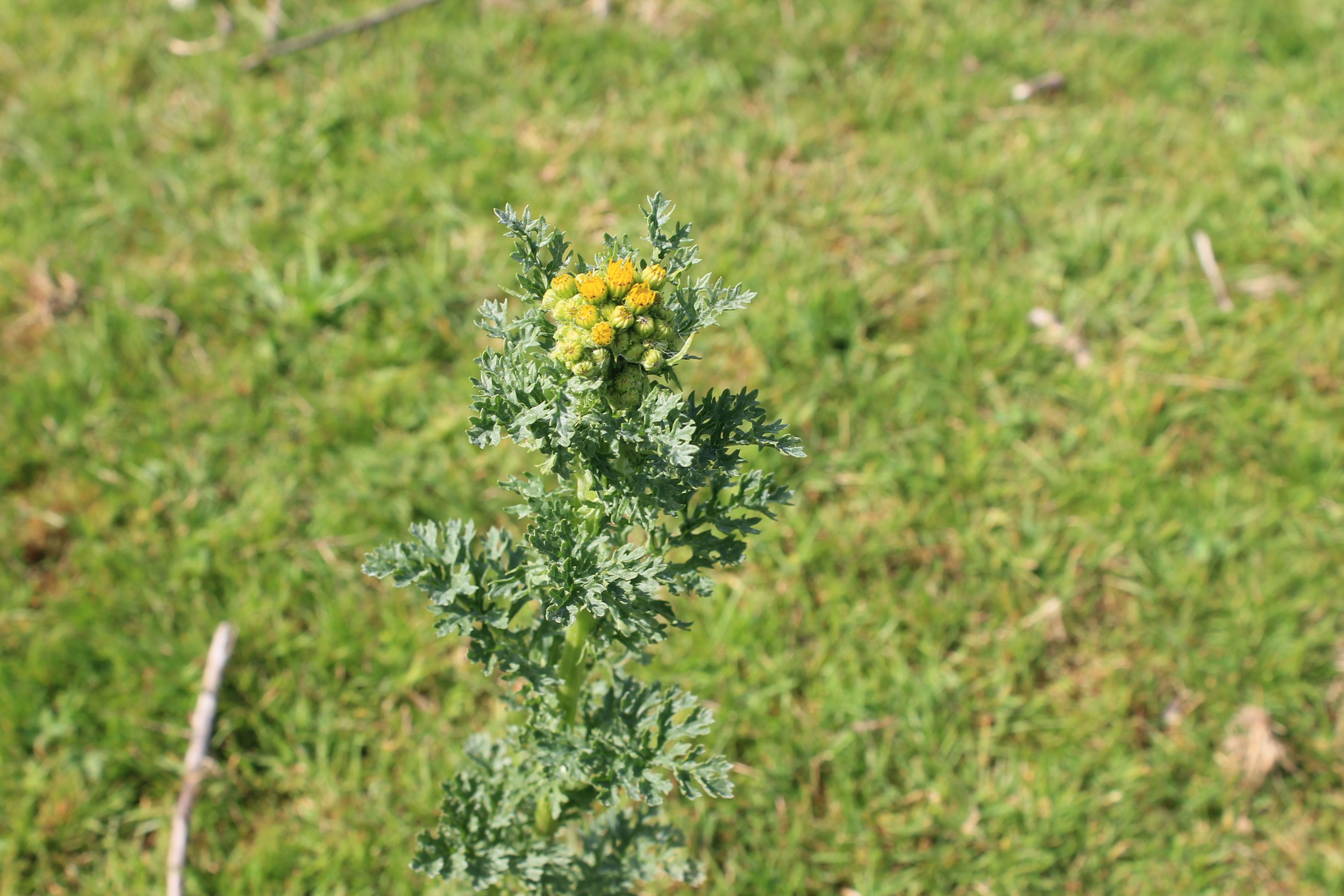
A humble looking plant but poisonous to livestock when eaten in large quantity.

A humble looking plant but poisonous to livestock when eaten in quantity.

I’ve recently begun the task of checking for and clearing any ragwort (Senecio jacobaea) from my hay meadow and the paddocks that my field-kept ponies will be using during the summer. This is one of those essential jobs in pasture management that I conduct, without fail, between June and October each year. For all its charm in having clusters of pretty yellow daisy-like flowers, ragwort is a weed poisonous to horses and cattle. When digested in quantity, the alkaloids contained in the plant are metabolised in the liver and inhibit the division of its cells. As a consequence the liver shrinks in size and is irreversibly damaged, often with fatal results. There is no effective treatment or antidote. So you can understand why, like me, people want to remove it. However, the highest risk of ragwort poisoning is caused by a lack of available grazing alternatives (so watch out for fat ponies in starvation paddocks) and the majority of poisoning cases have been caused by hay (or silage) harvested from fields containing ragwort being fed to horses and cattle.

Unpalatable reputation
The animals avoid it while it is growing, as it has a bitter or, more correctly, a sour taste, but it becomes more palatable to them once it matures and dies, so it must be removed before it begins to wilt. Even though it has died the ragwort poison remains potent. If I find any, I like to remove ragwort from my paddocks before it has even had a chance to seed! The plants are then burnt on a bonfire to dispose of them thoroughly. Placing uprooted ragwort on a muckheap or compost is the surest way of reanimating the weed and recontaminating pasture. Ragwort is normally a biennial plant, which means that it lives for two years, flowering in its second year. However, if the plant is not removed roots-and-all when clearing it from grazing land, what remains can then re-grow and behave like a perennial, living indefinitely. Other names for ragwort include Stinking Nanny/Ninny/Willy, staggerwort, cankerwort, stammerwort, and mare’s fart. So you can see that it doesn’t have a particularly good reputation!

Injurious weed
Ragwort is among five injurious weeds – common ragwort, spear thistle, creeping or field thistle, broad-leaved dock and curled dock – that are listed in the Weeds Act 1959, which requires landowners to ‘take such action as may be necessary to prevent the weeds from spreading’.[1] In 2003 the Ragwort Control Act was passed; followed in 2004 by the Department for Environment, Food and Rural Affairs (Defra) ‘Code of Practice on How to Prevent the Spread of Ragwort’.[2] Defra, however, is quick to point out that the aim is not to eradicate ragwort, but to control it where it threatens the health and welfare of animals and not allow it to spread to neighbouring pasture. Defra’s Code also illustrates other wild flowers, such as Tansy (Tanacetum vulgare), Common Fleabane (Pulicaria dysenterica) and Field Fleawort (Tephroseris integrifolia) that, because of their yellow flowers, could be easily mistaken for ragwort and seeks to avoid the removal of these non-target plant species that contribute to the rich biodiversity of our countryside.

Weed or wildflower?
Of course one person’s noxious weed is another person’s wildflower and the ragwort plant has some very prominent supporters. Organisations such as Plantlife, Buglife, and Wildlife and Countryside Link, to name a few, support data that indicates a significant number of invertebrate species eating ragwort leaves, living in the stems and flowers, or feeding on its pollen and nectar.[3] According to Plantlife ‘it is a plant upon which at least 30 insect species, many rare, entirely rely’.[4] These organisations also point to oft quoted but incorrect ‘facts’ about ragwort that continue to be repeated and widely believed. Of course a balanced view needs to be adopted, one that restricts the potential danger for the free-roaming livestock without completely eradicating the plant upon which so many insects depend. For my part, decades of prejudice will make me feel uncomfortable about ever welcoming ragwort onto my pasture but learning to dispel some of the myths regarding this controversial native plant has certainly encouraged me to not demonise it.

Meadow grass contains essential nutrients that, when dried in hay, will keep the ponies sustained over the winter.

Good pasture management is an effective method of reducing ragwort in paddocks.


SOURCES

[1] Weeds Act 1959 (16 July 1959), http://www.legislation.gov.uk/ukpga/Eliz2/7-8/54 [accessed 12 June 2016].

[2] Ragwort Control Act 2003 (20 November 2003), http://www.legislation.gov.uk/ukpga/2003/40/introduction [accessed 12 June 2016].; Defra, ‘Code of Practice on How to Prevent the Spread of Ragwort’ (2004/retained for reference purposes, updates on Defra website), https://www.gov.uk/government/uploads/system/uploads/attachment_data/file/525269/pb9840-cop-ragwort-rev.pdf [accessed 12 June 2016].

[3] Plantlife, ‘Position Statement On Ragwort Control In The UK’ (2011), http://www.plantlife.org.uk/uploads/documents/Ragwort_Position_statement_FINAL_PUBLIC_July07.pdf, [accessed 12 June 2016]; Buglife, ‘Ragwort: insect fauna in detail’, https://www.buglife.org.uk/sites/default/files/Ragwort%20-%20Insect%20Fauna%20in%20detail_1.pdf [accessed 12 June 2016]; Wildlife and Countryside Link, ‘Ragwort Control Position Statement’ (02 October 2003), http://www.wcl.org.uk/docs/2003/Link_ragwort_control_29Sep.pdf, [accessed 12 June 2016].

[4] Plantlife, ‘Lovely Rawort Under Fire Again’ (18 July 2011), http://www.plantlife.org.uk/about_us/news_press/lovely_ragwort_under_fire_again, [accessed 12 June 2016].

Posted in New Forest, New Forest flora & fauna | Tagged , , , , , , , , , , , , , , , , , , , , | Comments Off on Ragwort: friend or foe?

New Forest: timber stealers and plunderers

Commoners with the Right of Estover were permitted to

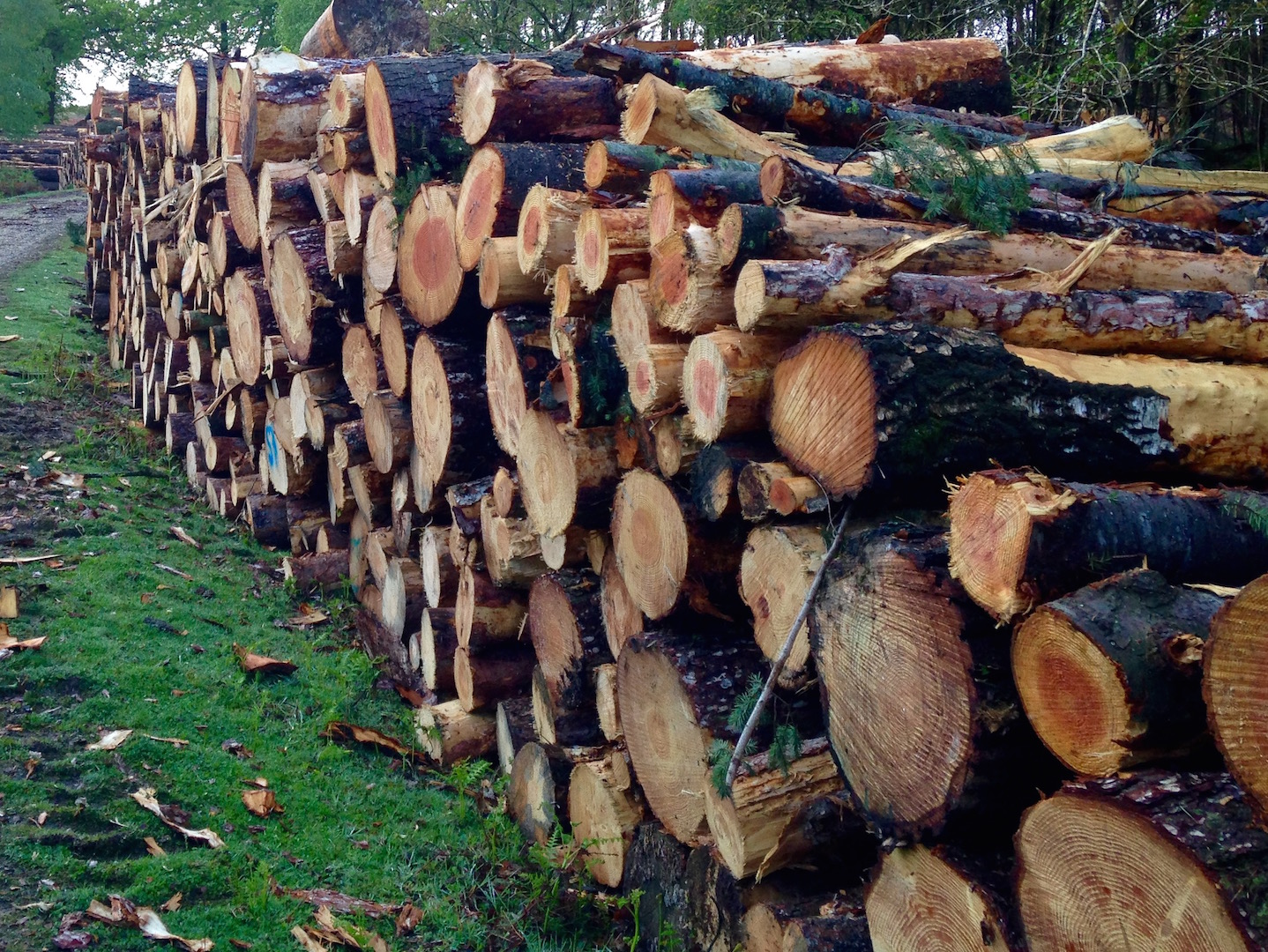
In times past the large scale theft of timber was rife in the New Forest.

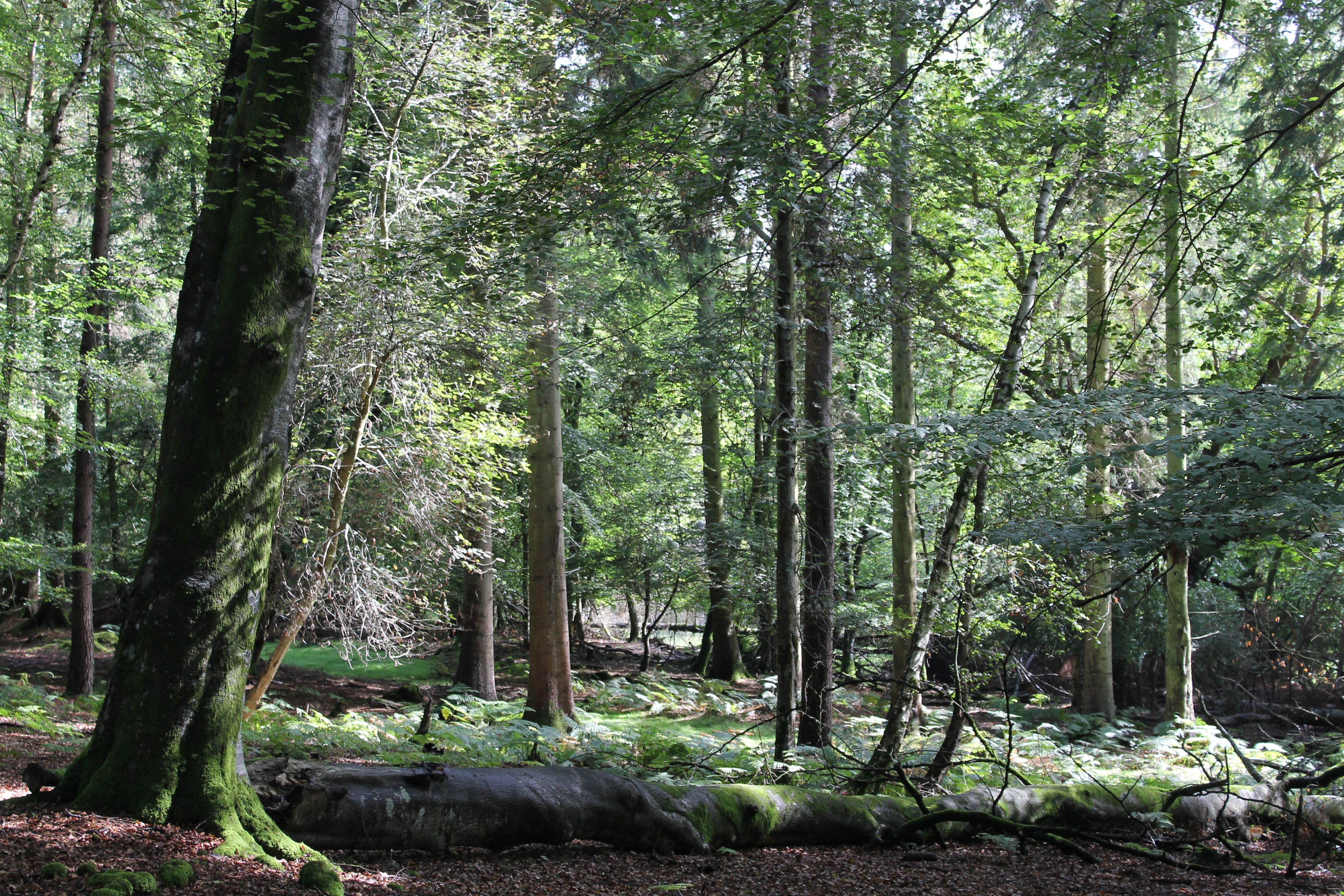
The New Forest is often described as a mosaic of habitats, which include heathland, valley mires and ancient pasture woodland. Within these varied environments grow all manner of plant life, from the tiny bog orchid (Hammarbya paludosa) up to the giant sequoia trees (Sequoiadendron giganteum). Visitors are often reminded not to pick or remove any of the Forest’s wild flowers – but to leave them for everyone to enjoy.[1] However, there was a time when the Forest’s natural resources were exploited shamefully and even its trees were removed wholesale by unscrupulous ‘forest plunderers’ who would profit from the timber they stole.[2] It was reported at the end of the eighteenth century that ‘the borderers of the Forest, some of the most abject and wretched people in the country, used to live by forest timber stealing; and such was their dexterity that several of them combined together could, during the night, fell an oak and carry it off undetected’.[3]

Confusion and corruption
By the middle of the nineteenth century the tree stealers had become more brazen and ‘persons with horses and wagons roam through the forest, cut down and carry off what timber they pleased’.[4] These thefts went unchallenged because the trees were felled and carried off in broad daylight with such boldness since ‘it was not imagined that any but authorised persons would do it’.[5] But confusion due to the illiteracy of the carriers was also cited as a cause of quantities of missing felled trees. Carters sent to collect loads from the forests or sales yards, being unable to read the names of their employers marked on the timber, ‘were in the habit of taking what timber they pleased and hurrying out of the forest with it as soon as possible.’[6] At other times timber reserved for the royal navy had the official stamp removed and private marks substituted. The lack of superintendence was seen as a contributory factor to the tree thefts even though the administration of the New Forest in the mid-1850’s consisted of a Lord Warden, a Deputy Warden, a Bow Bearer, two Rangers, a Woodward and Deputy Woodward, four Verderers, a High Steward, twelve Regarders, nine Foresters, fifteen Under Foresters, a Surveyor of the Navy, a Surveyor General, and three Deputies.

Sylvan deities and roaming policemen
In the nineteenth century the Forest was surrounded by timber merchants, and many of them (if not all) traded in stolen timber. The thieves would often store the stolen timber outside the plantations of the estates of the gentry to make it appear as if the timber had been harvested legitimately. ‘When any questions were asked Lady Poore’s estate of Cuffnells, and other estates, were impudently mentioned as places from which the timber had been purchased.’[7] It was reckoned from the amount of times the estate of Cuffnells had been mentioned in relation to the timber alleged to have been grown there, that Lady Poore was considered to have the best wooded estate in the world! But an investigation led by Lord Duncan, in 1849, began to close in on the thieves. One of the local timber merchants was committed to Winchester gaol when it was discovered that although he had sold 244 loads of timber he had not purchased any to sell. Clearly he had been receiving stolen timber. A newspaper reported that ‘pan and the sylvan deities have vanished from the forest, and policemen are now roaming over their beautiful retreats’.[8] It was hoped that ‘timely exposure and investigation’ would inhibit future thefts of Forest timber ‘if they are not altogether prevented’.[9]

In medieval times a forest meant an area preserved for royal hunting, and not a wooded area as it does today.

The New Forest is home to all manner of life forms large and small.

[1] Forestry Commission website: http://www.forestry.gov.uk/forestry/infd-6e3gbf (Update: 1st June 2016), [accessed 3 June 2016].

[2] ‘The Timber Stealers in the New Forest’, Hampshire Telegraph and Sussex Chronicle (Portsmouth, England), Saturday, August 19, 1848; Issue 2550.

[3] Ibid.

[4] Ibid.

[5] Ibid.

[6] Ibid.

[7] Ibid.

[8] Ibid.

[9] Ibid.

Posted in New Forest, New Forest flora & fauna | Tagged , , , , , , , , , , , , , , , , , , , , , , , , , | Comments Off on New Forest: timber stealers and plunderers

New Forest: self medication and creature comforts

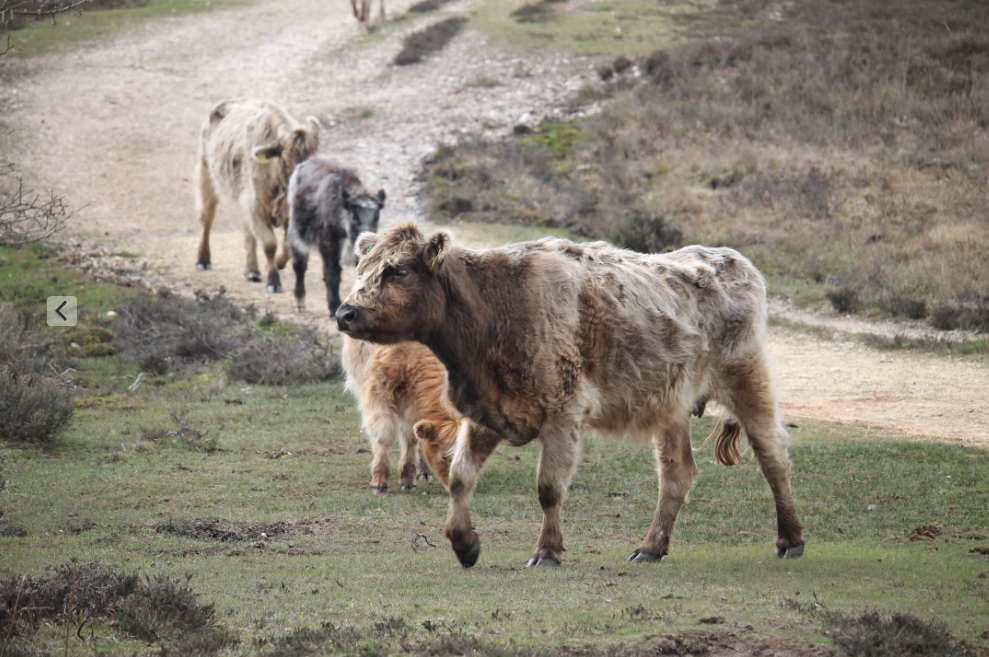
The free-roaming commonable livestock on the New Forest.

The free-roaming commonable livestock on the New Forest are checked regularly to ensure their welfare.

The free-roaming ponies, cows, donkeys and, during pannage, pigs on the New Forest are usually able to take care of themselves and do not require the constant attention required by their intensively farmed or field-kept counterparts. Even the process of giving birth, which is one of the most vulnerable times for any animal, can generally be left to nature’s devices, the success of which is exemplified by the numbers of healthy foals and calves to be seen on the Forest at present. This doesn’t mean to say that the animals are just left to get on with it – quite the opposite. The commoners, supported by the Agisters, check the animals regularly to ensure that the welfare of the commonable livestock is maintained to a high standard. There is also the added vigilance of over 13.5 million day visitors each year who are able to alert the authorities, such as the Verderer’s Office or the Forestry Commission, to anything that they think is amiss while out and about in the New Forest. However, any animal that is deemed to be in need of medical treatment or health care will be removed from the Forest by its owner until it is sufficiently recovered and well enough to be returned to its semi-feral lifestyle.

Self-medicating animals
Many commoners believe that the free-roaming animals are able to self-medicate, by seeking out varieties of Forest plant, herb or shrub, if they feel unwell. The animals have even been seen licking or eating soil and clay, which may contain ingredients that act as an antacid or antidiarrheal treatment. The commoners point to the way the ponies eat the burnt stalks of gorse, after it has been charred through controlled-burning of the heathland, as an example of how they use the black jacks to relieve themselves of internal parasites, such as tapeworms. Scientists have confirmed the commoner’s belief in animal self-medication by observing that ‘most natural landscapes are diverse mixes of plant species that are literally nutrition centres and pharmacies with vast arrays of primary (nutrient) and secondary (pharmaceutical) compounds vital in the nutrition and health of plants and herbivores’.[1] Even though the commonable livestock is free-roaming they are not wild animals. Many will experience periods of close human contact, such as when they are brought in off the Forest for the winter. These animals will know the benefit of food, shelter and possibly even a little mollycoddling. In some instances, if these animals become unwell and are unable to treat themselves they will return home to seek some creature comforts.

Snake bite
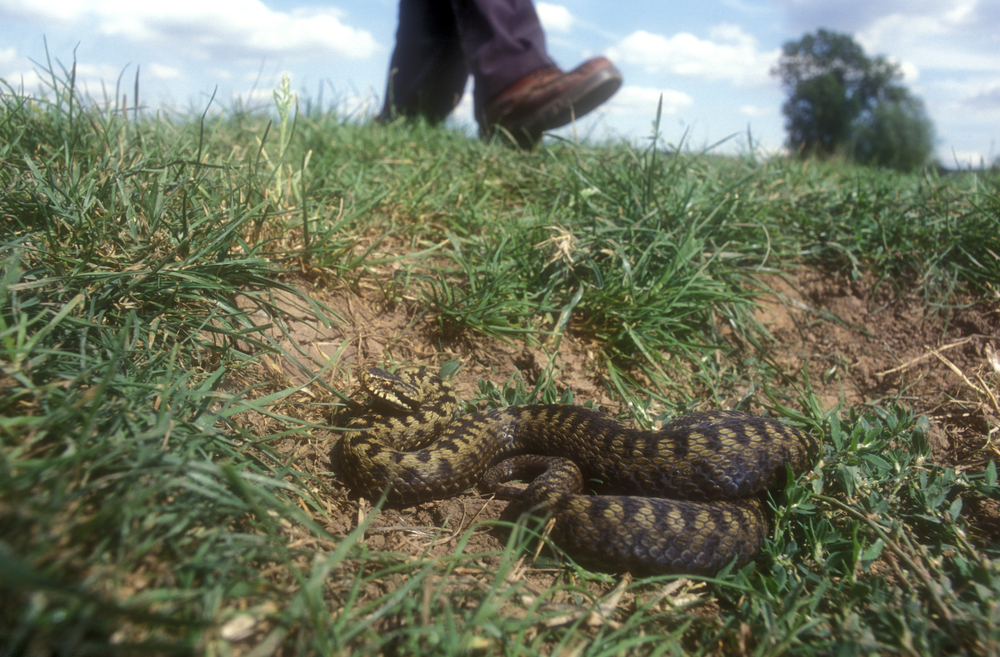
Such was the case recently with a commoning friend of mine who had to tend to a heifer suffering with a swollen foot and lameness. The young cow had had the sense to return home and, apparently, was bellowing outside the farm gate for attention and looking generally miserable and forlorn. The cow was duly ushered into the farmyard where an inspection could take place and any treatment could be applied. The cause of the swelling was deduced to be as a result of an adder bite. Small tell tale puncture marks were observed in the cow’s heel. Such an occurrence is not unusual in the New Forest. Adders will protect themselves if threaten by hooves, paws, snouts, feet or hands! Luckily their venom is not fatal and sometimes they will dry bite, as a warning, without injecting any venom, but in either case it can be very painful. In this little cow’s example after a few days of treatment, to ensure there was no lingering infection, and some stable rest her distress at being separated from her bovine friends became greater than the inconvenience of a sore foot. Much recovered and no longer lame she was duly returned to wander on the New Forest none the worse for her malady.

Adders are commonly found on the New Forest and are protected by law.

Adders are commonly found on the New Forest and are protected by law.

[1] J. J. Villalba and F. D. Provenza (2007). ‘Self-medication and homeostatic behaviour in herbivores: learning about the benefits of nature’s pharmacy’, Animal, Vol.1, Issue 9.

Posted in New Forest cattle, New Forest flora & fauna, New Forest pony | Tagged , , , , , , , , , , , , , , , , , , , , , , , | Comments Off on New Forest: self medication and creature comforts

New Forest: lost a pony and found a stallion

A stallion takes a drink - chasing mares is thirsty work!

A New Forest stallion takes a drink – chasing mares is thirsty work!

This week (May 2016) I found one of my mares that I hadn’t seen in a while. The Agister had seen her. Other commoners had seen her. Possibly many visitors –walkers, cyclists, horse riders, bird watchers etc. – had seen her. But she had eluded me for some considerable time. This particular bay pony had changed territories and switched to a herd that roamed on the other side of the valley. She had managed to get inside one of the Forestry inclosures and had been let back out onto the Open Forest, but on the farthest side from where she’d entered. This prevented her from returning home. I was regularly checking the area for her to try and locate which haunt she was in and discover what herd she was running with. Every group with a bay coloured pony would have to be inspected to see if it was she. This meant covering lots of ground, on foot, to check each herd or individual. Luckily she had enough distinguishing features that I could tell from a distance whether or not my search would finally be over. But up until now I had had no luck in tracking her down.

The ‘Lynx effect’
Recently I started out again to look for her. It was a beautiful sunny day, with a light breeze to cool the temperatures. At first there didn’t seem to be that many ponies about. I saw a small band grazing on the crest of a hill just beyond a stretch of valley mire and decided to check them out. The ponies moved away from me down the other side of the hill just out of sight and, once I’d made a big sweep around the wetland area, I followed them. As I crested the hill in search of the small band, the sight of at least 40 ponies greeted me. They were all happily grazing together. To have such a large group of ponies together in one place could only be due to one thing – the presence of a stallion. Sure enough a handsome dark bay stallion with an impossibly shiny coat stalked through the herd checking to see which of the mares were becoming receptive to his charms. He’d sniff them nostrils to nostrils or check them from behind and as he did there were lots of accompanying shrieks from him and the excited mares. As I stood at the top of the hill I could see mares from the surrounding area making their way to where the stallion was. His magnetic presence on the mares in the area can only be described as ‘the Lynx effect’. I had a good view from my position to survey the herd and among the assembly of eager mares I saw the unmistakeable outline of my own missing pony. At last I had found her! I wandered down to her and checked her over. She looked in good health and condition. The stallion was still swaggering amongst the mares and I couldn’t help but wonder if my mare would succumb to his amorous advances before his four week ‘tour-of-duty’ was over. He certainly would make a fine sire for any future foals. If she did become in-foal to him I would most certainly have to keep a closer eye on her and might even consider bringing her back home. But for now, she looked happy, healthy and content to stay where she was.

When the stallions are at large on the New Forest the wild pony herds exhibit much excitement.

When the stallions are at large on the New Forest the wild pony herds exhibit much excitement.

Posted in New Forest, New Forest pony | Tagged , , , , , , , , | Comments Off on New Forest: lost a pony and found a stallion

New Forest: stallion-silly-season

The bluebells that carpet the woodlands are a popular sight with visitors to the New Forest.

The bluebells that carpet the woodlands are a popular sight with visitors to the New Forest.

I was pleased to see that British astronaut, Major Tim Peake, had posted images of the south coast from the International Space Station, circling 404km (251miles) above the Earth. It clearly showed the area of the New Forest and the great swathes of the undeveloped landscape that make up its diverse and precious habitats. For those of us with a more terrestrial view the New Forest is springing to life at the moment. The colours of lush greens, from the grasses and emerging foliage of the trees, mix with the cool blues of the bluebells in the woods. The bluebells that carpet the woodlands signal the time that fox cubs emerge from their dens to explore above ground. These beautiful spring flowers are a popular sight with visitors to the New Forest too. The plentiful sunshine of late is beginning to warm up the soil and more insects are taking to the air. This is good news for the birds that are rearing and feeding their young.

Foal antics are stress-busting
There are currently plenty of foals to be seen on the heathland and in the woods, which make this time of year one of the highpoints in the Forest’s calendar. As new-borns they stay close to their mothers and rely on her presence to give them confidence. Their awkward, leggy movements and close shadowing of their dam is quickly replaced by a gambling, playful action as they begin to make friends and investigate the features within their territories. Watching foals at play has got to be one of the best stress-busters around, particularly if it takes place on a sunny day. The foals seem to exhibit a sense of fun and carefree exuberance that lifts one’s spirits. When they play together the results are often comical. They seem to like galloping as fast as they can around the other herd members, who are usually quietly grazing whilst keeping an eye on their antics. It’s all practice of course, as they need to master the limbs that will carry them away from danger should the need arise. They also practice rearing, bucking, stopping and kicking out, which are also in the survival kit of the free-roaming, ‘wild’ pony.

Stallion-silly-season
With the appearance of foals comes the official breeding season. The mares that have given birth will now be ready to receive the stallion again. On the New Forest this process is very carefully managed. Only approved stallions are permitted to roam on the New Forest and this year 15 are to be released to run with the mares. Each licensed stallion will be freed to run with the mares in a specific area of the Forest from 9th May until 6th June. All stallions must be off the Forest by 13th June. In that time nature will take its course and the next crop of foals will be conceived ready for next year. Of course while the stallions are at large the atmosphere on the Forest becomes electric, as the mares realise there’s a stallion about – it becomes the stallion-silly-season. Visitors and commuters using the Forest roads need to be doubly aware for ponies crossing the roads during this time. When the stallions are at large the ponies only have one thing on their minds!

When the stallions are at large on the New Forest the wild pony herds exhibit much excitement.

When the stallions are at large on the New Forest the wild pony herds exhibit much excitement.

New Forest: Stallion Areas 2016

Posted in New Forest, New Forest pony | Tagged , , , , , , , | Comments Off on New Forest: stallion-silly-season

New Forest: Stallion Areas 2016

The foals born on the New Forest follow an ancient lineage.

The foals born on the New Forest follow an ancient lineage.

Each year stallions are released onto the Open Forest to run with the free-roaming mares to sire the next generation of New Forest pony. The stallions are carefully selected by the Verderer’s of the New Forest, the Commoners’ Defence Assocation and the New Forest Pony Breeding & Cattle Society. Only approved stallions are permitted to breed and will run with the mares for only four weeks. Stallions are released on Monday 9th May and must be removed from the Forest by Monday 13th June.

Stallion Areas 2016

Sandhole Whispering Grass – Penn Common

Lucky Lane Rollo – Durhill

Kvavesash Gold Fever – Withybeds

Limekiln Brigadier – Ipley Field

Applewitch Diversity – Hale Purlieu

Portmore Thundercloud – Wilverley

Cadland Masterplan – Matley

Sturtmoor Top Hat – Sloden

Walhampton Scholars Farewell – Moonhills

Haywards Impressionist – Backley

Sway Scrumpy Jack – Busketts

Skywalker – Ogdens

Brookshill Brumby – East Boldre

Lucky Lane Pegasus – Mill Lawn

Mallards Wood Spot On – Bank

Stallions must run out from Monday 9th May until Monday 6th June 2016.
Stallions must be off the Forest by Monday 13th June 2016.

Posted in New Forest, New Forest pony | Tagged , , , , , , , | Comments Off on New Forest: Stallion Areas 2016

New Forest: dog-days and mad dogs

Diseases, such as rabies, were a constant concern for farmers and commoners.

Diseases, such as rabies, were a constant concern for farmers and commoners of free roaming stock.

In July 1826 it was reported in the newspapers that a six-year old child had died of hydrophobia, the dread disease otherwise known as rabies. The child and his mother were walking alone in the New Forest when a rabid dog attacked them, biting the boy’s face. The dog was chased into Fordingbridge that same day, where it was duly killed. Sadly, the little boy developed the disease and died within a month of the attack. Rabies, once widespread in Britain, is a viral disease that affects domestic and wild animals, and is usually spread through the bites and scratches of infected people and animals. Symptoms include hyperactivity, excited behaviour, increased production of saliva and the tell tale hydrophobia (fear of water). In times past the threat of rabies was often met with panic because people didn’t really understand its causes. As a result there were no effective public health policies to target the disease and with many dogs let free to roam in villages, towns and cities it was impossible to contain and so the spread of rabies continued unchecked.

Dog-days and mad dogs
In a series of letters, printed in the Southampton Herald during 1837, Southampton veterinary surgeon W. C. Spooner recommended public health strategies to prevent the disease, such as controlling the number of stray or loose dogs. He advised against killing dogs on account of them having fits, as this occurrence was not always caused by rabies, and recommended keeping alive dogs suspected of the disease to see if they actually developed the symptoms. Keeping a suspected ‘mad dog’ until it either developed rabies or did not, he believed, would greatly assist the victims of its bite in knowing if they were in danger of later contracting the disease. Spooner argued that rabies was not caused by hot weather during the ‘dog-days’ (hottest days of the year), which was a widely held belief because rabies seemed so prevalent in the Mediterranean and desert countries. Any animal bite he recommended to be cauterised, excised or treated with silver nitrate, rather than using some of the remedies that had come to his attention, such as bathing in the sea at Southampton and dog owners cutting a tendon on the underside of a young dog’s tongue as a form of disease prevention. (Interestingly, the World Health Organisation recommend washing the bites and scratches, caused by infected animals, thoroughly for a minimum of 15 minutes with soap and water as a first response treatment for rabies.)

The Dogs Act 1871
In 1877 a rabid dog attacked children in a school in Shirley, which resulted in the death of a nine-year-old girl. The doctor giving evidence at the coroner’s court remarked on the high numbers of cases he had attended in the area where people had been bitten by dogs. The coroner at the girl’s inquest called for the local authorities to address the issue of the great number of dogs roaming at large in the town. Prompted by the attack and the subsequent death of the little girl, Spooner wrote to the newspapers again, under the pseudonym ‘Prophylactic’. It would seem that his previous advice had gone unheeded and he had actually been ridiculed for his beliefs in the prevention and treatment of rabies. By this stage in his life he was an eminent veterinarian and author of many books about animal husbandry, breeding horses and the agricultural capabilities of the New Forest. He repeated the information he had provided 35-years earlier and begged that people take notice. Nevertheless, the tide of public (and scientific) opinion was turning in his favour. Whilst no one in and around the area seemed aware that in 1871 The Dogs Act had been passed, local authorities had been given power, under Section 3 of the Act, to seize, sell or destroy stray or loose dogs. At last the scourge of rabies was beginning to be addressed nationally. The discovery by Louis Pasteur of a rabies vaccination in l885 and a series of Government-led public health initiatives finally enabled Britain to declare itself rabies-free in 1902.

The New Forest is a landscape of irreplacable habitats that supports a diversity of wildlife.

Britain was first declared rabies-free in 1902.

Posted in New Forest | Tagged , , , , , , , , , , , , , | Comments Off on New Forest: dog-days and mad dogs

New Forest: lapwings reward the early riser

The lapwing is a regular visitor to the New Forest.

The lapwing relies on the wet heathland habitats found on the New Forest.

I’m really enjoying my walks on the New Forest at the moment. I start very early in the morning, when there are few people about, and often arrive just in time to see the sun appearing over the horizon. As the mist rises from the valleys the sound of the dawn chorus permeates the chill, damp air. This melodic spring repertoire is a pleasant start to the day and a gentle way to waken my senses. As I walk the tracks and footpaths I listen out for the lapwing (Vanellus vanellus). It’s a sound that reminds me of my childhood and brings back many happy memories associated with the countryside. I love to hear the plaintive “peewit” cry of its flight-song as it drifts across the misty skies and I watch as the bird circles its nesting grounds in the eerie half-light of dawn. The lapwing is easily recognisable due to its upsweeping black crest and petrol-coloured plumage. It has many vernacular names, including chewit, dotterel, green plover, peasiewheep, teewhup, ticks nicket, toppyup, and tuefit, which is testimony to its long association with the countryside throughout the British Isles. The wetland sites of the New Forest, such as the mires, bogs and wet heathland, are critically important in providing valuable habit for lapwing populations. The intensive grazing of the ponies and other land management techniques, such as controlled burning, help to maintain the habitat on which these birds depend.

Lapwing superstitions and stories
Its name – lapwing – is supposed to derive from the sound its large wings make when in flight, or from its strategy of drawing predators away from its nest by trailing its wing as if it were broken. It was this form of defence that, according to superstition, makes the lapwing an unlucky bird for those that hear it. In southern Scotland covenanters hiding from the forces of Charles II were given away by the cries of the lapwings defending their nests. The lapwing is, therefore, given credit for being the watchdog for other wading bird species. In some communities the lapwing’s cry of “peewit” is heard as “bewitched”, making people believe that it is associated with witchcraft and sorcery and in others it was believed that lapwings contained the spirits of people ‘who still haunt the earth, in consequence of something that troubles them.’ Catherine Earnshaw, the heroine in Wuthering Heights, is concerned at one point that Heathcliff has killed lapwings and stuffed their feathers in her pillow and begins ‘removing its contents in handfuls’.

Our feathered friends
Not all the stories about lapwings are ominous, though, and there are historical accounts of these birds being successfully kept as pets in Victorian times. In one report a young lady, who also had a terrier dog, kept a lapwing. The bird and the dog, by all accounts, were on the best of terms. The lapwing liked to occupy the kitchen garden and whenever the dog passed that way ‘he was sure to be joined by his feathered friend’. This friendship continued happily for some time until, unfortunately, the bird ‘fell a cruel sacrifice to some half-starved cat’. The biggest threat to lapwing populations in the New Forest is us -disturbance from human recreational activities, particularly dog walking. Our adored pets become voracious hunters when let off the leash. So we need to be aware of our impact on the breeding populations of ground nesting birds and support our feathered friends, from March to July, by staying on the footpaths and keeping dogs in sight and under control. This small concession will ensure that future visitors will be able to enjoy the sight and sound of this distinctive bird and the many others that share the New Forest.

The New Forest swathed in dawn mist is a sight that rewards the early risers.

The New Forest swathed in dawn mist is a sight that rewards the early riser.

Posted in New Forest, New Forest flora & fauna | Tagged , , , , , , , , , , , , , | Comments Off on New Forest: lapwings reward the early riser

New Forest: jingling matches and donkey races

Blindman's buff was a popular game that had many variations.

Blindman’s buff was a popular game that had many variations, including the Jingling Match.

The New Forest has always enjoyed a close association with the monarchy. During the eighteenth century it was a favourite destination for George III, who would often stay with his family before moving on to the seaside town of Weymouth. As a result of this royal patronage news of the comings-and-goings of the Forest folk was very popular. In August 1793 a most peculiar sports day was reported in the London newspapers. The venue for this event was more than likely the Lyndhurst Racecourse, where ‘rustic Swains of the New Forest’ were amused by racing and other diversions. One of the sports on offer was a Jingling Match, which according to the report was a very entertaining ‘improvement on Blindman’s Buff’, which was a popular game in the eighteenth century. An area, measuring about 20 yards (18 metres approximately) in circumference, was roped off to make an enclosure into which a man ‘with a number of Bells fastened on him’ had to elude a group of players who were blindfolded. The blindfolded players had to follow the sound of the bells and if they were able to capture the jingler within the time allowed, which was believed to be a quarter of an hour, they won prize money, but if not he kept the cash. There was, apparently, much amusement from all the jostling and frequent falls of the blindfolded men.

The day’s amusements
There were also a series of donkey races held, ridden by women, which resulted in two dead-heats. Women in the late eighteenth century would have been generally very petite, so making excellent jockeys for donkey raceing. Apparently the races afforded much sport, as anyone who has ever witnessed a donkey race can testify. For the men, there were pig catching contests where the winner was the man who could hold the pig by its tail. There is no mention of prizes or, indeed, if the pig was greased, which has often been done to make the task of catching the pig more difficult. The object of the day seems to have been to entertain the crowds, and by all accounts it was a large turn out. ‘There were near one hundred carriages on the Course’ observed the reporter. The day’s amusements were finished off with an elegant dinner at the Crown Inn, Lyndhurst, to which the Lord Warden of the New Forest presented a brace of bucks, and another gentleman gave a turtle, ‘the former was of the finest flavour, and the latter most admirably dressed.’ Many ‘fashionable families’ attended from the local area, as well as ‘visitors from Southampton’. The Crown Inn referred to in the article is probably the current Crown Manor House Hotel, which is located in Lyndhurst’s High Street. The Lyndhurst Racecourse, though, ceased functioning in the late nineteenth century but its grounds were used briefly for the New Forest pony sales and then as part of the course of the Lyndhurst Golf Club, which still exists today.

The courting behaviour of the free roaming donkeys cause the vicar of East Boldre to complain to the Verderers.

The Lyndhurst sports day of 1793 included donkey races, with women as jockeys.

Posted in New Forest, New Forest customs | Tagged , , , , , , , , , , , , , , , , , | Comments Off on New Forest: jingling matches and donkey races