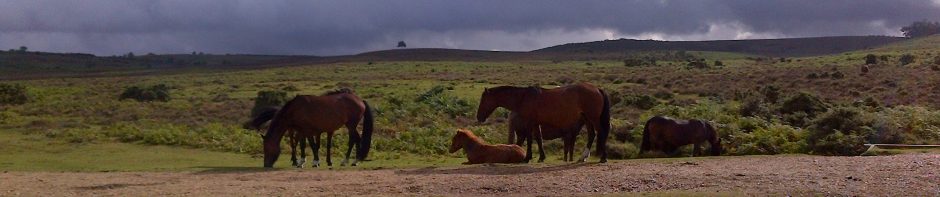
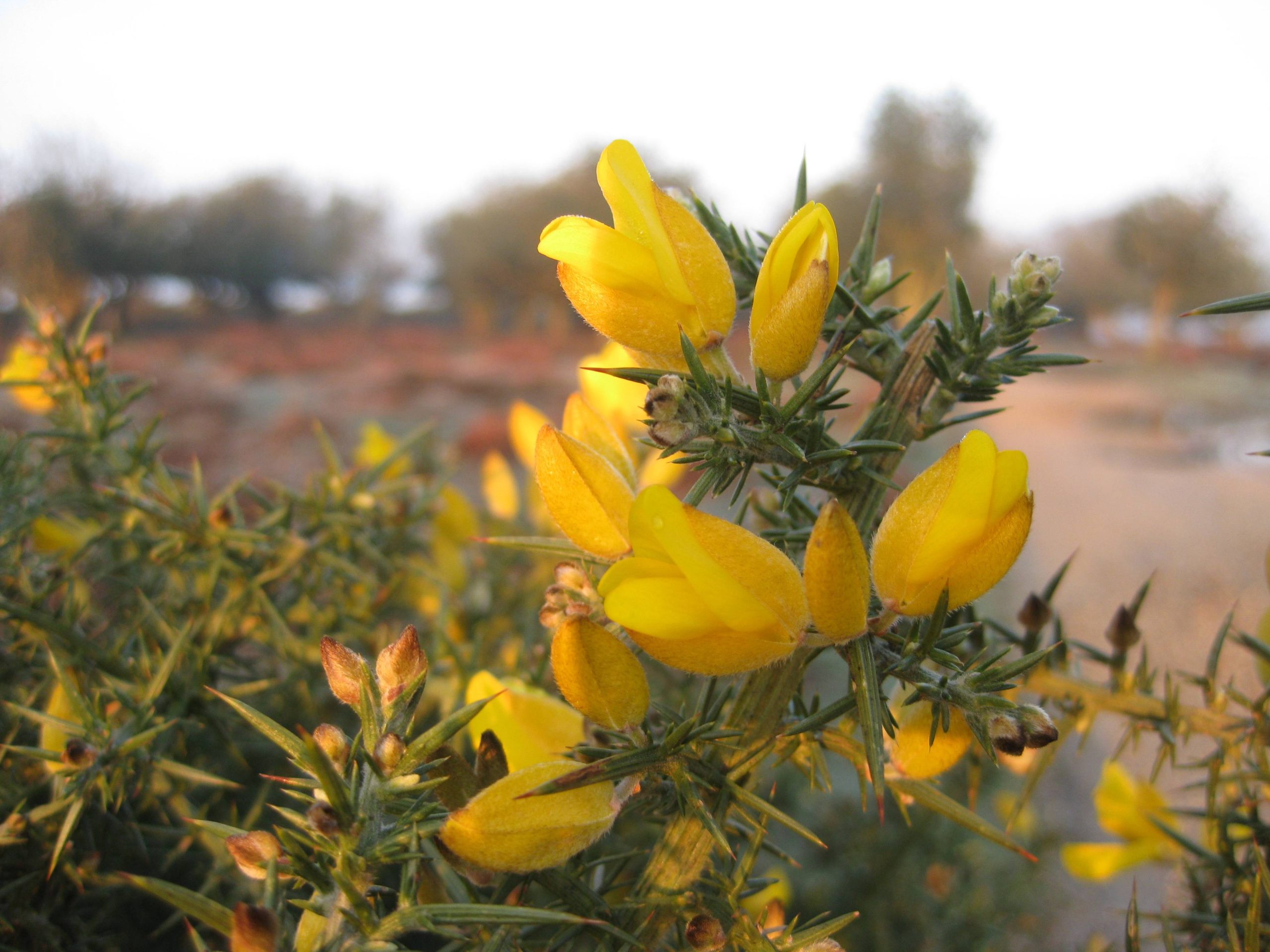
The New Forest is world renowned for its rich biodiversity and distinctive habitats. Among its most iconic plant species is one that has played a significant ecological and cultural role in the region for centuries – the gorse (known locally as a fuzz bush or furze). Ulex europaeus (common gorse) and Ulex minor (dwarf gorse) thrive in the New Forest’s heathland environment, where the plants are well adapted to the area’s nutrient-poor, acidic soils and open, sunlit conditions. This is the plant that fills the air in spring with the heady perfume of coconut!
Historical records
Historical records and pollen analyses suggest that gorse has been present in the region since prehistoric times, becoming particularly widespread as human activity shaped the landscape through grazing, burning, and woodland clearance. During the medieval period, the New Forest was carefully managed under forest law, but commoners retained certain rights, including grazing livestock. This grazing helped maintain open heathlands by preventing the encroachment of trees, indirectly encouraging the spread of gorse. Its dense, thorny growth provided shelter for animals and birds, while its bright yellow flowers, which can bloom nearly year-round, became a familiar feature of the forest’s scenery.
Gorse also held practical value for local communities. It was traditionally used as a source of fuel; when dried, it burns hot and fast, making it useful for baking bread in bread ovens. Farmers and commoners sometimes crushed gorse to create fodder for livestock, particularly in winter months when other food sources were scarce. The plant’s resilience and abundance made it a reliable, if somewhat labour-intensive, resource. In the dockyards close to the Forest, shipwrights valued gorse primarily as a readily available fuel: its dry, resinous stems burned hot and fast, ideal for heating pitch, bending timbers, and firing small forges. In some yards, it was laid beneath hulls during careening to cushion and stabilise vessels. Though not a structural material, gorse’s abundance, quick ignition, and intense heat made it a useful, everyday resource in traditional maritime industry.
Ecological role
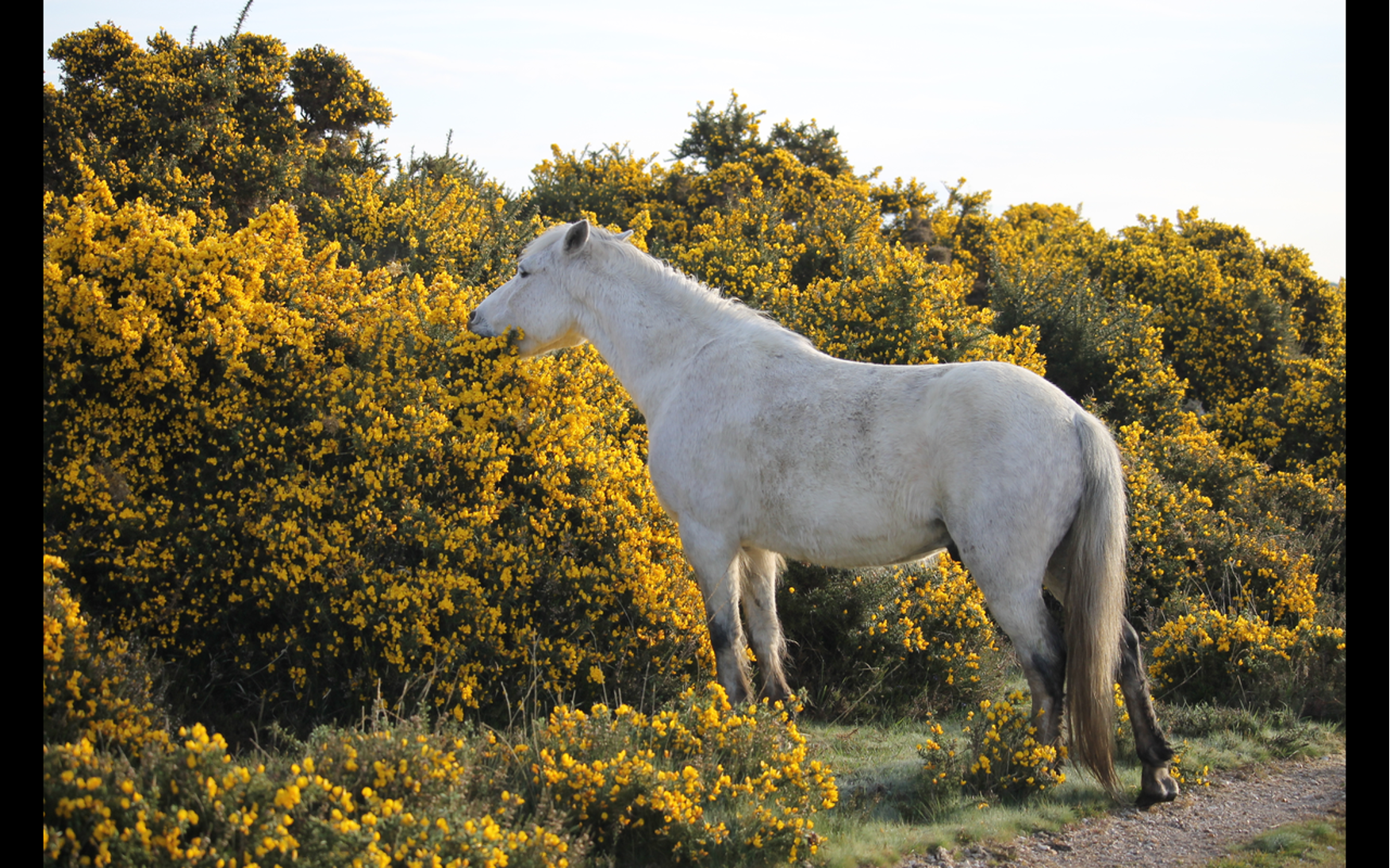
Ecologically, gorse plays a crucial role in the New Forest. As a member of the legume family (think peas or beans), it fixes nitrogen in the soil, improving fertility in otherwise poor conditions. This allows other plant species to establish and contributes to the overall diversity of heathland ecosystems. Gorse thickets provide important habitats for a variety of wildlife, including birds such as Dartford warblers and stonechats, as well as numerous insects that depend on the plant for food and shelter. New Forest ponies are famously well adapted to a tough, heathland diet that includes gorse and regularly browse on the bushes despite their dense covering of sharp spines. This might seem surprising, but the ponies have evolved both behavioural and physical adaptations that allow them to feed on such a prickly plant.
Food for ponies
Ponies typically eat the younger, softer shoots of gorse, which are less woody and slightly more palatable. Using their flexible lips and toughened mouths, they carefully select parts of the plant while avoiding the harshest thorns. Sometimes you will even see the ponies crushing stems with their hooves to make them easier to eat.nGorse is not the ponies’ preferred food; grasses and other low-growing plants are easier to digest. However, in winter or during dry periods when other forage is scarce, gorse becomes an important supplementary food source. It provides some nutrients and roughage, helping the ponies survive in an environment where food availability can fluctuate.
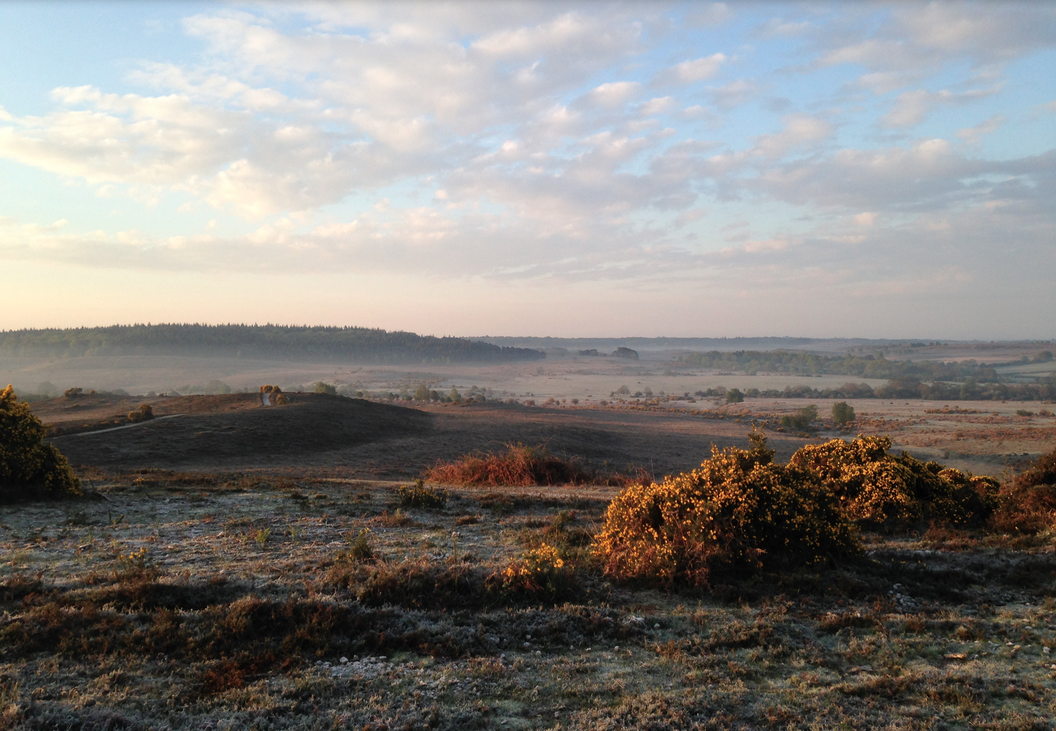
This relationship benefits both the ponies and the landscape. By feeding on gorse, the ponies contribute to the management of heathland habitats, supporting biodiversity and preserving the distinctive character of the New Forest. Thus, the history of gorse in the New Forest is closely intertwined with both human and animal activity, as well as natural processes. From its ancient roots to its role in contemporary conservation, gorse remains a defining feature of this unique and enduring landscape.
RECOMMENDED READING:
- The Nature of the New Forest: Celebrating the Wildlife of a Working Common by Clive Chatters (2025): Explores the botanical richness, plants, animals, and habitats of the National Park, highlighting the influence of free-ranging livestock on the ecosystem.
- The New Forest (Collins New Naturalist Series No. 73) by Colin R. Tubbs: A classic, comprehensive study of the flora, fauna, and ecological evolution of the area, reflecting decades of research.
- Biodiversity in the New Forest edited by Adrian C. Newton: A scientific compilation covering various biological aspects, including a specific focus on the biodiversity of the area’s streams.
- Grazing in Temperate Ecosystems: Large Herbivores and the Ecology of the New Forest by R.J. Putman: Examines the profound influence of large herbivores (deer, ponies, cattle) on the forest’s ecological structure.
- Wanderers in the New Forest by Juliette de Bairacli Levy: A 1950s memoir documenting a naturalist’s intimate, wild life in the forest, foraging for herbs and fungi


You must be logged in to post a comment.