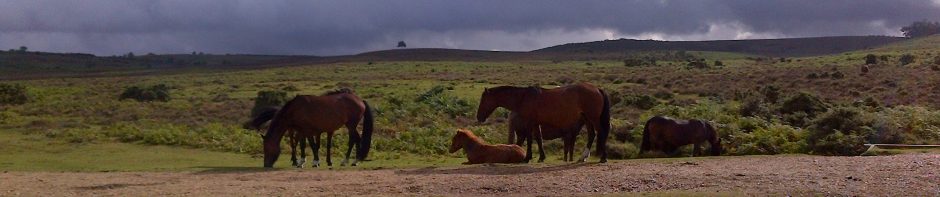
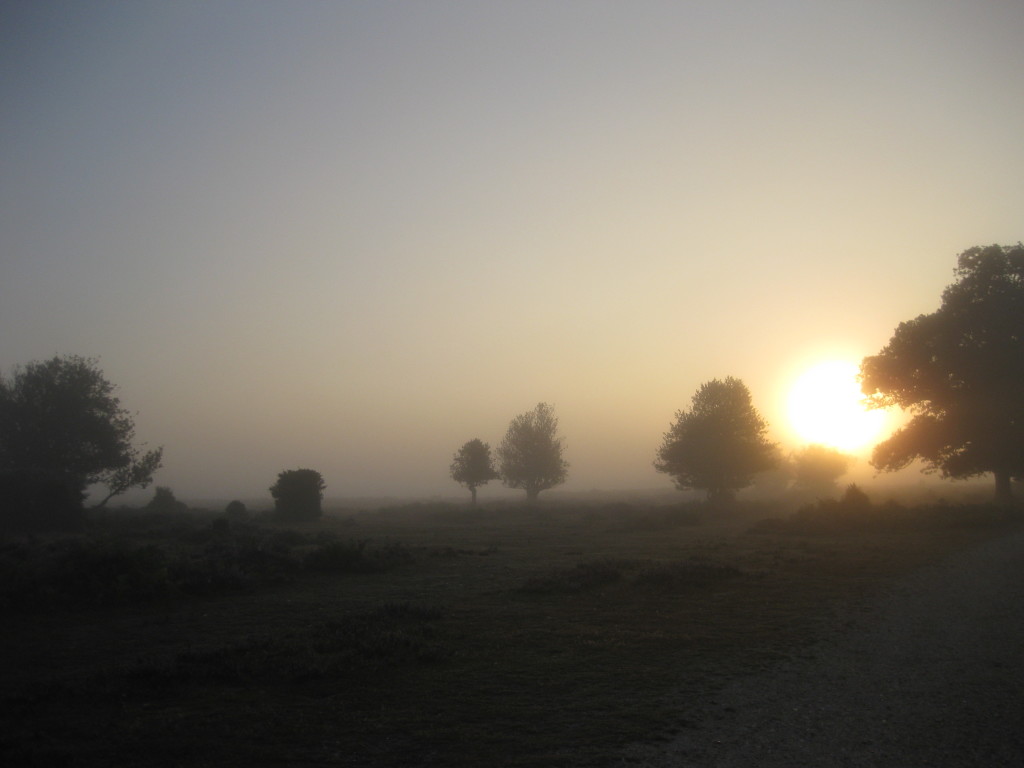
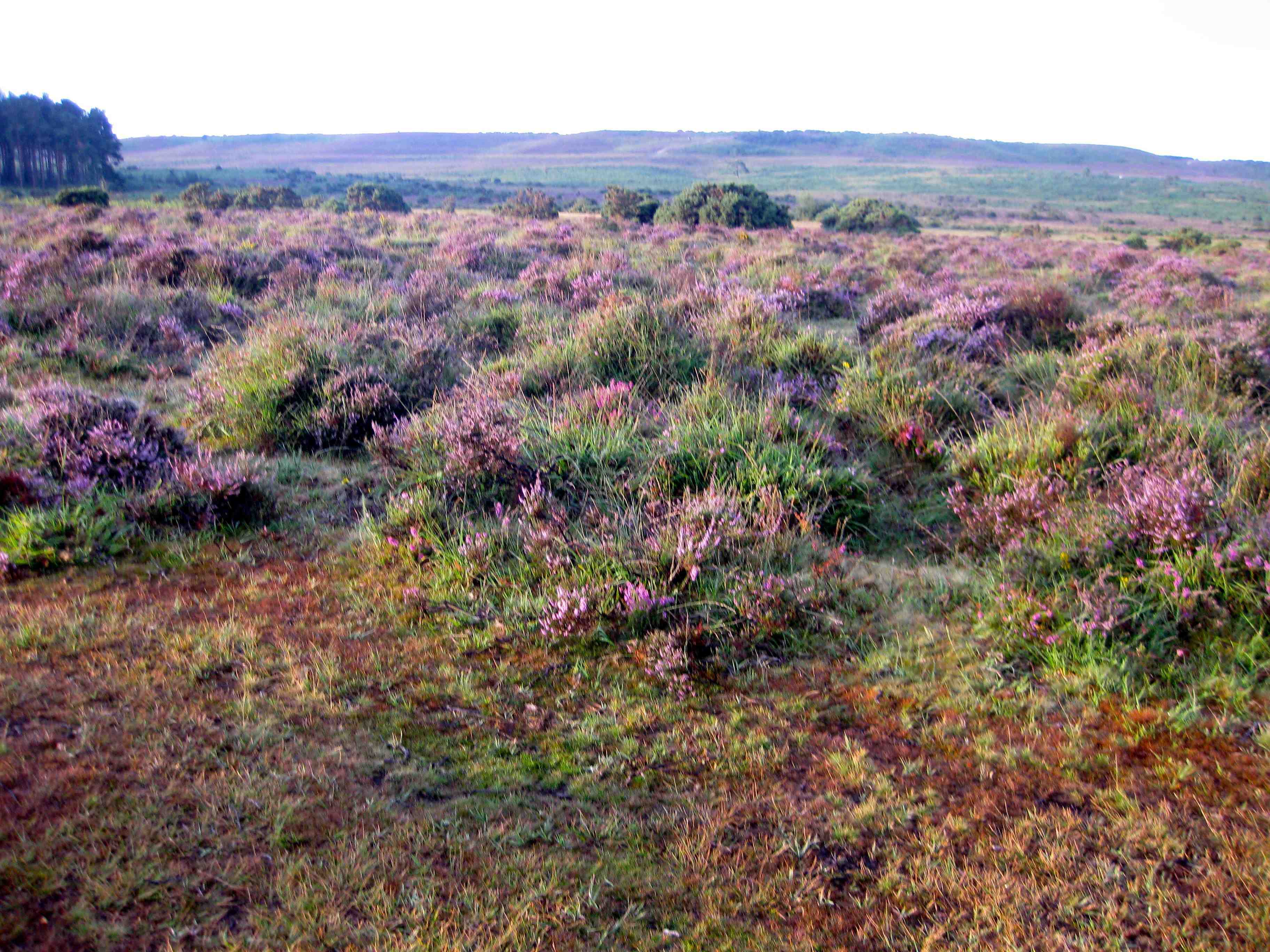
The New Forest is one of the most distinctive and important landscapes in southern England. Covering around 289 square kilometres across the county of Hampshire, it contains ancient woodland, open heathland, grassland, wetlands and ponds. Despite its name, the New Forest is much, much more than just a collection of trees. It is a complex landscape shaped by centuries of human activity, grazing animals and natural processes.[i] Sadly, wildfires have become an increasing threat, particularly during periods of hot and dry weather. These fires can have significant and sometimes long-lasting effects on the New Forest landscape.
Forest fires are NOT to be confused with ‘controlled burning’. Controlled conservation burning, also known as ‘prescribed burning’, is used in the New Forest to help manage and protect its unique heathland and wildlife. Carefully planned burning is carried out by trained conservation teams during suitable weather conditions, from the beginning of November through to March, to remove old, overgrown vegetation and encourage new plants to grow. This helps maintain a variety of habitats, supporting species that depend on open heathland.[ii]
Unless it is severe and burns for a long duration, fire does not necessarily destroy the New Forest permanently. Many of the plants found in the area have adapted to occasional burning and other forms of disturbance. Some heathland plants can recover from fire because their roots or seeds survive beneath the soil. After a fire, new vegetation may gradually appear, creating a patchwork of burnt and recovering areas. This process can contribute to the natural variation of the landscape. The problem arises when fires become too frequent or occur at the wrong time of year, preventing vegetation from fully recovering.[iii]
In a wildfire, one of the most immediate impacts is the destruction of vegetation. Flames can rapidly spread across dry heathland and grassland, burning vegetation, shrubs, young trees and other plants. The severity of the damage depends on the temperature, wind speed, duration of the fire and the type of vegetation involved. Areas of dense vegetation may be badly scorched, leaving behind blackened ground and dead plants. In particularly intense fires, trees can also be damaged or killed, changing the appearance and structure of the landscape.
Wildfires can also have serious consequences for the New Forest fauna, as it is home to a wide variety of birds, mammals, reptiles, amphibians and insects, including many rare or endangered species. A fire can destroy habitats, nests, and food sources, forcing animals to move elsewhere. Slow-moving animals and species that live close to the ground may be particularly vulnerable. The loss of vegetation can also expose animals to predators and reduce the availability of shelter for many species.
Another important impact is the effect of fire on soil and water. Intense fires can remove vegetation that would normally protect the soil from erosion. Rainfall following a fire may wash ash and loose soil into streams, ponds and wetlands, potentially affecting water quality. High temperatures can also damage organisms living within the soil. Although soils can recover over time, repeated fires may make this recovery more difficult and reduce the health of the ecosystem.[iv]
Fences and other barriers may also be damaged by severe fires. This may have an impact on commoning livestock, with ponies, cattle, donkeys, and pigs straying onto roads and major routes in an around the National Park. The livestock could be displaced from their habitual territories and may become dispersed into different areas. Many commoners’ dwellings are situated inside the National Park and, alongside other resident communities, wildfires pose a significant risk to life and property.
Smoke can temporarily reduce air quality and increase pollution.[v] (This is why bystanders should be discouraged from attending to view areas being affected by wildfires. If the wind changes direction suddenly even people standing relatively long distances away can be affected or overcome by smoke inhalation. Climate change further increases the risk of these impacts in the future. Hotter temperatures, longer periods of dry weather and drought will make vegetation more flammable and the incidents of wildfires more routine.
According to a recent report from Natural England ‘virtually all wildfires in this country are caused by human activity’.[vi] Without doubt the New Forest National Park is a popular tourist destination, and the local economy depends upon the ‘tourist pound’. Careless use, however, of barbecues, campfires, and cigarettes, for example, can ignite dry vegetation. The more visitors to the New Forest, the bigger the risk of wildfires.
Managing the risk of wildfire therefore requires a combination of prevention, monitoring and careful land management. Authorities and conservation organisations can educate visitors about fire safety, restrict activities such as open cooking (retail outlets can also play their part and ban disposable barbeques) during periods of high fire risk and maintain systems for detecting and responding to fires quickly.[vii] Controlled burning during the winter may also be used carefully in some areas to manage vegetation.
Overall, wildfires have a complex impact on the New Forest landscape. Fire can be a natural part of heathland ecology and can sometimes encourage habitat diversity, but large or frequent fires can destroy vegetation, damage wildlife habitats, harm soils and water, threaten human and animal lives, and change the character of the landscape. As climate change increases the likelihood of hot and dry conditions, protecting the New Forest will depend increasingly on responsible visitor behaviour, effective fire management and careful conservation. The future of this unique landscape will require a balance between allowing natural processes to occur and preventing destructive fires from causing irreversible damage. The landscape, flora and fauna, human heritage and history, and the special qualities of the New Forest must not be allowed to go up in smoke.
[i] Clive Chatters, The Nature of the New Forest: Celebrating the Wildlife of a Working Common NatureBureau / Pisces Publications, 2024.
[ii] Wildlife of the New Forest National Park: 2 Ecology and Management: https://www.newforestnpa.gov.uk/wp-content/uploads/2018/03/wildlife2_ecology.pdf
[iii] Julian Evans, The Forests Handbook, Volume 2: Applying Forest Science for Sustainable Management (Edinburgh, 2001),
[iv] Vieira, D.C.S., Borrelli, P., Scarpa, S. et al. Global estimation of post-fire soil erosion. Nat. Geosci. 19, 59–67 (2026).
[v] World Health Organisation (WHO), Wildfire Smoke – a frequently underestimated health risk, 31 July 2026: https://www.who.int/europe/news/item/31-07-2026-wildfire-smoke–a-frequently-underestimated-health-risk
[vi] Ruth Waters, Regional Director for the North of England, Operations Directorate, Natural England, Fighting Fire With Nature, 10 August 2026: https://naturalengland.blog.gov.uk/2026/08/10/fighting-fire-with-nature-how-healthy-landscapes-reduce-wildfire-risk/
[vii] Forestry England, The threat of wildfires to the nation’s forests: https://www.forestryengland.uk/responding-to-wildfires


You must be logged in to post a comment.