Celebrity trees of the New Forest

Fruitful in old age
The prolonged wet weather and high winds of late have brought down two trees at our holding. The apple tree was a grand old fellow and must have stood more than 9 metres (30ft). Its trunk had been hollowed out and was a favourite feasting venue for our family of woodpeckers!  The holes left by their hammering-beaks were evidence of the abundance of insects that must have been living in the slowly decaying giant. The tree was still very fruitful even in its advancing age however, producing large cooking apples. I would spend many days during the autumn collecting the fallers before the dogs could gorge on them. Its absence is daily mourned, as it provided a sculptural elegance to the garden and something of a friendly presence.

Gaps in the treeline
Another large tree also came down. Unlike the apple tree, which had the presence of mind to fall away from any buildings or man-made structures, this one aimed right for the field shelters and smashed the fence in the process. Luckily the fence was not on the perimeter of the holding and the ponies could only have escaped into a flooded ditch, and could not have got away. But it nearly succeeded in demolishing the field shelters and is now completely blocking the ponies out of them. The roots of the tree are upturned and exposed. Its canopy, although denuded of leaves is nonetheless expansive. The gap in the tree line is noticeable. It’s like looking at a smile when a tooth is missing!

Celebrity trees of the New Forest
It’s strange how the presence of trees (or their absence) has such an effect upon us. Many trees on the New Forest have even enjoyed something of a ‘celebrity’ status. One famous tree, which no longer exists, repelled an arrow shot by Sir Walter Tyrrel. It ricocheted from the oak straight into the breast of King William II (or Rufus the Red as he is more commonly known) killing him.  Another tree was the cause of much speculation and wonder. A pamphlet written in 1742 records ‘A true account of the Groaning Tree in the New Forest, near Lymington, Hampshire’. This young elm tree came to prominence because it made a noise like a person wailing in agony. The groans were ‘so terrible and shocking to human nature, that few who hear them have power to stir from the place till proper cordials have been administered to revive sinking spirits and confounded imaginations.’ Sometimes the tree made no noise at all, but generally it groaned least when the weather was wet and most when the weather was clear and cold. The noise seemed to emanate from its roots. The phenomenon lasted for18-20 months and drew people, including royalty, from far and wide to witness the astonishing spectacle. Eventually the owner, to discover the cause of the groaning, drilled a hole into the truck of the tree. From that moment the groaning stopped. He even had the tree rooted up but the cause of the groaning was never discovered. It was generally believed to be a natural phenomenon, rather than trickery, but its cause was never discovered.

Trees with names
Other trees were named because of their location, distinctive appearance, use or legends associated with them. The Knightswood Oak, near Lyndhurst, is the largest, and possible the oldest, oak tree on the forest. It is believed to be approximately 600 years old.  According to legend Henry VIII took shelter under it during a deer hunt. In Burley an observer saw, in 1868, scattered in some fields, the remains of the Twelve Apostles (sometimes known as the Burleigh Oaks) once enormous oaks, reduced both in number and size, with “Boughs moss’d with age, And high tops bald with dry antiquity.” The ‘Scissors Beech at Bank’ and the ‘Birchen Hat’ were named because of their appearance. While, the ‘bouncing tree of Bisterne’ was so named because an incredibly long branch was used by generations of children playing on it. The ‘Naked Man’ was an oak tree that lacked bark but in its heyday was referred to as the Wilverley Oak. Its stump is all that remains today. Legend tells of highwaymen and smugglers being hanged from it, but this is not borne out by records. The Eagle Oak, in Knightwood Inclosure, was given its name because in 1810 a New Forest Keeper is reported to have shot the last White-tailed Sea Eagle from its branches.

Trees and people
Trees are a potent symbol in human culture, myth and legend. The trees of the New Forest are an integral part, and inspiration for, art, literature, recreation, commerce and tradition. As well as recording the history of the New Forest in their rings, the many varieties of trees – oak, elm, ash, beech – have also charted the social, economic and political history of its people. Yet, it has a deeper more fundamental significance, in the words of Robert Louis Stevenson (1850-1894), ‘It is not so much for its beauty that the forest makes a claim upon men’s hearts, as for that subtle something, that quality of air that emanation from old trees, that so wonderfully changes and renews a weary spirit.’

The apple tree gave sculptural interest and a friendly presence to the garden.

The apple tree gave sculptural interest and a friendly presence to the garden.

Luckily the tree just missed the field shelters

Luckily the fallen tree just missed the field shelters

Posted in New Forest | Tagged , , , , , , , , , , , , , , , , , | Leave a comment

Forest Law, Courts and Officials

Forest Laws were introduced by William the Conqueror to preserve areas where the king had an interest in the natural resources.

Forest Laws were introduced by William the Conqueror to preserve areas where he had an interest in the natural resources.

Before becoming a practising commoner I first had to apply to the Verderers of the New Forest to confirm my Rights of Pasture, request permission to run ponies on the Open Forest and gain approval for my commoner’s mark, which is unique to me and is used to identify my free-roaming stock. The Court of Swainmote and Attachment, better known as the Verderers Court, is probably the most ancient court in the country, with the possible exception of the Coroner’s Court. The creation, in 1079AD, of the New Forest as a royal hunting venue also saw the establishment of Forest Laws to protect deer (venison), the King’s favourite quarry, and the woods, herbage and undergrowth (vert) that provided food and cover for deer. A court system and tier of officials, including Agisters and Verderers, was established to uphold and administer the Forest Law. The laws of ‘venison and vert’ resulted in extreme punishments, such as blinding, having a hand cut off or even the death penalty, for transgressors who were caught disturbing or poaching deer, felling trees or clearing forest land for agricultural use (even if the land belonged to them). Forest laws applied to areas where the King had an interest in the natural resources, and could include woodland, heaths, arable land, farms and even villages.

In the reign of King Henry III, the 1217AD ‘Charter of the Forest’ repealed some of the more extreme punishments, such as death and mutilation, against venison and vert. The charter dealt with many issues within the Forest Laws that not been addressed by King John in the Magna Carta of 1215AD. However, even though concessions were granted to the Forest dwellers, which introduced a degree of economic protection for freemen by confirming the common rights that have endured to this day, it was never suggested for a moment that the Crown would relinquish its hold on the area. Over the centuries the roles and responsibilities of the Verderer’s Court have been modified but many of its traditions remain. The Court, located in Lyndhurst, is still opened today by the senior Agister to the cries of “Oyez! Oyez! Oyez!”  But rather than being a quaint institution of historical interest, the Verderers Court is part of the modern judicial system. The Verderers make byelaws, and the Court of Swainmote and Attachment has the status of a Magistrates Court. The role of the Verderers is to regulate how the Open Forest is managed and their principle responsibilities are to:

  • protect and administer the New Forest’s unique agricultural commoning practices
  • conserve its traditional landscape, wildlife and aesthetic character, including its flora and fauna, peacefulness, natural beauty and cultural heritage
  • safeguard a viable future for commoning upon which the foregoing depends.

The Court consists of ten Verderers – five are elected, and must be commoners, and five are appointed, one each by the Minister of Agriculture (DEFRA), the Forestry Commission, the National Park Authority, and by Natural England. The official Verderer, who presides over all, is the Sovereign’s representative and appointed by the Crown. The Verderer’s Court meets in public ten times a year and people may address the Court on matters that relate to the management of the New Forest. The Verderers will then consider all ‘presentments’ and make a final judgement once all issues have been discussed in private session.

The Verderers work closely with statutory bodies, local organisations, businesses and interest groups in the execution of their duties.  Ultimately any activity that affects the Open Forest or their areas of responsibility must receive approval from the Verderers. I was gratified, therefore, a few weeks after submitting my application, to receive my official letter granting permission to begin commoning in earnest. Included with the letter was a copy of the Forest Byelaws, which I will study carefully. Whilst I am grateful that extreme penalties are no longer used to punish transgressors I will nevertheless ensure that I learn enough to stay on the right side of the law!

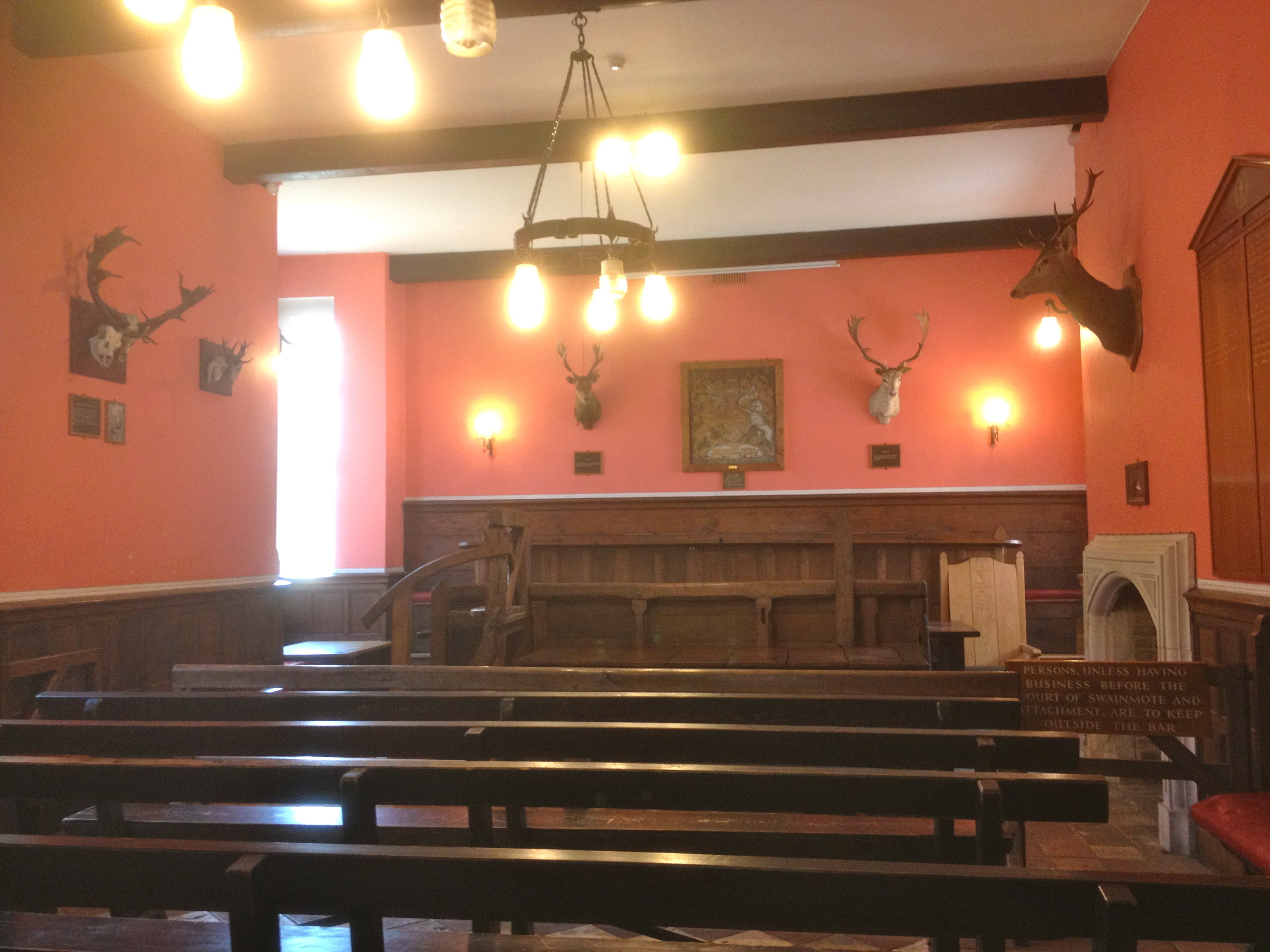
The Verderer's Hall, where the Court presides, has a medieval heritage.

The Verderer’s Hall, in Lyndhurst, is where the Verderer’s Court presides and has a medieval heritage.


Posted in New Forest, New Forest Commoner | Tagged , , , , , , , , , , , , , , , , , , , , , | Leave a comment

The New Forest pony – the natural selection

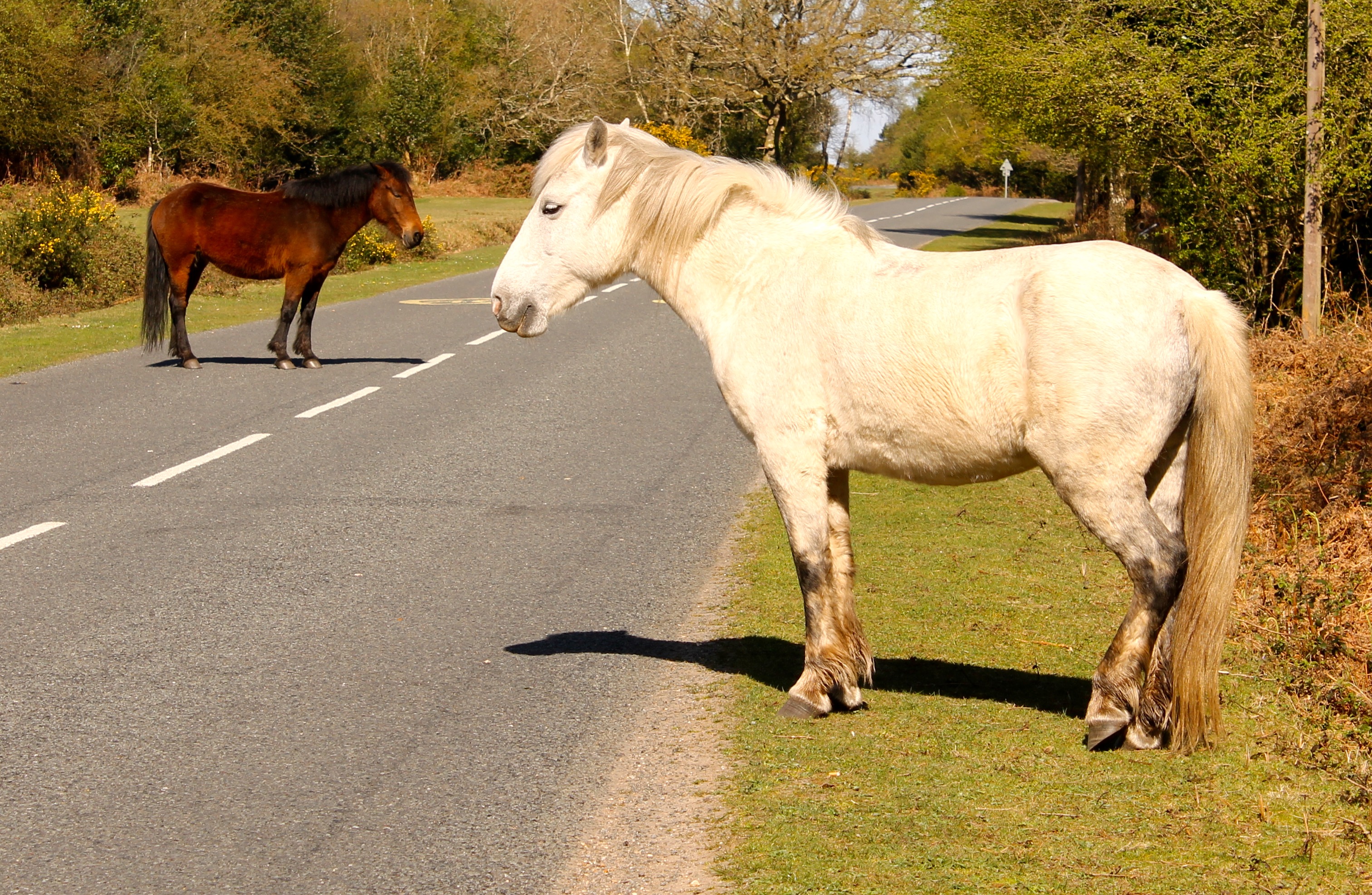
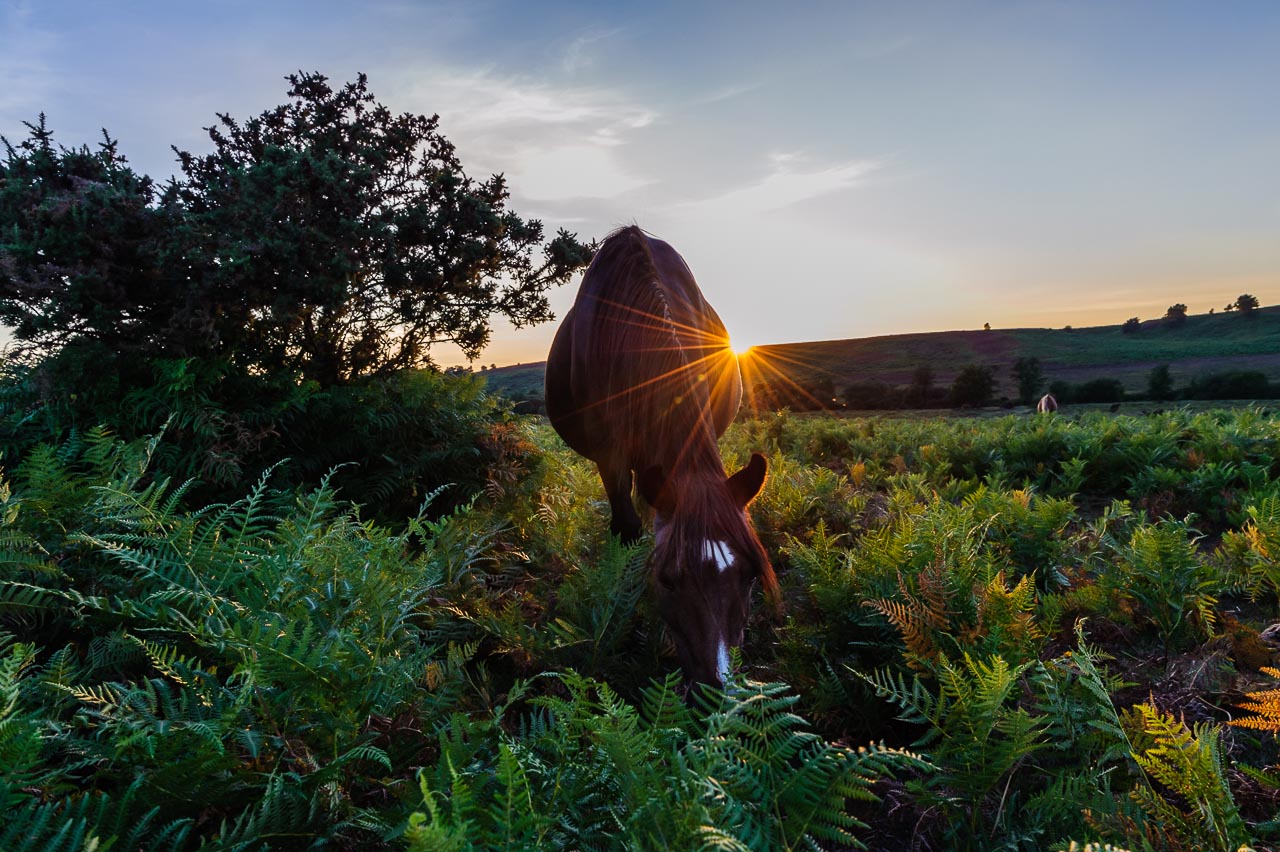
The free-roaming New Forest ponies are the 'architects' of the Forest.

The free-roaming New Forest ponies are the ‘architects’ of the Forest.

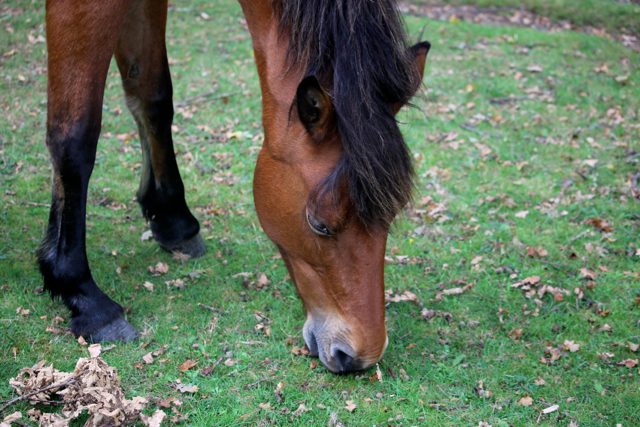
The New Forest pony is known as the ‘architect’ of the Forest and plays a significant role in the biological diversity, culture and economy of the New Forest.  So important is this animal to the Forest and to commoning that it has even been referred to as a ‘tribal god’. Each of these free-roaming ponies belongs to a commoner who has ‘Rights of Pasture’ on the New Forest and is marked with their owners’ brand identification, which is located on the nearside (lefthand side) usually in the saddle area. Though generally described as ‘wild’ ponies, it would probably be more accurate to describe them as ‘semi-feral’. The ponies do come into contact with humans on a regular basis and are not left to fend for themselves. They live in small groups or bands and tend to stay in the same area, known as a haunt or run, rather than wandering the whole of the New Forest. This makes it easier for their commoning owners to check on them regularly.

New Forest pony breeding
According to the New Forest Pony Breeding & Cattle Society, New Forest ponies need to be of a working type, between 12.2hh and 14.2hh, and any colour except piebald (black and white), skewbald (brown/black and white), spotted, or cremello (cream-coloured with blue eyes). The New Forest pony is renown for its versatility, intelligence, hardiness, agility and amenable nature but some commentators in times past were less than kind about its looks. The Sporting Magazine, 1798 (Vol.12), reports; “But though the form of the New Forest horse is seldom beautiful, yet as the ornament of a forest scene, he is very picturesque.”

New Forest pony versatility
In times past New Forest ponies had a variety of uses. Primarily they were working animals that pulled carts, hauled brushwood, travelled to markets and fairs in gigs, and, as ridden ponies, would carry a man’s weight all day. (It is generally believed that a New Forest pony can carry a stone in weight for every hand in height.) When they were not working they would be used for hunting, cross-country, racing, gymkhanas and even polo. One famed harness pony mentioned in 1895 belonging to Mr King, a carrier from Bramshaw, was so good when being ridden during the wild pony drifts that ‘the rider scarcely needed his reins, so well did the pony know the game.’

New Forest pony ancestors
There has been much speculation about the origins of the New Forest breed. Legend tells of Spanish horses, in 1588AD, escaping the sinking ships of the Armada, finding land and becoming the ancestor of the New Forest pony breed. (Though most authorities discount this story as improbable. See: http://newforestcommoner.co.uk/2015/08/17/the-spanish-armada-and-the-equine-invasion/) Attempts have been made over the centuries to ‘improve’ the standard of this native pony. The history of the breed includes a mixture of other native breeds, including Dartmoor, Highland, Exmoor and Welsh. Other attempts to bring a more aristocratic influence have also included thoroughbred and Arab horses. But, as Sir Berkley Pigott (1960) observed; “Yet, owing to the mysterious power of Nature to grind down and assimilate all these types to the one most suited to the land, New Forest ponies are still fairly of one type and they are rapidly becoming more so.” The New Forest pony as well as shaping the ecology of the landscape has been shaped by it. This versatile little equine has developed the appropriate physiology to survive on the open New Forest during all seasons. It is an essential part of the social fabric of the Forest, and an asset to the local economy. For people looking for a genuine all-rounder the New Forest pony is the natural selection.

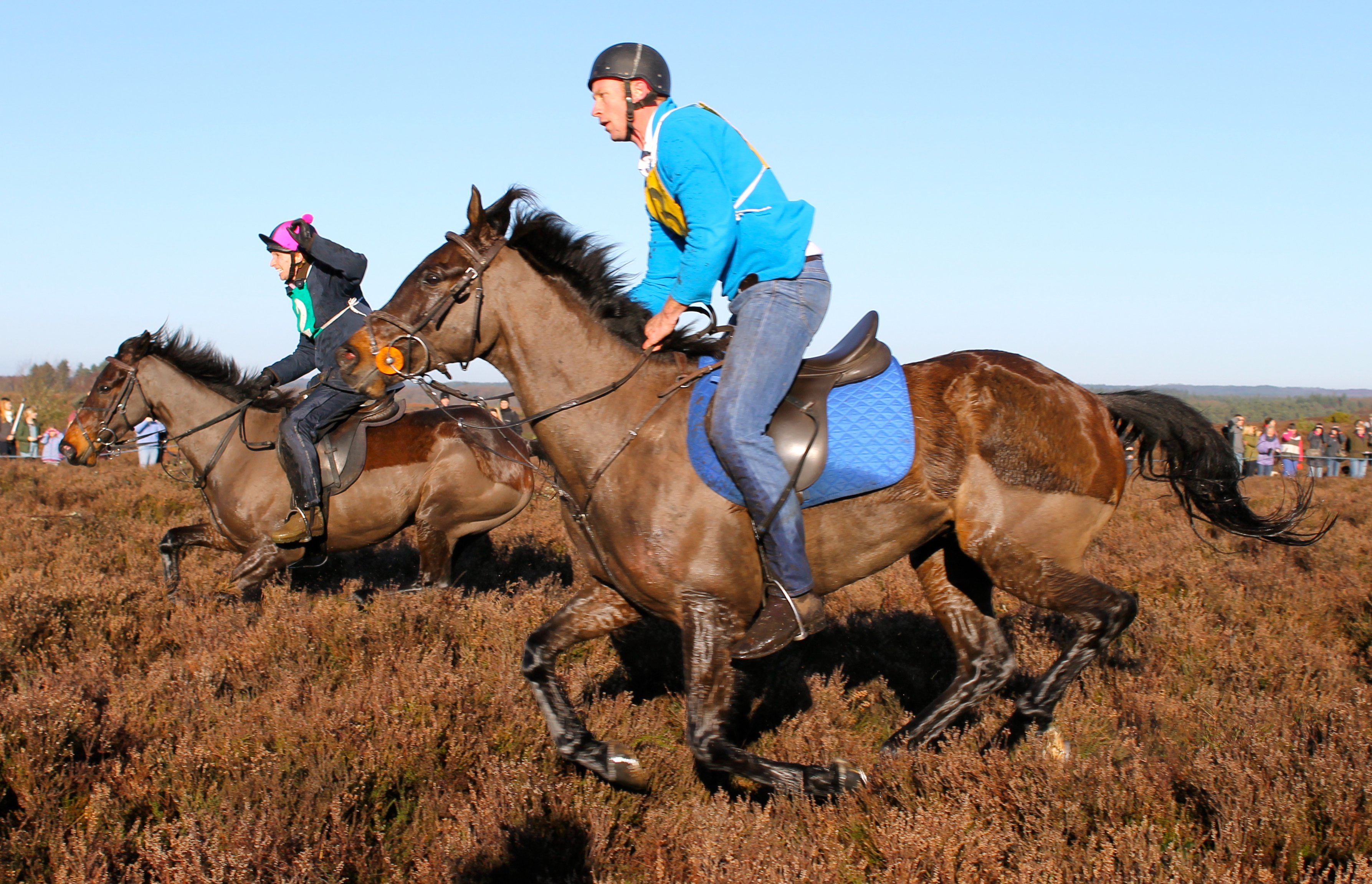
New Forest ponies are versatile and can turn their 'hoof' to any task, including racing.

New Forest ponies are versatile and can turn their ‘hoof’ to any task, including racing.

(1) Photo courtesy of Paul Chambers: http://www.paulchambersphotography.com/

Posted in New Forest, New Forest pony | Tagged , , , , , , , , , , , , , , , , , , , , , , , , , , , , , , , | Leave a comment

The New Forest Commoner

When I learned that I had Rights of Common on the New Forest, I began a journey of discovery into the traditions and practices of commoning on this beautiful and ancient landscape. Being a commoner means that I can ‘depasture ponies, cattle, donkeys and mules’ onto the Open Forest. These days, commoning is more of a lifestyle and less of a livelihood. It is not an economically viable activity unless it is practised as part of a larger farming venture. However, the ancient system of sharing the resources of the Open Forest means that it is an incredibly sociable activity, as a high degree of cooperation and mutual support is essential between the commoners, in order to manage their free-roaming stock.

The New Forest was created by William the Conqueror in 1079AD, although there is evidence of human settlements in the area long before that. Bronze Age (2400BC–700BC) settlers, for example, cleared woodland for the grazing of their stock, and the Romans (43AD-410AD) established potteries in the area. But William I’s ‘Nova Foresta’ established the Forest as we know it today. When Rufus the Red, King William II, was killed in the New Forest in 1100AD, his body was carried on a cart to Winchester by a commoner who has descendants still living in the Forest 1000 years later. Commoning is an ancient way of life and I believe that it is crucial that the practice be continued and more widely understood. The New Forest pony is seen as the essential link in this rural community, being the recognised ‘architect’ of the Forest and, as I have always kept my own horses, becoming a commoner seemed a natural process.

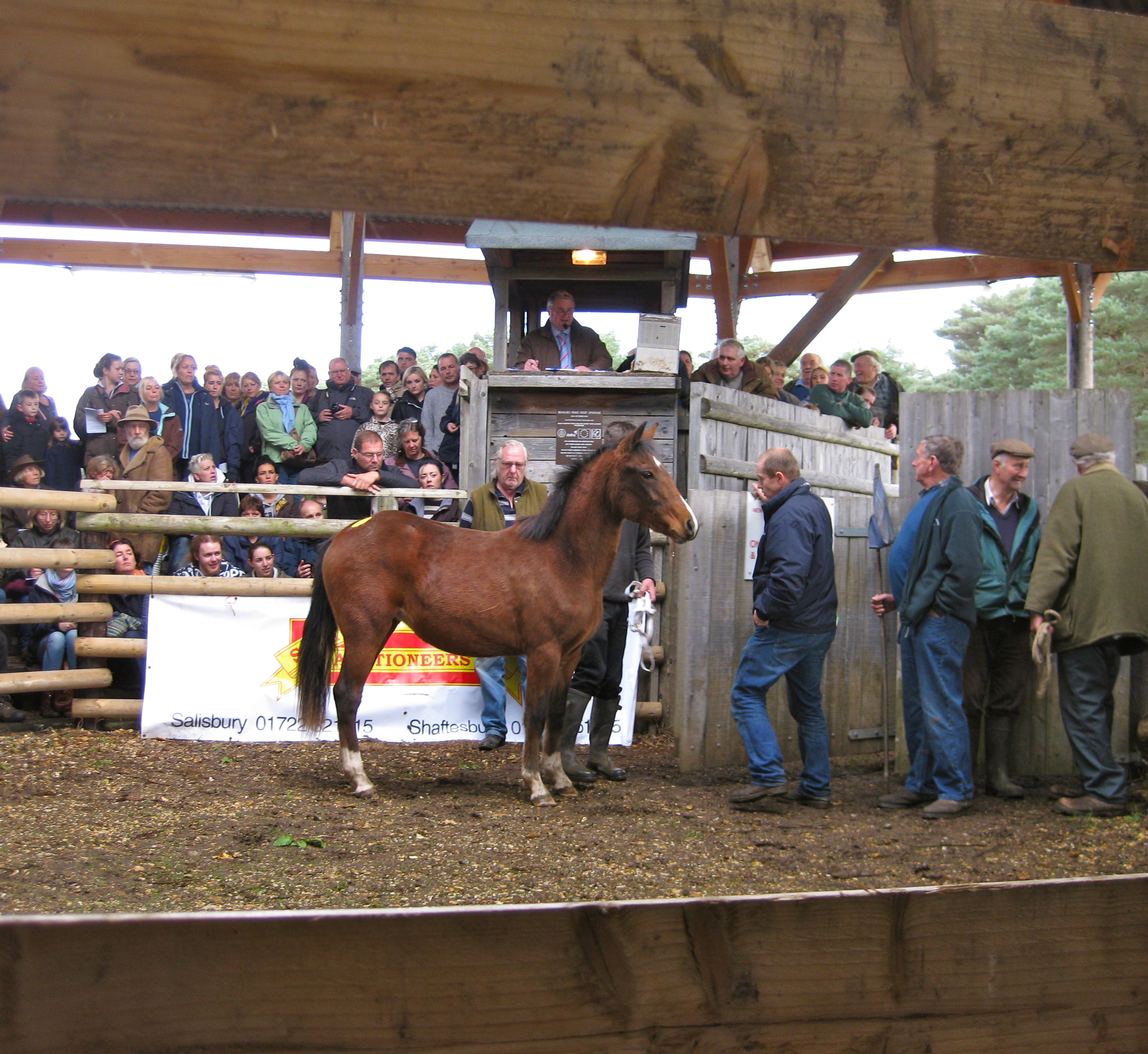
I have been incredibly fortunate to meet people who have been most generous with their time in guiding me. Although I do have knowledge of keeping horses, owning ‘wild’ horses is something entirely new to me. Over the last year I have been fortunate to have attended the pony round-ups, known as ‘colt-hunting’ or drifts, travelled out on the Forest with other commoners to help them with their stock, and been to the sales at Beaulieu Road and the New Forest Boxing Day Point-to-Point. The commoners seem genuinely pleased to find someone who is interested in their way of life and who wants to practise and protect it. My recent purchase of two mares, which will form the nucleus of my free-roaming herd, marks the beginning of what I know is going to be an incredible journey into the past.

New Forest Commoner - avatar

Posted in New Forest, New Forest Commoner | Leave a comment

A calf called ‘Mary Christmas’

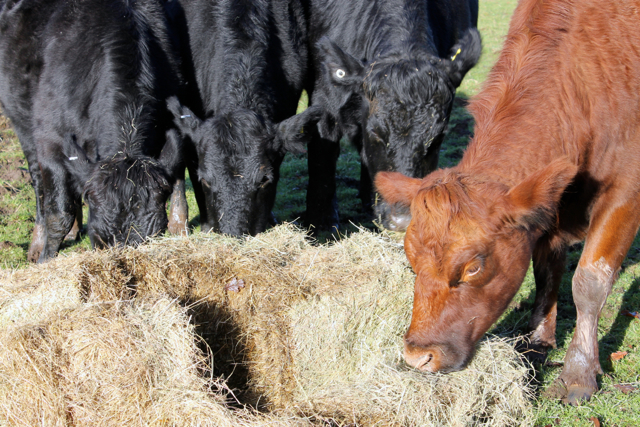
Cattle on the New Forest are accustomed to vehicles, especially when they're used to dispense hay.

Co-operation between the commoners is an important aspect of commoning – even on Christmas Day!

When William the Conqueror declared, in 1079AD, his intention to create a Nova Foresta, he did so because he wanted to establish a royal hunting park. However, the laws he created to protect the game also provided for the creation of a social system that has, in many ways, endured for a thousand years. After the creation of the New Forest the inhabitants were forbidden to enclose their land or fence their crops, as this would impede the chase during the hunt. The Forest inhabitants however, were permitted (for a fee of course) to continue letting their domestic animals roam freely to graze in common and thus establish in law ‘common rights’ for their owners. This system of sharing the resources of the open Forest meant that cooperation, mutual support and the passing on of knowledge was essential between the commoners in order to manage their stock. Communications were (and still are) conducted through social gatherings, such as the annual pony drifts, the Verderers’ Court,  auctions, and markets; here commoners would get together and discuss Forest issues. At these gatherings business was conducted, friendships were developed, family-ties strengthened and mutual support networks were established.

An example of the cooperation and communication among commoners was amply illustrated a few years ago during the festive season. A commoning friend of mine was enjoying Christmas dinner with relatives living in Bristol. This was quite a rare occurrence as, with so many animals to look after, she rarely ventured away from the Forest but on this occasion had made an exception to be with her family. That year the winter was particularly cold and the Forest was blanketed in thick snow. She received a phone call to say that there had been an incident involving one of her in-calf Aberdeen Angus cows, but that it had been sorted and everything was under control. The cow had gone into labour on a road and delivered her calf but had slipped on ice when trying to get to her feet again and had broken a leg. Even though it was Christmas Day all the neighbouring commoners rallied round. The Head Agister was called to attend to the cow. He put down his knife and fork from his Christmas dinner to immediately deal with the stricken animal. Another commoner arranged for a supply of milk powder for the orphaned calf and another, who was the house sitter (and more of a horseman than a cowherd), bottle-fed the calf every four hours. Other commoners had been involved in the drama and helped in various ways, including driving their stock trailers to collect the calf and the cow, and phoning my commoning friend. The calf survived and, indeed, thrived. It was a fine heifer and quite distinctive for an Aberdeen Angus, as she is the only brown one in a herd of black cows. She can be seen roaming the Forest today. She was also given a name to suit her festive birthday ‘Mary Christmas’.

merry-christmas-clipart-6

Posted in New Forest Commoner | Tagged , , , , , , , , , , , , , | Leave a comment

Turbary and Estovers: Even the hearthstone has rights!

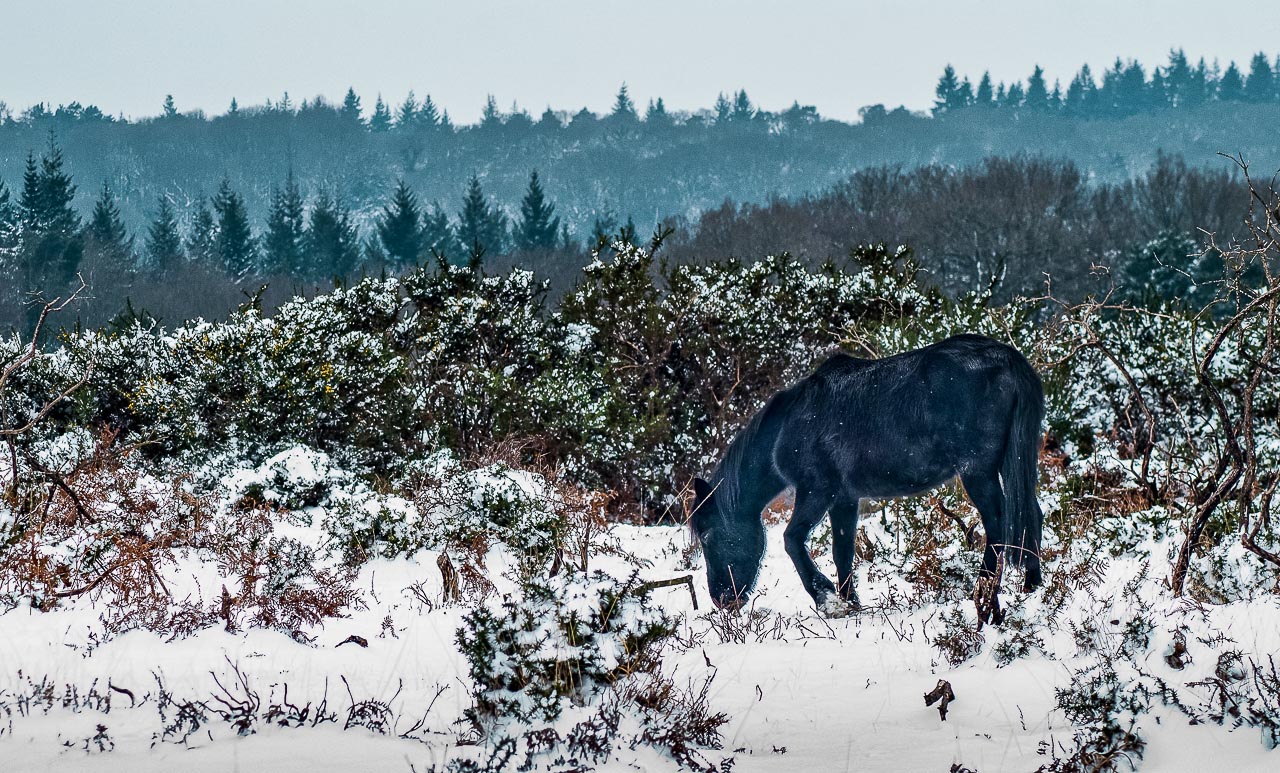
The ponies must be hardy to survive in the wild.

The free-roaming New Forest ponies are hardy and can survive in the ‘wild’.

Winter in the New Forest can be a magical time of year. The early morning frosts cover the landscape with a sparkling, sugar icing-like layer of white dust. As John Geddes remarked; ‘December’s wintery breath is already clouding the pond, frosting the pane, obscuring summer’s memory…’  To some, the Forest can seem a very bleak place in the deep mid-winter. But this is a landscape that enthralls no matter what the weather or time of year. My visits have been much curtailed of late. Most commoners, like me, have full-time jobs, and are not able to visit the Forest as regularly during the shorter winter days to check their stock. I am mostly limited to the weekends for exploring the territories maintained by the herds.

Ponies dressed for winter
The ‘wild’ ponies carry the early morning frost on their backs. Their shaggy winter coats trap the heat inside their bodies, which would otherwise melt the frigid layer. Their warm breath curls from their nostrils in tendrils of mist. They group together, placing their backs against the wind as their thick tails fan out behind them to provide a shield against the biting cold. In many ways it is much easier to find the free-roaming ponies during the winter months, as the foliage on the trees is much denuded and, as a consequence, they can be easier to spot. However, the piercing winds and biting cold seem able to gather pace through the skeletal woodlands and across the exposed heaths. Keeping warm during the winter is a survival skill and the commoners, like the ponies, have learnt to exploit the natural environment to fulfil their needs.

Right of Turbary
New Forest commoners are a practical people. The seasons have shaped many of their traditional customs and practices. In days past those with Right of Turbary were entitled to cut the turf for burning in their dwellings, but they were required to leave the two adjoining strips, for every strip removed, to prevent over-harvesting. In 1895 De Crespigny and Hutchinson observed that ‘the turf in the New Forest is cut in less thick and solid junks than the peat of Ireland or Scotland. It is skinned off in thin strips by an instrument specially designed. In its manner of burning, too, it differs from the peat, smouldering in a dull and uninteresting way without any quips or antics of leaping flame, or steady joy of brightly glowing incandescence.’ With the widespread availability of more efficient and less labour intensive fuels, such as gas and electricity, the Right of Turbary is no longer used for heating homes.

Right of Estovers
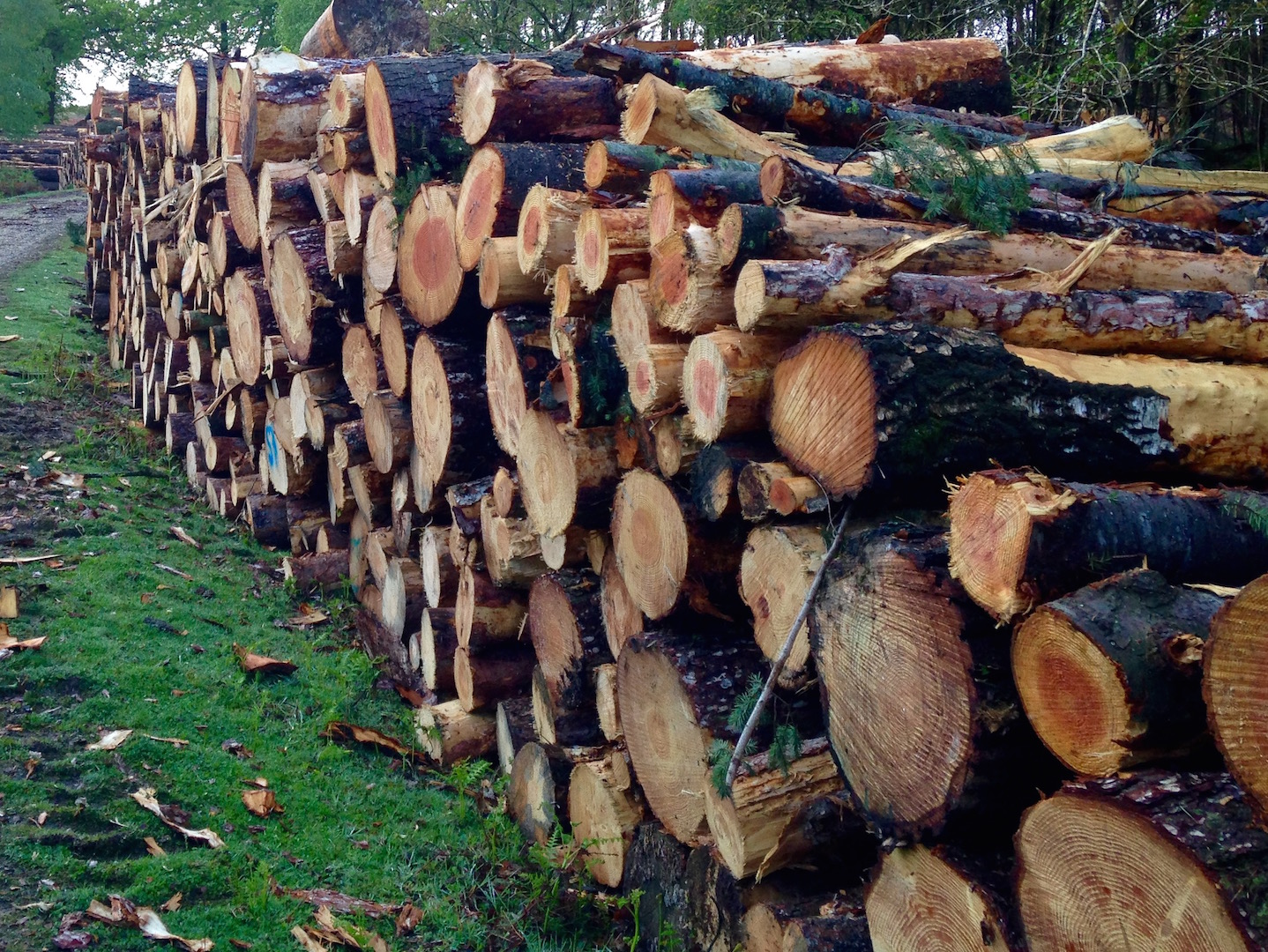
Some commoners had the Right of Estovers, which is the common of fuelwood or Assignment Wood. This common right is still practiced today by those who haven’t sold their rights to the Forestry Commission. The commoner is allocated one or more cords of burning wood, which must be used for fuel in the dwelling. The Forestry Commission cuts and stacks the wood, usually reasonably close to the commoner’s holding, and assigns the cordage to the rightholder who then has to collect it. This right is strictly controlled. Fallen twigs and branches can be collected by anyone living in a property built before 1850 within the perambulation of the Forest, providing a vehicle is not required to transport them.

Even the hearthstone has rights
The ancient rights of common were not assigned to an individual but to the property. If the homeowner sold the house the rights would pass to the next owner. In the case of Turbary and Estovers, upon which many commoners depended, the rights were assigned to a specific part of the house, namely the hearthstone or fireplace. If a commoner, with fuel rights, rebuilt his dwelling elsewhere on his land he was careful to preserve the old fireplace. De Crespigny and Hutchinson remarked, ‘it is for this reason that we sometimes see in the Forest a fireplace curiously situated in a cabbage bed or an orchard, with no apparent function or reason for existence. It stands there in witness of its owner’s rights of fuel.’ But as I said earlier New Forest commoners are a practical people!

Commoners with the Right of Estover were permitted to

Commoners with the Right of Estover are allocated fuel for use in their homes.

Top photo by kind permission of Paul Chambers.

Posted in New Forest Commoner | Tagged , , , , , , , , , , , , , , | Leave a comment

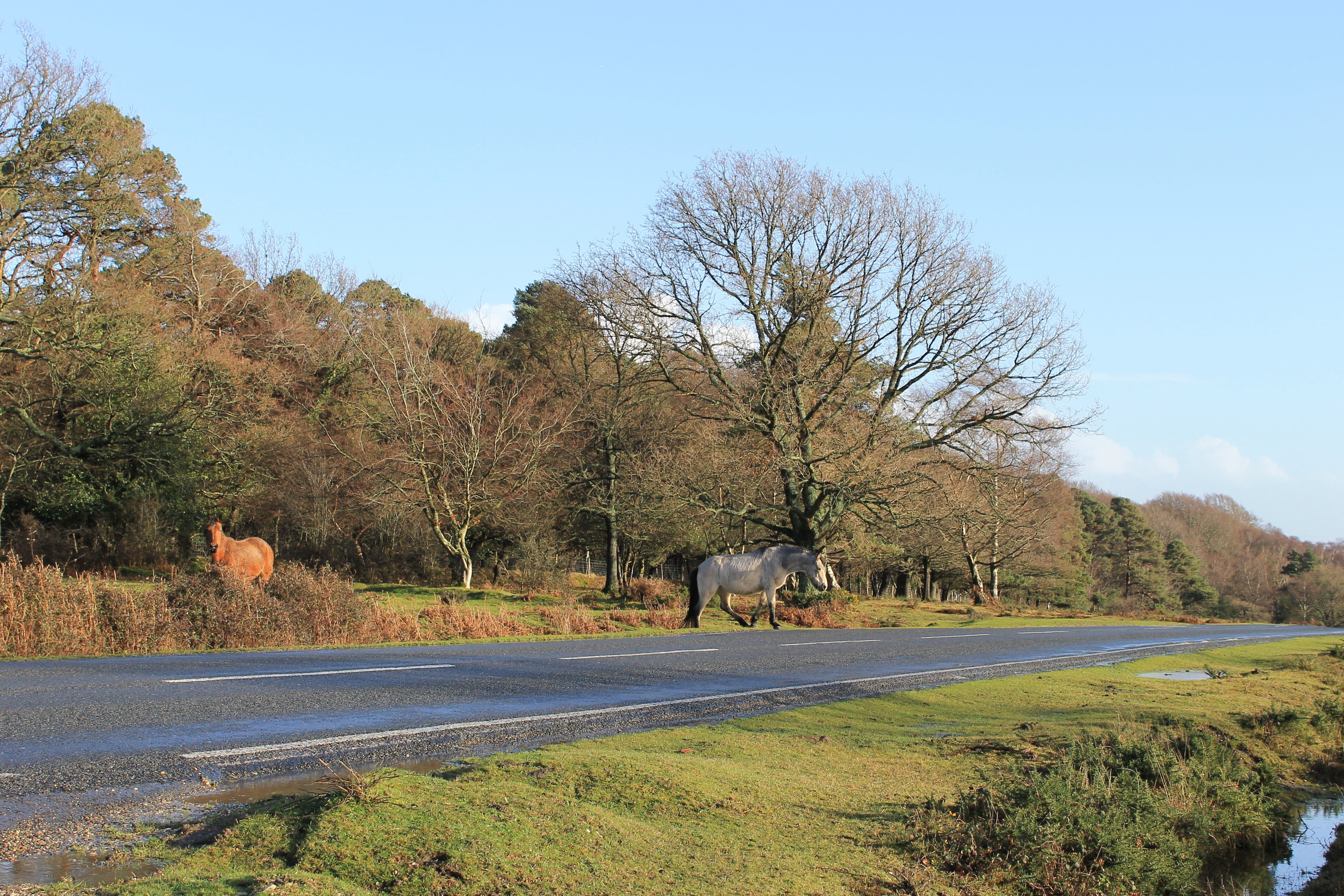
Animal road casualty reports make grim statistics

The Verderers weekly reports of animal casualties on the Forest roads always make such grim reading. Each entry states the day, date, time, the animal involved – pony, cow, sheep, pig or donkey – and what happen to that animal. Ponies represent the greatest number among the free-roaming animals killed or injured on Forest roads. Last year (2012) 51 ponies were killed and 13 were injured. The majority of these accidents occurred at night and the motorcar was the main vehicle involved (motorcycles were involved in two incidents and a tractor one). Just over 50% of the incidents involved local drivers. Shockingly there were 23 incidents that went unreported, which are commonly known as ‘hit and runs’. In each of these incidents an animal was wounded or killed by a driver who did not alert the authorities or try to secure attention to it. There is a reward of £1000 for information leading to the successful prosecution of drivers convicted of a hit and run accident involving a Forest animal. (Wildlife, such as deer, are also involved in road traffic accidents but because they are not owned by the Commoners they come under the jurisdiction of the Forestry Commission, so do not appear on the Verderers reports.)

The sight of wild ponies, and other animals, wandering throughout the Forest is one of its many attractions to the millions of tourists who visit each year. The ponies are highly adaptive and have learned to exploit their environment. But their canny knack of finding sustenance and shelter can bring them directly into harms way. The car parks and roads, for example, can be such a lure for ponies and cattle. In the wintertime when the roads are icy they are gritted to prevent drivers skidding or sliding on the frozen tarmac. But the grit contains large quantities of salt that the ponies and cattle will come and lick from the roads. Their quest for minerals brings groups of them directly into the path of on-coming traffic. Likewise on cold days the animals will often lie on the roads if the sun has warmed the tarmac sufficiently. The tarmac becomes one long radiator that enables them to take advantage of the additional warmth.

Whilst I am sure that the majority of people who travel through the Forest are aware that ponies, cattle, sheep, pigs and donkeys roam freely. I’m not sure that many of them realise that, whilst familiar with road traffic, these animals have absolutely no road sense. Over millions of years their intelligence has developed only to focus on finding food, shelter, mates and avoiding the danger of predators. Motor vehicles are not considered a danger by the ponies and other free-roaming animals because they are not predators. Quite the reverse in a pony’s’ mind. Cars bring people, people bring food, therefore cars are good.

One of the biggest dangers for the ponies are the people who feed them in the car parks or throw food from their vehicles onto the verges. This is not just a phenomenon that happens in the summer time, when people are happy to share their picnic leftovers. It happens all year round. Recently I was travelling on the B3079, between Homy Ridge and Howen Bottom, and my attention was turned towards a group of ponies fighting. They were rearing up and lashing out at one another. Someone had dumped a large quantity of apples on the track at the gateway and the ponies were furiously squabbling over them. The little group were completely oblivious to the traffic passing nearby, as all their concentration was on obtaining a share of the fruit. Encouraging the ponies into the car parks or beside the roads for food only brings them closer to the traffic and increases their risk of being killed or injured.

The B3079 is a road with the reputation of having the worse animal fatality rate, particularly between Fordingbridge and Cadnam. There is much debate currently about the efficacy of the reflective signs along its route and how to improve road safety for the free-roaming animals. The Commoners Defence Association, Hampshire Country Council, the National Park Authority and others spend a great deal of time trying to raise awareness among visitors, commuters and other road users about the number of accidents among the ponies and how to prevent them. Yet between 1%-2% of all Commoners stock continue to be killed each year on the Forest roads.

Animal casualty sign.

Animal casualty sign.

Posted in New Forest | Tagged , , , , , , , , , , , | Leave a comment

Abundance of acorns means winners and losers

Acorns can be toxic to the commonable livestock but some animals develop a real taste for them.

Acorns can be toxic to the commonable livestock but some animals develop a real taste for them.

There’s an often quoted saying that is familiar to commoners: “where you get livestock you get deadstock”. The livestock part is the good part. Tending to your animals, working with them, and, if you’re a breeder, watching the next generation coming into the world, is enormously satisfying. Their lives become our lives. The deadstock part is much harder, particularly when the death of an animal is unexpected and caused by accident or illness. Already this autumn over 60 free-roaming animals have been killed due to the effects of acorn poisoning. Ponies, cattle, and sheep are not able to digest the pyrogallic acid and tannins that occur naturally in acorns. However some animals may develop quite a taste for the fruit of the oak tree and positively feast on them!  The level of toxicity of the acorn seems to differ with the age and species of the oak tree, and the age of the acorn itself. Signs of poisoning include depression, loss of appetite, colic, early constipation followed by bloody diarrhoea and death. Vets can offer no treatment other than charcoal feeds to absorb the toxins, and Epsom salts and liquid paraffin to move things through the gut.

Pannage season
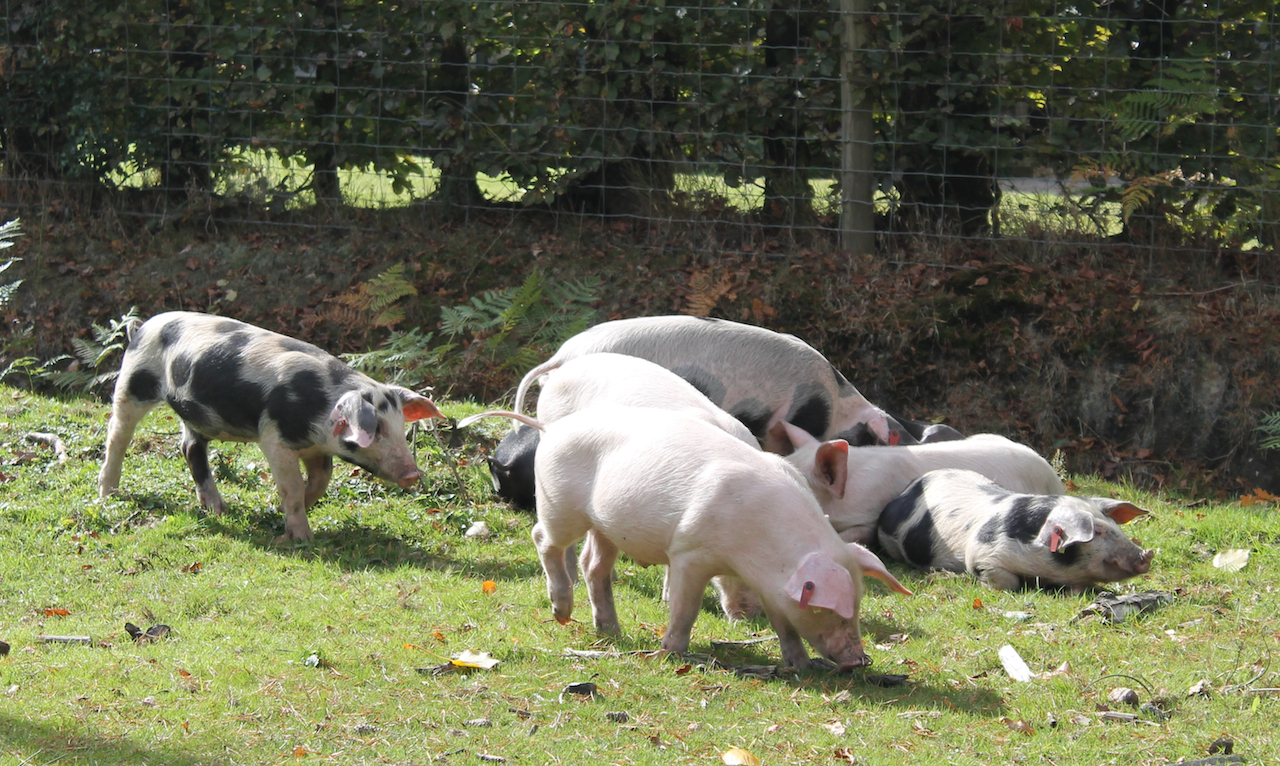
Preventing the ingestion of acorns in the first place is the recommended solution. But whilst this is possible for most horse owners who can stable their horses, rake and remove the acorns or partition-off an offending tree; for commoners who have free-roaming animals over vast territories these remedies are not practical. The traditional solution for the New Forest commoner has been to release pigs, who are tolerant to the acorn toxins, onto the open Forest to eat the offending seeds. Common of Mast is the right, held by some commoners, to turn pigs on to the Forest during Pannage Season. In days gone by Pannage dates were fixed from 25th September to the 22nd November each year. However, if the acorns fell later in the season the pigs would often go in search of food and invade people’s gardens! (Garden fencing that keeps out ponies and cattle is not always adequate for a hungry hog!) The New Forest Act of 1964 made it possible for the Forestry Commission, after consultation with the Verderers of the New Forest, to fix the dates for any suitable term of not less than sixty days. In response to the recent spate of poisonings the Pannage dates, which began in early September, have been extended until Sunday 15th December.

Mast year
Due to the exceptional weather conditions earlier this year the acorn crop is much more abundant than usual. This phenomenon is known as a ‘Mast Year’. Mast is a term derived from the Anglo-Saxon word ‘mæst’, which refers to the large quantities of various kinds of nuts and seeds on the forest floor. This year the heavily laden oak trees have been assailed by high winds, which have caused their acorns to fall in great quantities. There have just been too few pigs to hoover up such large numbers of acorns. Hence the extended Pannage season. Mast Year’s are good news for the trees, however. The more fruit they bear the better the chances they have of reproducing. Acorns also have their fans among the superstitious. According to legend Thor, the ancient Norse god of thunder, once took shelter from a particularly heavy rainstorm under the canopy of a mighty oak tree. To show his gratitude he protected it from ever being struck by lightening. This is why you will notice in some historic buildings the image of an acorn in the window etching or stained glass window. As it was believed than an acorn on your windowsill protected your house from lightening!

Pannage season is an ancient practice for commoners with Common of Mast

Pannage season is an ancient practice for commoners with the Right of Mast.

Posted in New Forest, New Forest Commoner, Pannage season | Tagged , , , , , , , , , , , , , | Leave a comment

New Forest: leave room for the mushrooms

The New Forest has many species of fungi, which rely upon fallen trees and the decay of other plant material.

The New Forest has many species of fungi, which are essential for maintaining the diversity of its flora and fauna.

Did you know that the largest living organism on the planet was found in an ancient forest? The organism in question is an Armillaria ostoyae, a variety of honey fungus, which started from a single spore invisible to the naked eye. This organism has been spreading through the Malheur National Forest, in eastern Oregon, USA for an estimated 2,400 years and covers over 2,200 acres (880 hectares). Fungi, commonly known as mushrooms and toadstools, play a vital role in the ecology of a forest. One of their most important functions is to recycle nutrients. So necessary is this ability that some fungi species are actually added to the soil during tree planting. Creatures, such as wood and leaf-eating insects, depend on symbiotic gut microbes to digest cellulose in their food supply, while other insects and animals utilise fungi directly as a food source. The fungi found on the New Forest are a vital component of the food-chain and essential for maintaining the diversity of its flora and fauna. The agencies responsible for the management of the New Forest even allow some fallen trees and plant material to rot naturally, as this encourages the proliferation of fungi and the countless species that depend upon them.

However, eating mushrooms picked from the wild has become very fashionable in recent years as people seek to copy ‘hedgerow hunters’ and ‘forest foragers’. Dozens of people seek medical advice each year, from the Health Protection Agency’s poisons experts, after eating toxic varieties of wild mushroom, which they have picked themselves. Some varieties are so poisonous that they can be fatal if eaten. Honey Fungus, for example, is edible when cooked but can be confused with other species that are toxic. Nevertheless people are prepared to seek out or pay premium prices for ever more exotic or rare species of fungi. This has led to a number of unscrupulous individuals trying to cash-in on the rising demand for ‘wild food’, to the detriment of the local ecology. Harvesting fungi as a commercial activity is prohibited on the New Forest. (There is only one licenced collector). Yet in 2012 commercial pickers were held responsible for clearing the area around Bramshaw Common of all its mushrooms. This year’s warm summer and mild autumn have made the conditions ideal for unusual varieties to grow. However, the glut is sure to attract people who want to exploit the natural resources for their own profit and leave the Forest all the poorer for their selfishness.

Wild mushrooms and toadstools are vital to the Forest ecology.

Wild mushrooms and toadstools are vital to the Forest ecology and maintain its biological diversity.

For more information about picking mushrooms in the New Forest visit the Forestry Commission’s website: http://www.forestry.gov.uk/forestry/infd-6e3gaz

Posted in New Forest | Tagged , , , , , , , , , | Leave a comment

It’s an ill wind that blows no good

The New Forest offers plenty of opportunity to experience nature's 'green gym'.

A category 2 hurricane struck the New Forest in 2013 but other natural disasters have been far worse.

The storm that hit Britain recently (October 2013), wreaking havoc and claiming four lives, was nicknamed St Jude because it was due to fall on the patron saints’ day – 28th October. St Jude was the patron saint of lost causes (and policemen)! At its height winds reached speeds of 99mph which, according to the Saffir-Simpson scale, was a category 2 (moderate) hurricane.

Be Prepared!
We had taken precautions to secure our smallholding and livestock when the Environment Agency increased the alert status from Yellow (be aware) to Amber (be prepared). We checked the fences and removed a suspect limb overhanging the boundary. The ditches, drains and gutters were checked and, if necessary, cleared. I took the decision to leave the ponies in the fields rather than bring them into their stables, as I thought they’d be safer. All equipment, garden furniture and wheelbarrows were stowed away. When the full strength of the storm hit, at about 4.30am on Monday 28th October 2013, it felt as if the roof was being lifted off the house. I could hear the timbers in the attic creaking in protest and the whole house was shaking. Just after that the power went off. We were to remain without electricity for 36 hours.

Great Storms
Acts of God or natural disasters are not uncommon in the New Forest. In the Great Storm of 1703, for example, approximately 4,000 oak trees were lost. Landslides, particularly around the coastal areas, are an ever-present danger, likewise with gales, flooding and wildfires. (Wildfires are not to be confused with the heath burning that is practised by the New Forest Commoners as a legitimate pasture management tactic.) During the Great Storm of 1987 wind speeds were in excess of 130 mph. Louise Gray, from the Telegraph, later reported; ‘The grand vistas of south-east England were transformed by the worst storm in 200 years. Of 15 million trees felled, 12 million were in forests and three million in parks, estates and along leafy avenues. Losses included six of the eponymous Sevenoaks of Kent, 100 trees at Hampton Court and 700 at the Royal Botanic Gardens, Kew, as well as many old friends in gardens around the country.’

It’s an ill wind that blows no good
After the Great Storm of 1987 conservation organisations, such as Woodland Trust, saw support for their work increase. People also began to plant more trees, particularly the native broad-leafed species and our countryside, parks and gardens have benefitted as a result. Another benefit of the storm was to provide the Forestry Commission with an opportunity to research the process of regeneration within the woodland areas.  There was so much deadwood that it was simply left where it fell. Many insect species thrive on deadwood and their abundance had a dramatic effect on the flora and fauna critical to creating a vibrant woodland habitat.  A Forestry Commission expert explained; ‘To be able to use deadwood, wood-boring insects require wood infected by fungi, as they lack the enzymes to break down and digest uninfected wood. The combination of insects, fungi and rain, produce water-filled rot holes which in turn provide breeding places for numerous flies and beetles. A wide range of invertebrates and birds will find plenty of food sources among that mix too, with upturned roots and logs also acting as important prey ‘plucking’ sites for birds of prey like the goshawk.’

Profit in rural living
Thirty-six hours after the St Jude storm hit, power was restored to our holding. That we had managed to cope relatively easily was due to the fact that, living in a rural location, we were prepared. Our trusty Aga ensured plenty of hot water and provided cooking/drying facilities. The diesel generator was quickly employed and our store of candles provided light and warmth. We also discovered that a deck of cards provides great entertainment and, if you’re lucky, a profit! As the old saying goes ‘it’s an ill wind that blows no good.’

The New Forest has many species of fungi, which rely upon fallen trees and the decay of other plant material.

The New Forest has many species of fungi, which rely upon fallen trees and the decay of other plant material.

Sources:

Louise Gray, The Telegraph, 15 Oct 2012: The Great Storm 25 years on: The positive impact on our woodland

The Forestry Commission: The Great Storm – http://www.forestry.gov.uk/forestry/INFD-77EBHD

The Woodland Trust – http://www.woodlandtrust.org.uk

Posted in New Forest | Tagged , , , , , , , , , , , , , , , | Leave a comment