Going under cover at the Beaulieu Road Pony Sales

One of many gatherings where Commoners can exchange news, information and knowledge.

One of many gatherings where commoners can exchange news, information and knowledge.

I haven’t visited the Beaulieu Road Sales in a long while and was pleasantly surprised by the improvements that have taken place in my absence. The first thing that greeted me as I crested the railway bridge on the road leading to the sales yard was the sight of a very impressive covered sales ring. For a moment I was fleetingly reminded of Shakespeare’s Globe Theatre, London, – before it had its sides built. The surprises continued, with the discovery that over the past ten years there have been many other improvements in infrastructure, services and facilities – all thanks to funding and contributions from local supporters and the formation of the New Forest Livestock Society. There was a small area for trade stands, where one could buy all manner of tack and equipment, fresh coffee, hot food and even pick up information about the National Park Authority. It’s not difficult to understand why the Beaulieu Road Sales Yard is thought to be the best of its kind.

Pre-sale foal show
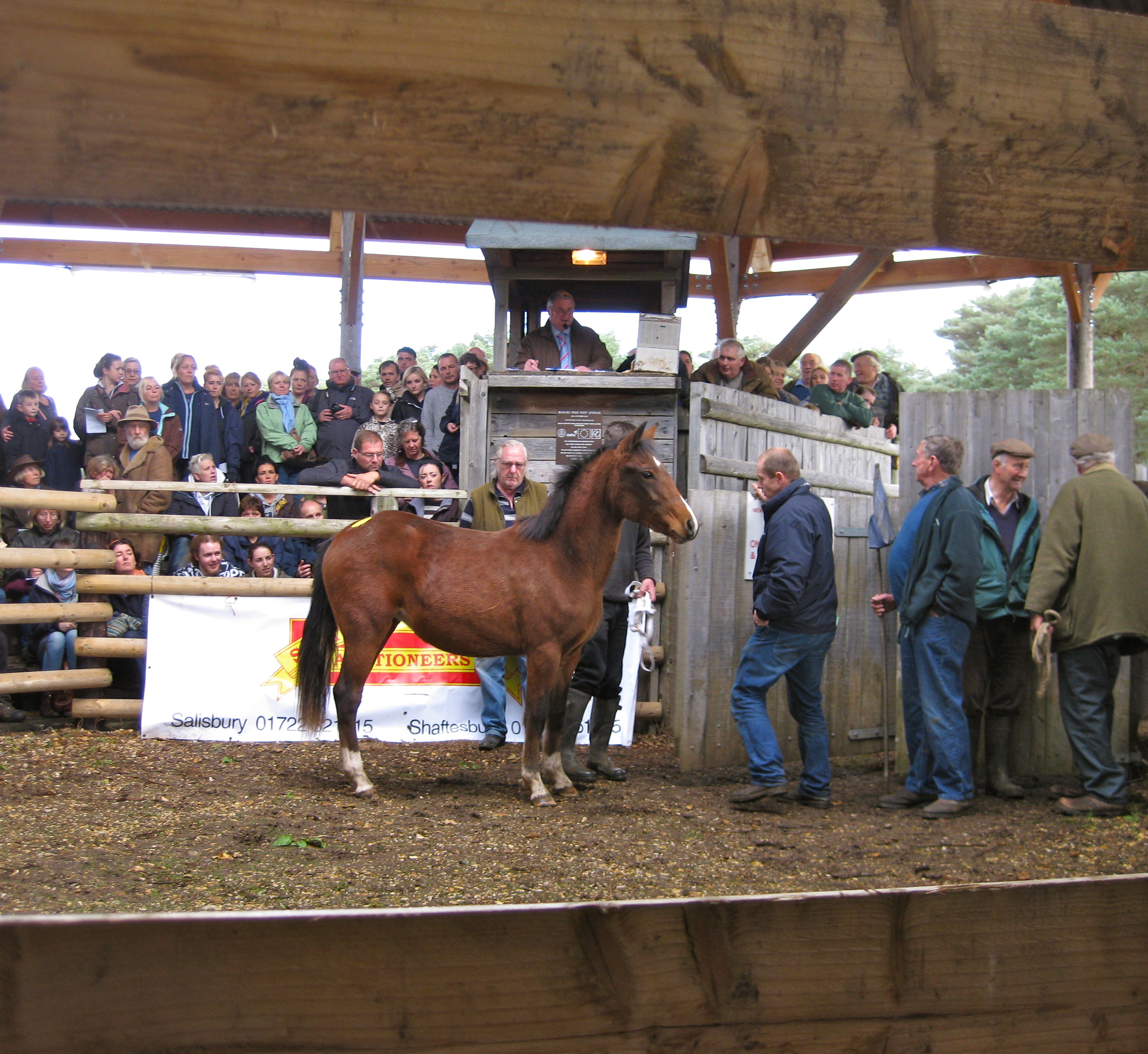
It was a beautiful autumn day. The sun was shining, there was a gentle breeze and the temperature was cool but not unpleasant. The day started with a foal show. The foals on show were all halter-broken and obviously familiar with the lead-rein. It would have been difficult for me to have to choose one in each class. They were all adorable and very well behaved under the circumstances. I spent a bit of time wandering around the viewing pens looking at the ponies. The catalogue had 194 lots listed. There were also breeds other than New Forest ponies on sale, and even donkeys. Mostly they were foals. Before the auction started lots of dignitaries filed into the arena and there were a few announcements. It transpired that the October pony sales were to be the very first held under the newly covered sales ring. (Previously there was no roof and site was open to the elements). I was to witness the ‘launch’! There was a long list of people to be thanked – particularly those who had helped to raise funds to finance the project and those who had worked above and beyond the call of duty to build it. Each timber, we were told, had been individually cut and joined, because no two timbers had been the same length! The timbers were made from Douglas fir, which is one of the tallest of the conifer family and is generally grown in environmentally-friendly sustainable plantations.

Southern County Auctioneers conducted the auction in guineas (£1.05). Ponies were led or herded in by the attendants, under the watchful eyes of the attending veterinary surgeon and Inspectors from the RSPCA. Buyers, who had pre-registered, bid on each one. There was a minimum bid for each pony of 10 guineas and the first pony into the sales ring, a dark bay yearling colt foal, fetched only 12 guineas. I spent most of the auction sat on my hands. I could have come away with half a dozen foals easily! I met up with a few Commoners whom I recognised (and who recognised me!), so it was a chance to have a chat with people and become more familiar with the community. There are four sales per year of between 150 – 350 ponies. For more information about the Beaulieu Road Sales visit: New Forest Livestock Society – http://www.nfls.org.uk or South County Auctioneers – http://www.salisburyauctioncentre.co.uk/beaulieu-pony-sale.html

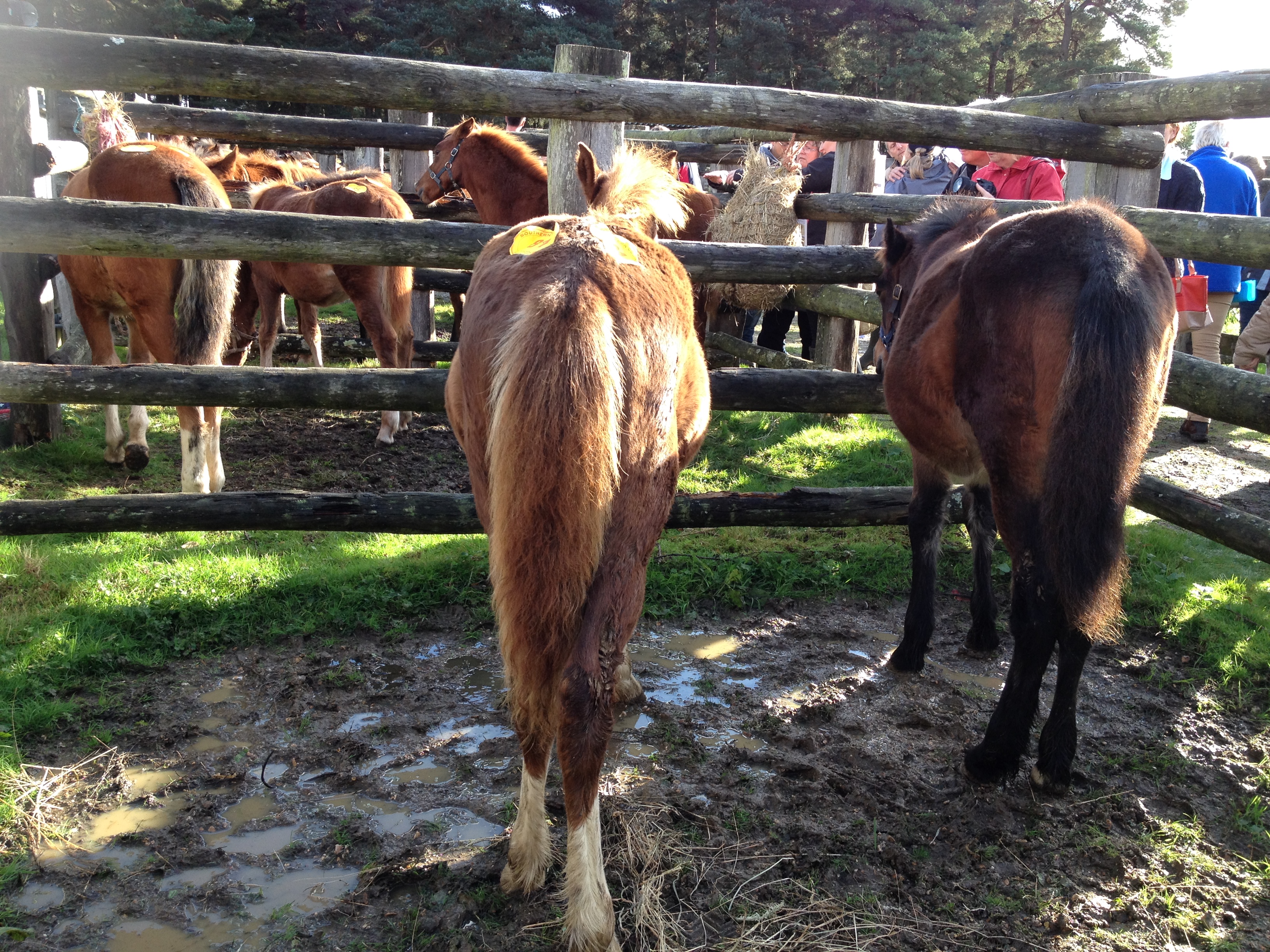
Viewing pens at the Beaulieu Road Sales Yard.

Viewing pens at the Beaulieu Road Sales Yard.

This video shows the work that was previously undertaken to improve the Beaulieu Road Sales Yard in 2011: VIDEO

Posted in Beaulieu Road Sales, New Forest, New Forest pony | Tagged , , , , , , , , , , | Leave a comment

People watching and other wildlife observations

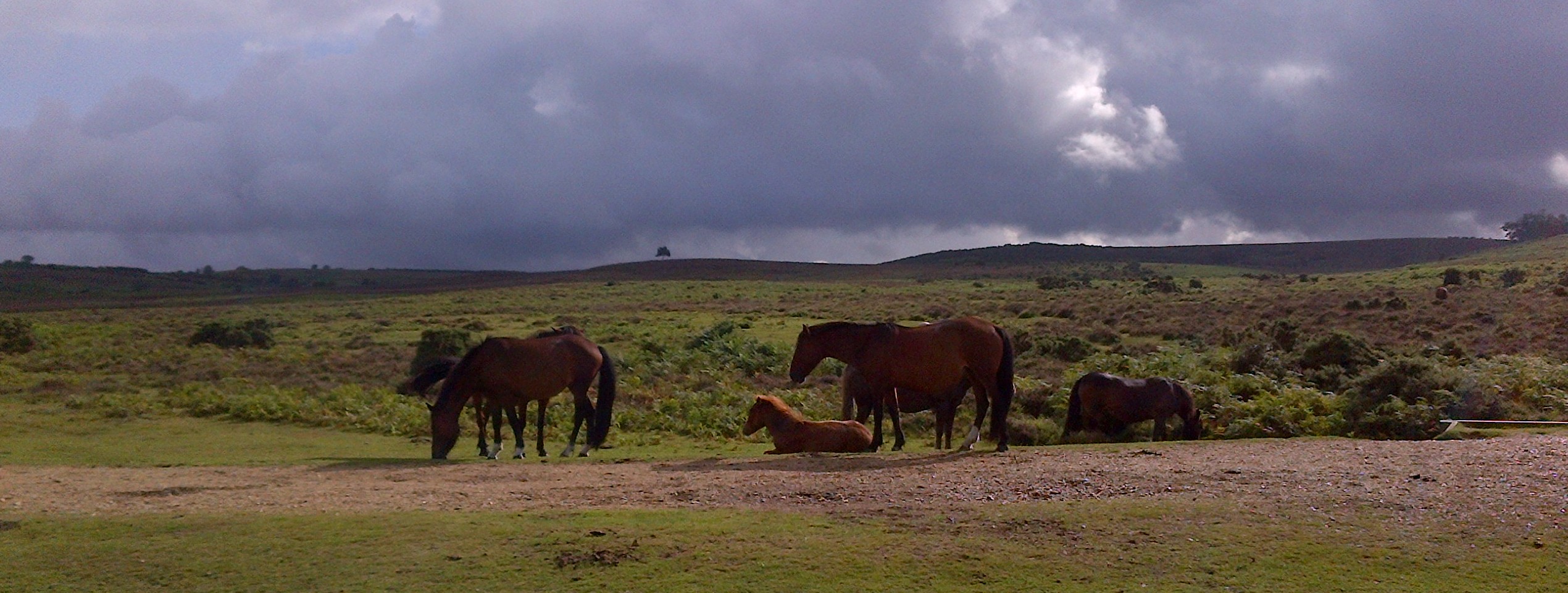
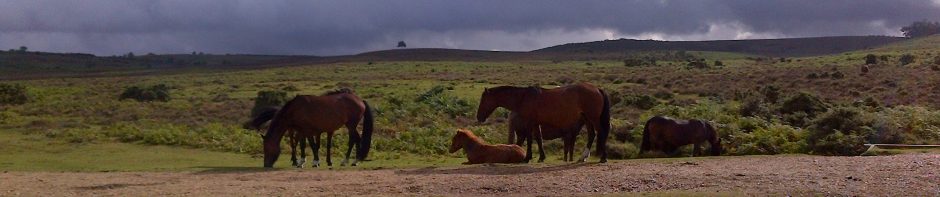
The New Forest ponies roam freely in small family groups that are cooperative and highly social.

The New Forest ponies roam freely in small family groups that are cooperative and highly social.

I’ve been travelling to London a lot recently for meetings and business functions. Travelling in and around our nation’s capital and waiting for trains at mainline railway stations gives one the most marvellous opportunity for ‘people watching’. Watching people has to be one of the most underestimated forms of enlightenment and entertainment there is. Waterloo Station, for example, is the busiest station on the network (by passenger usage) and provides ample opportunities to observe human behaviour in all its forms. If you watch closely, for example, you’ll notice that even as travellers rush, crisscrossing through the throng of other people on the station concourse no one collides with anyone else. I’m sure there must be a scientific explanation or name for this phenomenon but what it demonstrates to me is that, deep down, the human species likes to co-operate with one another and avoid conflict.

Yesterday I was sat at a table on a train and four foreign visitors, of mature years, got on and sat at the table opposite me. They had quickly stowed their coats and shopping bags in the overhead compartment before taking their seats. The train had not gone too many stops down the tracks before a large black coat fell down from the storage above and completely enveloped one of the elderly women, giving her a great fright. Her female companion jumped out of her skin emitting a shrieking sound. I can only assume from their reactions that the women thought they were under attack from a panther or some such creature. In the split seconds before this commotion unfolded I was vaguely aware of the falling coat and so was not alarmed. Instead my reaction was to burst out laughing because it was so funny. I laughed uncontrollably and out loud, until tears blurred my vision. The two women were hugely relieved and they also began laughing. In fact a lot of the passengers around us began laughing too and the atmosphere in our carriage was good humoured. After that everyone on our compartment said goodbye to each other as they left the train.

This incident made me think that no matter how sophisticated we believe we are, our instincts and reactions to perceived danger remain primeval. It also demonstrated that we have the ability to rapidly form social bonds even with complete strangers or those who do not speak our language. Then I began to think of other benefits our ‘primitive’ behaviours might provide.

If you study the behaviour of the wild ponies of the New Forest you will quickly see that they too like to avoid conflict and practice co-operation with one another. They are herd animals after all and live in highly developed social groups. It is these shared behaviours I believe that make horses and humans companionable. We are able to domesticate and train horses and ponies because, like us, they want to avoid conflict and be sociable. Obviously we also provide protection, health care and nourishment to our equine friends, whilst they provide us with companionship, entertainment and utility, which is a good motivator for inter-species coexistence. As Charles Darwin once said “In the long history of humankind (and animal kind, too) those who learned to collaborate and improvise most effectively have prevailed.”

london station london underground

Images courtesy of: http://www.freeimages.co.uk


Posted in New Forest Commoner | Tagged , , , , , , , , , | Leave a comment

New Forest: Horses for courses in bogs and mires

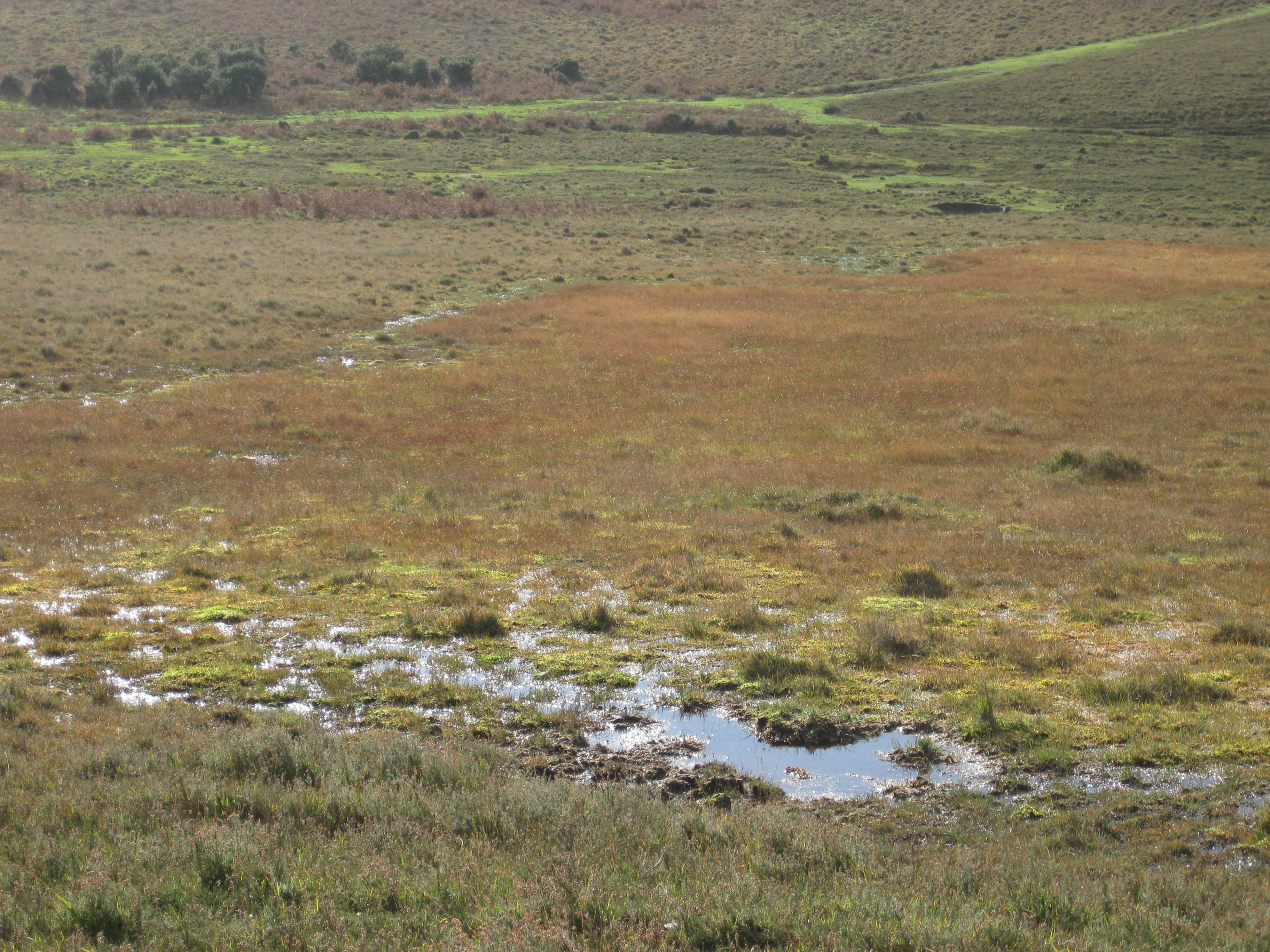
The bogs and valley mires are important New Forest habitats.

The bogs and valley mires are important New Forest habitats.

I’ve had to change my routine recently (October 2013). It happens whenever I have given my dogs their monthly spot-on flea treatment. The treatment contains moxidectin and is highly toxic to aquatic organisms. So, for a week or two my dog-walks avoid any surface water on the New Forest. The New Forest contains streams, ponds, and mires, as well as coastal saltmarshes that are among the most important habitats in Europe. The mires are an undulating carpet of hummocks and hollows that support many delicate plant species. Habitat destruction and drainage have made many of these species rare or uncommon in Britain. Within these mires are often found pools that were formed by bomb craters or deliberate excavation, whilst some seem to occur naturally. These pools are reservoirs that serve as drinking-stations to the free-roaming animals and wildlife on the Forest. Mires are a significant resource for plants, animals, birds and insects. I feel it’s important, even in my own small way, to preserve the quality of the water upon which so many species depend.

Horses for courses
The New Forest ponies that are turned-out on the Open Forest have an in depth knowledge of the terrain within their territories and the resources available to them. This ability makes them sure-footed mounts and practical to keep. Another commoner once told me a story about a friend she had who bought a very smart Thoroughbred horse. The friend would boast about the many abilities of her horse and became something of a bore on the subject. The commoner had New Forest ponies of course. Whilst out on a ride, with her friend on the Thoroughbred horse, the pony on which she was riding refused to cross a patch of ground. Her friend sensing an opportunity to demonstrate the superiority of her mount rode her Thoroughbred forward and straight into a bog. The New Forest pony had sensed that the ground was not firm enough to travel on, which is why it refused. The friend was hugely embarrassed but no harm was done other than wounded pride. The ommoner was reminded of the expression ‘horses for courses’.

It could have been worse. John Wise, writing in the mid-19th century reports that bogs and mires on the New Forest swallowed up men, horses and carts. He also tells of  a veritable being, who causes the Forest colts to stray…. This tricksy fairy, so the Forest peasant to this hour firmly believes, inhabits the bogs, and draws people into them, making merry and laughing at their misfortunes….’

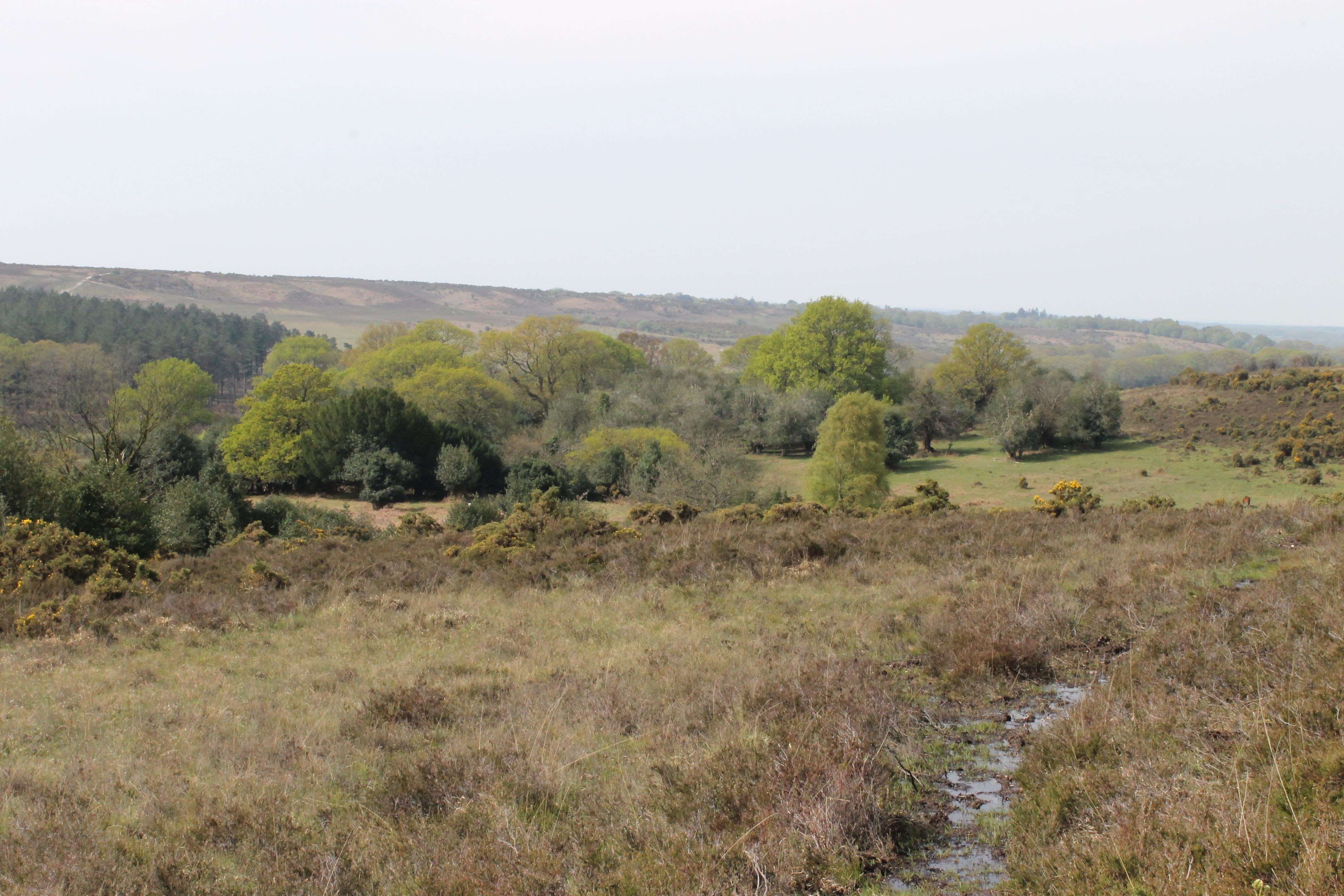
The New Forest contains streams, ponds, and mires, as well as coastal saltmarshes that are among the most important habitats in Europe.

The New Forest contains streams, ponds, and mires, as well as coastal saltmarshes that are among the most important habitats in Europe.


Posted in New Forest | Tagged , , , , , , , , , , , | Leave a comment

New Forest: when wildlife and road traffic meet

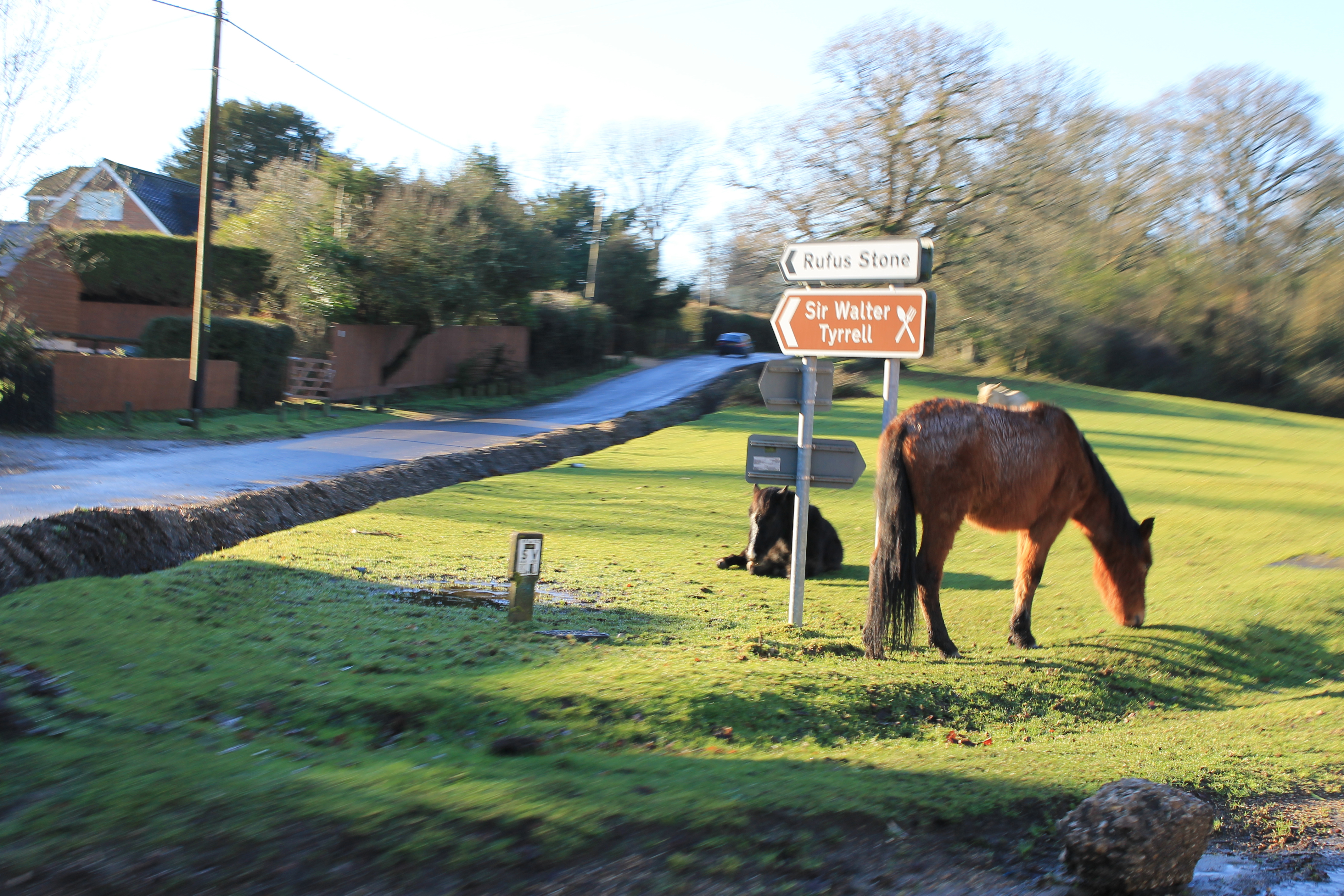
The New Forest ponies are free to roam and like other travellers use the roads to get from A to B.

The New Forest ponies are free to roam and like other travellers use the roads to get from A to B.

The New Forest is a landscape of scenic beauty where the wildlife is diverse and the iconic New Forest pony, cattle, donkeys (and pigs during Pannage) are turned out to roam freely. It is a working landscape that has been cultivated and ‘managed’ for centuries. Today, around 15 million day visitors visit the New Forest, predominantly for recreational or leisure activities, providing vital economic and social benefits to the area. But with these benefits also come disadvantages. With the vehicular traffic generated by tourists, commuters, and goods vehicles travelling on the roads that transect the Forest, it is unsurprising that commonable animals and wildlife are involved in road traffic accidents.

Tawny owl casualty
One wildlife casualty I encountered recently was a dead tawny owl. She was lying beside the road and at first I thought the body was that of a pheasant. As soon as I realised what it was I stopped to pick it up. She had no identification leg-rings. I guessed it was a female because of its size. Her croup seemed to be full and her keel plump. All in all she seemed to be in good condition. I can only assume that the owl had been in collision with a vehicle and been killed. The reason I picked up the dead owl was to send it to the National Bird of Prey Hospital at the Hawk Conservancy Trust, in Andover. They have a research project that analyses the distribution and frequency of raptor mortality factors. The owl would also be examined and samples taken to establish if any pollutants, such as lead, were present in its body. Through this project the Trust is hoping to take a proactive role in developing methods to alleviate raptor deaths and injuries. The death of this beautiful owl, whilst sad, meant that at least useful data could be gathered, which would inform scientists and conservationists about the wild raptor population.

Road traffic collisions
The deaths of our free-roaming animals, due to road traffic collisions however, are without such consolation. What is shocking is that some of these collisions are not *reported and sadly the animal may be left dying, and in pain or distress, until its predicament is discovered. Many of these accidents involve the free-roaming ponies and the majority occur at night. While driving through the Forest recently (September 2013) the sight of a yellow ‘Animal Casualty’ warning triangle beside the road alerted me to the scene of an accident. A roan mare had been killed. It made me sick to think that she might have been one of the ponies from the herd that I see regularly.  It was a stark reminder to me of one of the risks I will have to face when I start commoning and turn out my own ponies onto the Open Forest. One of my animals could become involved in a road accident and possibly be killed. I will use reflective collars in an attempt to make my ponies more visible but ultimately the fate of my ponies will be in the hands of the vehicle drivers.

Animal road deaths
Other Commoners I talk to accept that between 1-2% of all stock turned out on the New Forest each year will be involved in a road accident. With winter fast approaching the days are getting shorter. The clocks are due to go back at the end of October and the darker, longer evenings are inevitable. During periods of ice and snow the tactics employed to keep the road user safe through the Forest can often result in peril for the ponies. When the gritting lorries are out, ponies can often be seen on the newly treated roads using them as an extended salt lick. This brings the ponies directly into the paths of road traffic as they seek nutrients in the leaner months, often with lethal results. The accident figures for the first half  of 2013 make grim reading with nearly twice the number of incidents as reported in the same period last year. With the darker months ahead of us one wonders exactly how bad the final tally will be.

*There is a reward of £1000, offered by the Verderers, for information leading to the successful prosecution of drivers convicted of ‘hit and run’ accidents involving a Forest animal. http://www.verderers.org.uk

Animal casualty IMG_0021

Posted in New Forest, New Forest Commoner, New Forest pony | Tagged , , , , , , , , , , | Leave a comment

Chinese sky lantern lights up conflicts of need on New Forest

The New Forest is a landscape of irreplacable habitats.

The New Forest is a landscape of irreplacable habitats.

For me, having access to the New Forest is such a privilege. It appeals to and rewards all of my senses. The Forest contributes enormously towards my physical, mental and emotional wellbeing. If I’m not able to visit for a day or more I start pine. I long to be there, in the company of my dogs or my horse, or with the people whose knowledge and intimacy with the Forest bring it alive for me. The more I experience, the deeper grows my attachment. The more I learn, the more I am enthralled. I started this blog to chart my progression from novice to practicing commoner and to share my passion for this ancient landscape. My aim is to help to preserve the traditional practices and rural landscape that make the Forest so special and to ensure that they are preserved for future generations.

The New Forest is more than just a National Park. It is a time capsule for nature. Colin Tubbs summed it up succinctly in his book ‘The New Forest’ (2001 ed).  ‘The New Forest has evolved to be an area of international importance – and Britain’s richest ‘nature reserve’. This popular, accessible and beautiful stretch of Hampshire countryside has an appeal far beyond local interest, for it is unique on a world scale. The unparalleled diversity, extent and pattern of its habitats in the favoured climatic position, shelter an incredible variety of plant, insect and animal life. The ancient woodlands, heaths and mires are all rare and precious habitats. The pasture woodlands – with no counterpart elsewhere in Europe – are all we have to show for what Britain must have been like when vast Atlantic forests covered the land thousands of years ago. And because of the protection afforded by its royal status and common rights, and the Forest Verderers, the New Forest is a recognisable piece of medieval England that has actually survived, more-or-less intact, for some 900 years.”

The New Forest is one of the smallest National Parks in the country but situated amongst a highly populated area. There are bound to be issues and conflicts of need. I quite often find my walks on the Forest turn into ‘litter-picks’. All manner of detritus of modern-day life is left upon the ancient landscape. My most significant find, to date, is a used Chinese Lantern, which I found hanging under a gorse bush. Whoever lit it and watched it float away over the ancient landscape was lucky not to have started a wildfire.   The consequences don’t even bear thinking about. I expect the people who bought it, built it and lit it are really nice people. Deep down. But in that moment they only cared for their own needs.

Yes, the New Forest is a National Park but this does not mean that it is like the park at the end of your street or in the city. Rights to roam and freedom of access were never meant to equate to ‘trample where you please’ and ‘I can do what I like for my own enjoyment’. Of course people should be able to visit the Forest and feel the same benefits to their well being that I feel when I am there.  But people need to think of the New Forest more as a ‘nature reserve’ rather than a ‘play park’ and behave accordingly. This way people will be motivated to protect the integrity of the New Forest as the irreplaceable resource for wildlife habitats that it is.

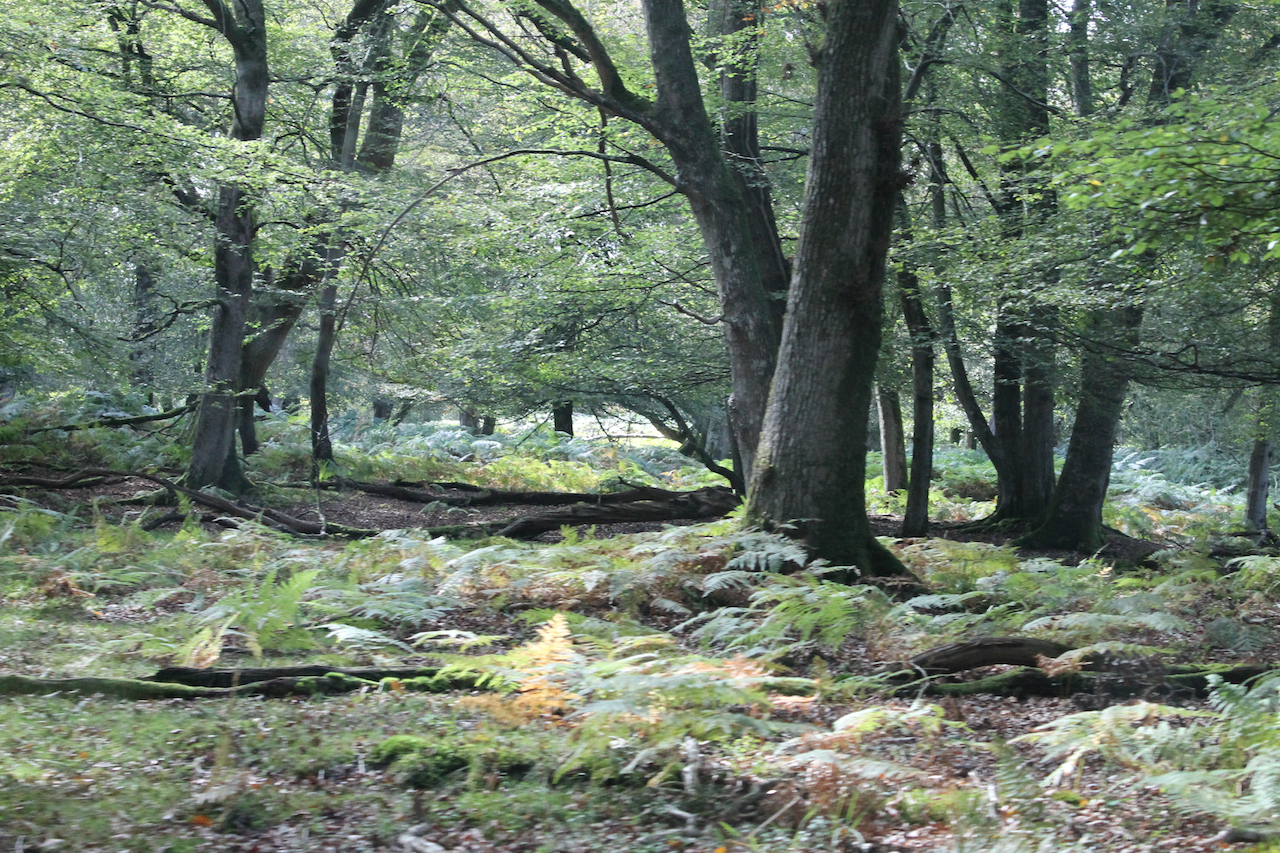
The New Forest landscape supports many species of plants, insects, birds and mammals. It should be valued as a reserve for nature.

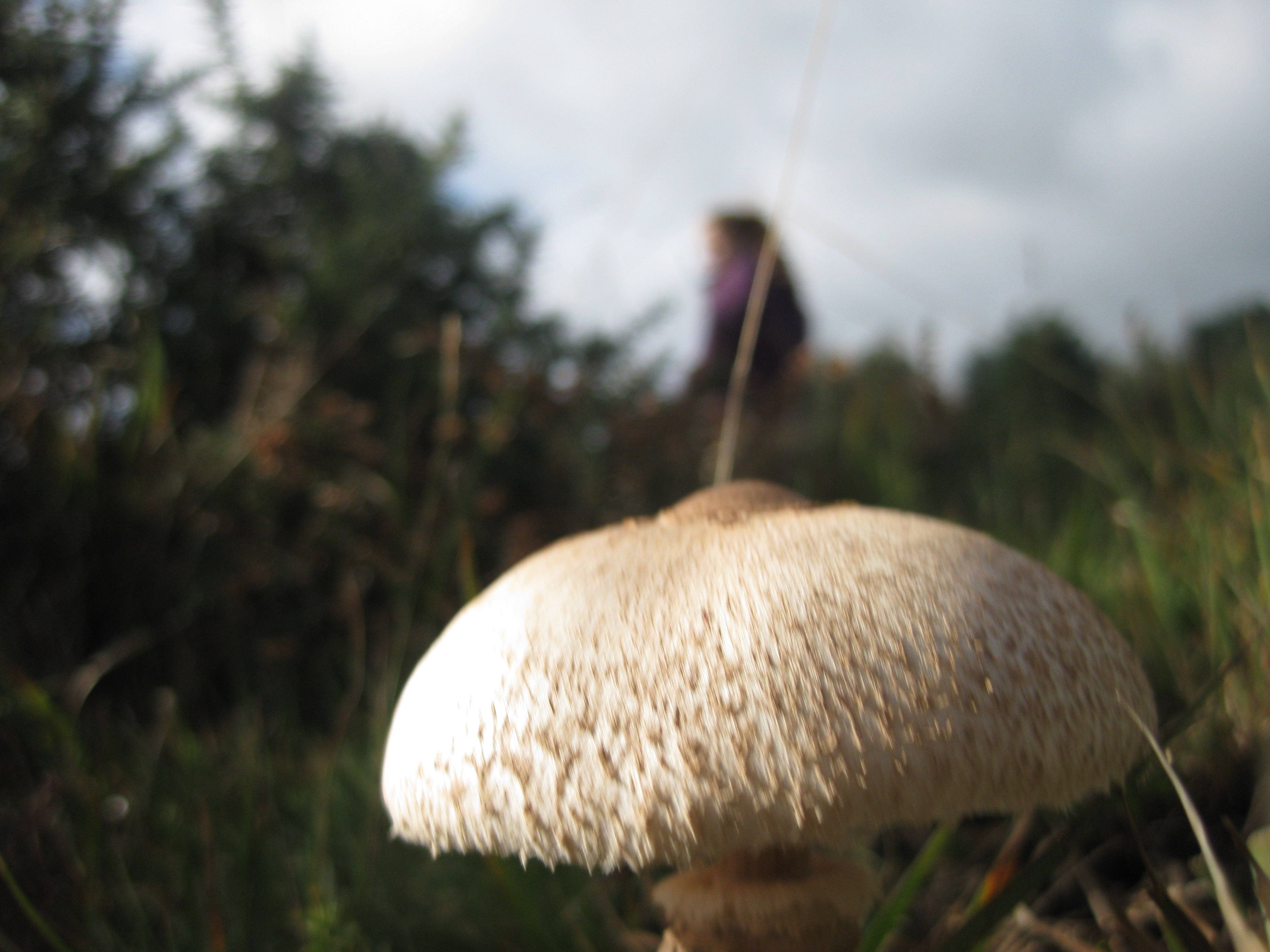
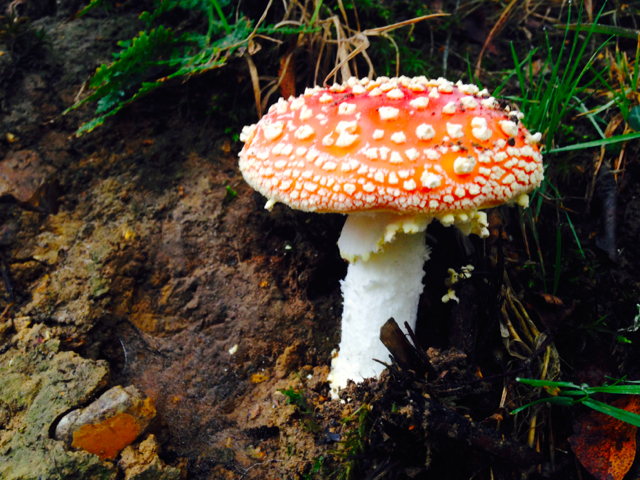
The New Forest landscape supports a diverity of species including fungi, plants, insects, reptiles, birds and mammals.

Posted in New Forest | Tagged , , , , , , , , , , , , | Leave a comment

Learning to be a Commoner on the New Forest

The formal livery and ritual employed at the Verderer’s Court serves to preserve and maintain the cultural practices of the New Forest.

The formal style of  livery and the ritual employed at the Verderer’s Court serves to preserve and maintain the cultural practices and traditions of the New Forest.

I recently had a meeting at the Verderer’s Office in Lyndhurst to progress my status to a ‘practicing’ New Forest commoner. The Verderer’s Clerk, whom I met with, was very friendly and answered all my questions with cheerful enthusiasm. I was even given a tour of the Verderer’s Court and got to see where the Forest laws were made.

The Verderer’s Court is held in the Verderer’s Hall, a very impressive room within Queen’s House. This principal Manor House in Lyndhurst has been welcoming monarchs, who came to hunt in the Forest, since the Middle Ages. The building is now headquarters to the Forestry Commisson and is the legal venue of the New Forest. The medieval decor and the stately atmosphere of the Verderer’s Hall embodies the history and traditions of the people living in the New Forest. When the court is in session the Agisters wear full livery and business is conducted in the customary manner that would have been used in bygone days. The formal livery and ritual employed at the Verderer’s Court serves to preserve and maintain the cultural practices of the New Forest.

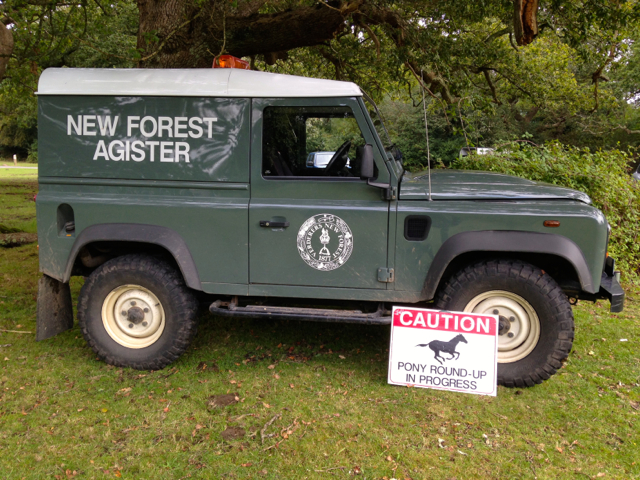
Commoning on the New Forest is a pragmatic enterprise as well as a traditional one. People with ‘Rights of Common’ graze their animals communally and help each other to care and look out for them (although the welfare of each animal is the responsibility of the owner). The Agisters, who are appointed by the Verderers, deal with the daily management of stock on the Forest and work with the commoners to ensure high standards of animal welfare. Any animal ‘depastured’ on the Forest must have a mark or brand to indicate ownership, which makes it easier for the Agister to trace the owner should the need arise. In the autumn during the pony drifts the Agisters will cut a slice out of the tails of the ponies rounded-up to indicate that the owner has been charged for the annual grazing fee.

A few days after my meeting in Lyndhurst I received a letter from the Verderers Office with a copy of ‘The New Forest (Confirmation of the Byelaws of the Verderers of the New Forest) Order 2010’. I will read and digest the six page document to make sure that I comply with the rules. However, knowing the rules of the commoning does not make one a commoner! Knowledge of the traditions, customs and cultural practices of being a commoner are also important but there are no handbooks, guides or written codes of ettiquette to learn from. Luckily, the commoners I have met are incredibly friendly, generous people who are willing to impart their knowledge and give me the benefit of their experience. They do not seem to mind having a novice such as me in their midst. Many have grown up with this way of life and have inherent knowledge of its customs and practices. It’s in their DNA. For others, like me, who became almost accidental commoners the memory of being the newcomer still comes back to them and I feel their sympathy.

All of the commoners I have met so far have been pleased to welcome me into their community. Commoning, I now realise, is a hugely social activity. I will be attending more pony drifts over the coming weeks and I really look forward to meeting more people. Of course the whole point of commoning is to actually run ponies on the Forest and so I will take the opportunity to look out for the beginning of my own herd amongst the ponies brought in on the round-ups.

Meeting up with other commoners, such as at the annual drifts, is a good way to learn about commoning.

Meeting up with other commoners, such as at the annual drifts, is a good way to learn about commoning.

Posted in New Forest Commoner | Tagged , , , , , , , , , , , , | Leave a comment

Pony Drifts: round-ups New Forest style

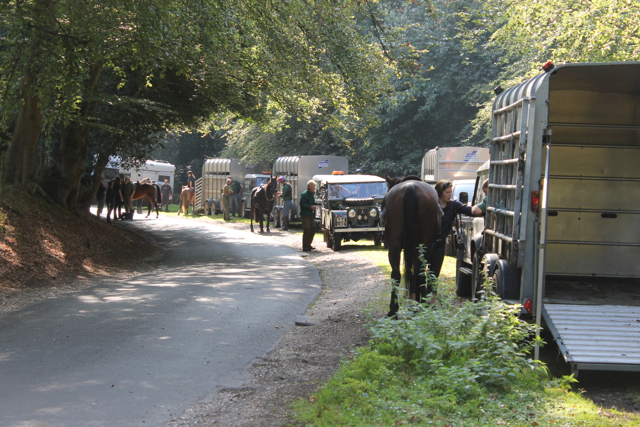
The Agisters control the drifts and direct the commoners who assist with the round-up.

The Agisters control the drifts and direct the commoners who assist with the round-ups.

For me, one of the most exciting activities held on the New Forest has to be the series of annual round-ups known as ‘drifts’.  The objective at these round-ups are to sort out the ponies either for removal from the forest, branding, worming and tail marking. The Agisters and commoners work as a unit to gather up the ponies. There are generally about 40 drifts, conducted between August and October, which take place across all the areas of the Forest. The drifts are highly organised events, conducted by the Agisters with the support of the commoners – all on horse-back.

Team work on the Forest
There is a thorough briefing prior to the drift, at which the Agister explains his intentions and directs the commoners.  The riders work in teams herding the ponies towards stock pens, known as pounds, where commoners on foot are deployed to receive them. The drift is incredibly fast-paced, with dozens of ponies driven at full gallop through the Forest. These wild ponies are really canny and will exploit any gap in the stock pens or weakness in the chains of people channelling them towards captivity, in order to escape. There is hardly any margin of error as the whole event is literally an organised stampede!

Getting the ponies into the pound
As a spectator, the first that one is aware of the oncoming ponies are the distant shouts and whooping from the riders as they drive the herd on. Then comes the hammering sound of galloping hooves, which get louder as the ponies approach. When the ponies come into view they are charging at full pelt with the riders in pursuit. It is the job of the commoners on foot to prevent the ponies from breaking through their lines by shouting or waving their arms to channel them towards the pound. The ponies pour into the pound snorting and whinnying but quickly settle down and begin looking around.

The gate-keeper
Of course one has to have huge admiration for the riders and their mounts who cover the terrain quickly and nimbly whilst chasing a galloping herd. However, without a doubt the person who gets my full admiration on the drift is the man who is in charge of the gate to the pound. He needs to be in the right place at the right time otherwise the drift could fail. His timing has to be perfect. He has got to let ponies into the pound without letting ponies previously captured escape.

New Forest pony drifts
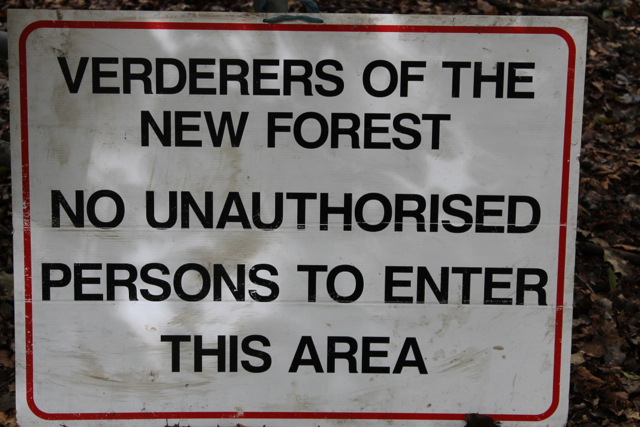
By working cooperatively in this way it is much easier for the commoners to gather up their ponies. Lost opportunites to catch and check stock are incredibly frustrating, as it may some time before the ponies can be caught again. The pony drifts have always held a fascination for the many tourists who visit the New Forest. Unfortunately, in recent years curious holiday-makers have jeopardised the success of the drifts and compromised their own safety as well as that of the Agisters and commoners. Notices are now posted warning when drifts are in progress to keep all but the authorised participants away.

Curious holiday-makers have jeopardised the success of the drifts and compromised their own safety as well as that of the Agisters and commoners.

Curious holiday-makers have jeopardised the success of the drifts and compromised their own safety as well as that of the Agisters and commoners.

IMPORTANT NOTE: The Verderers of the New Forest have announced that the ‘drifts’, or pony round-ups, are an essential part of the management of the semi-feral herd to maintain the health and welfare of the ponies.

For their own safety, members of the public are urged to avoid the area of the drift on the planned dates.

The dates of the #NewForest drifts are advertised to alert visitors and road-users to beware, NOT as an invitation to attend. #workingforest

Posted in New Forest Pony Drift | Tagged , , , , , , , , , , | Leave a comment

The colours of the New Forest

The colours that nature paints across the New Forest landscape are just beautiful.  The colours that nature paints across the New Forest landscape are just beautiful.

The colours that nature paints across the New Forest landscape are just beautiful.

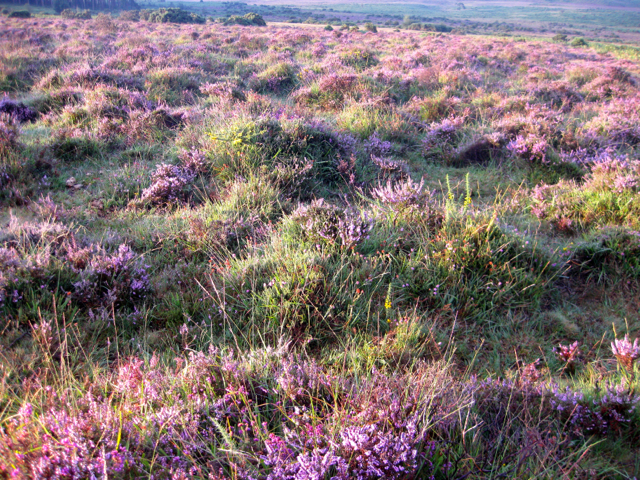
I love the autumn. The colours that nature paints across the landscape are just beautiful. On the New Forest heathland at the moment one can see large blocks of purple from the heather that dovetail with the green of the bracken and the darker green of the gorse. This morning I was even treated to a sky tinged with lilac and orange from the rising sun.  It is hardly possible for a camera to accurately convey the hues and tints that the naked eye can see, and a photograph could never generate the living atmosphere of the Forest.

The heathland of the New Forest, which presents such a scene of natural harmony has been ‘managed’ through the practice of commoning for centuries. The grazing of ponies and controlled burning by the commoners has ensured that larger species of scrub and trees could not invade. Heather, bracken and gorse were important natural resources from off the heathland. Ling heather, particularly, had many uses, such as basket-making, brushes and besoms, rope-making, bedding, dye, fuel, thatching and wattle. The flowers could be used to make a satisfying tea or heather ale.

Bracken was used for roofing, bedding for livestock or mixed into their feed for bulk. Even the prickly gorse could be harvested with care and was used for fuel or fodder during the hard winter months. The flowers from the gorse could also be used to make a variety of white-wine. The utility of the heathland vegetation to the commoning way of life has ensured its survival and with it the many species of insect, vertebrates, small mammals and birds that rely upon this unique habitat.

The Forest uses a palette of colours superior to any artist.

The Forest uses a palette of colours superior to any artist.

Posted in New Forest | Tagged , , , , , , , , , , , , , | Leave a comment
Riding in the New Forest is one of the best ways to experience the landscape.

Riding in the New Forest is one of the best ways to experience the landscape.

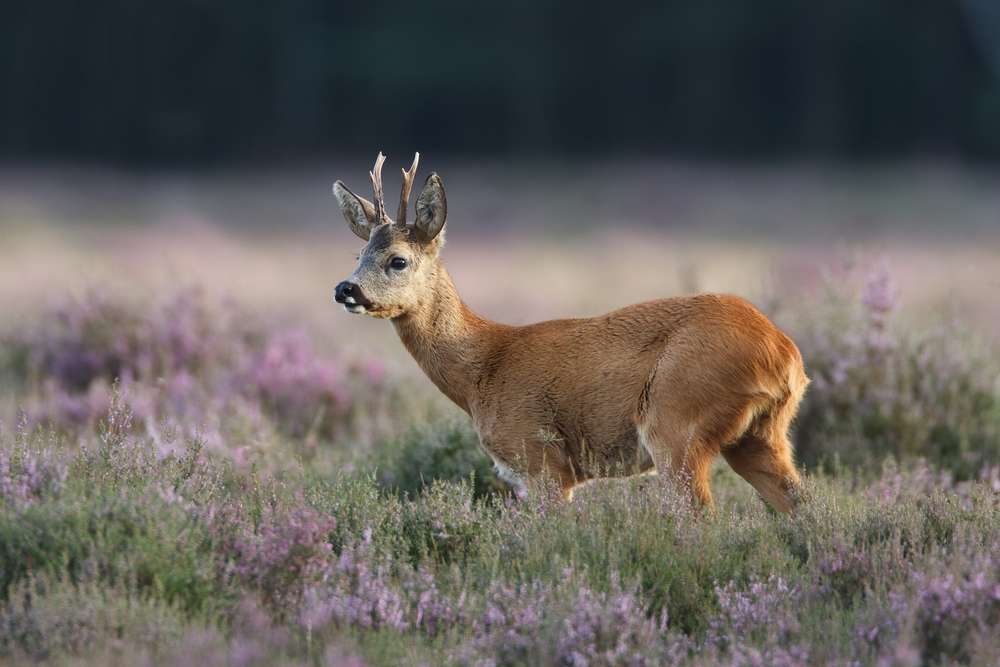
Seeing the New Forest from the back of a horse has to be one of my favourite ways to view the magnificent scenery. There is an added advantage in that one can get much closer to the wildlife. The wild ponies are certainly unaffected by the sight of a ridden horse (except perhaps during the drift season) and the roe and fallow deer are more tolerant of a rider, as opposed to a human on foot.

Seeing the Forest from atop a horse-drawn carriage is another favorite mode of transport of mine. The benefit of being higher up means that you are able to view greater distances and see over the gorse and bracken. However, the clatter of wheels on gravel and the jingle-jangle of harness will probably cause most of the wildlife to bolt due to the unaccustomed noise and, indeed, sight of a horse and carriage. Some of the wild ponies, particularly the younger ones, are most perturbed by seeing what they must surely interpret as a horse being chased by a growling, rattling monster!

When carriage driving recently I was able to watch a pair of European buzzards floating on a breeze that was lifting them up over a valley. As the track I was following crested the top of the valley the pair descended and I was able to look down and view them from above. It was amazing. These fabulous raptors are now the most common and widespread bird of prey in the UK. The plaintive cries of the buzzard is often the sound-track that accompanies me when I’m out on the Forest.

Being able to ride and carriage drive on the Forest, where the tracks offer miles and miles of car-free enjoyment, is such a pleasure. These traditional forms of transport, which are eminently suitable for the versatile New Forest pony, are the best ways to explore and amplify the atmosphere of the Forest.

New Forest ponies make great harness ponies.

New Forest ponies make great harness ponies.

Posted on by newforestcommoner | Leave a comment

New Forest: Lake of Avalon

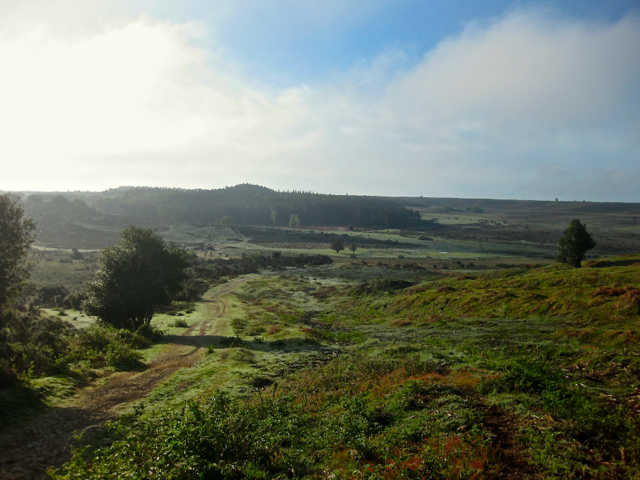
At this time of year the autumnal mists hang between the valleys and give the appearance of the Lake of Avalon.

At this time of year the autumnal mists hang between the valleys and give the appearance of the Lake of Avalon.

Lives get busy. There’s always so much to do. Most mornings I take the dogs for a walk on the Forest and it’s my down time. My hour or so walking in the company of my Labradors is contemplative and reflective. If I were a spiritual person this would be my church. Since embarking on the road to becoming a New Forest commoner my walks on the Forest are a source of research. I’ve found myself becoming much more aware of my surroundings. I have begun to recognise some of the herds of, and even individual, ponies and cattle. My walks are taken in the part of the Forest that I will common. I am becoming familiar with the territory. I follow the herds and look for their ‘haunts’ (the areas they roam) and ‘shades’ (where they shelter from the elements).

The early mornings are magical. I virtually have the woods, groves and tracks to myself.  At this time of year the autumnal mists hang between the valleys and give the appearance of the Lake of Avalon. It’s still warm enough for a wearing a t-shirt, when the rising sun casts golden shadows across the landscape. There is a stillness that is restorative and the quiet of the dawn is broken only by the sounds of song birds and livestock.

As my working day begins and the stresses and irritations of modern life descend I am so grateful that I have such a place to escape to. I am looking forward to learning more about this amazing landscape and becoming acquainted with the people and animals who are its guardians and architects.

Early morning in the autumn is filled with mist and mystery.

Early morning in the autumn is filled with mist and mystery.

Posted in New Forest | Tagged , , , , , , , | Leave a comment