New Forest: different views of the same landscape

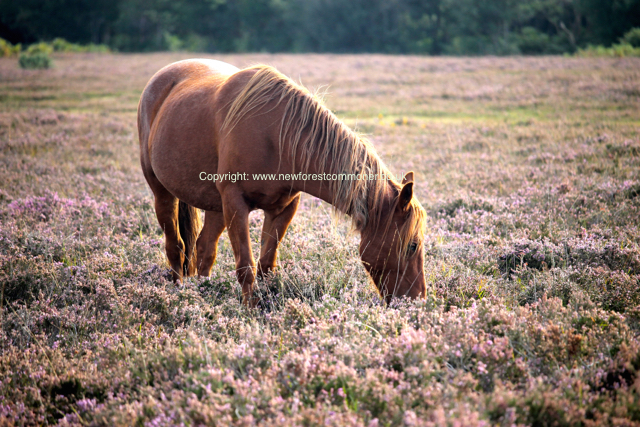
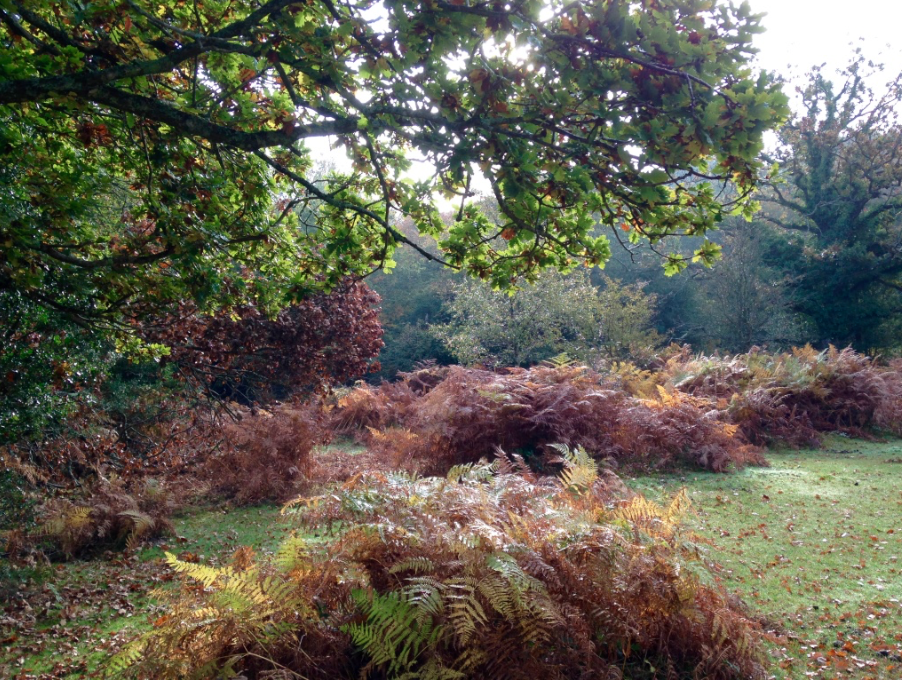
Mother Nature washes the New Forest with a palette of colours superior to any artist.

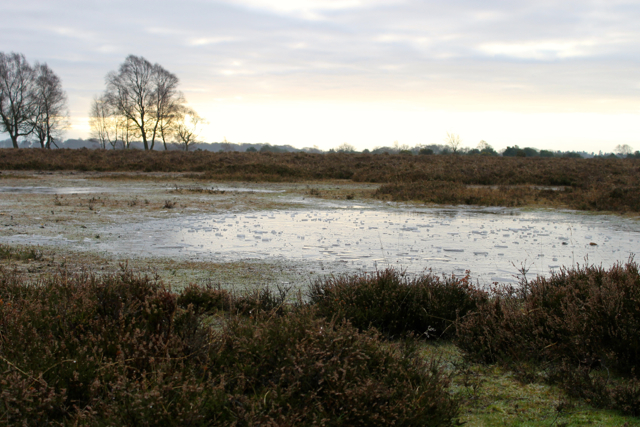
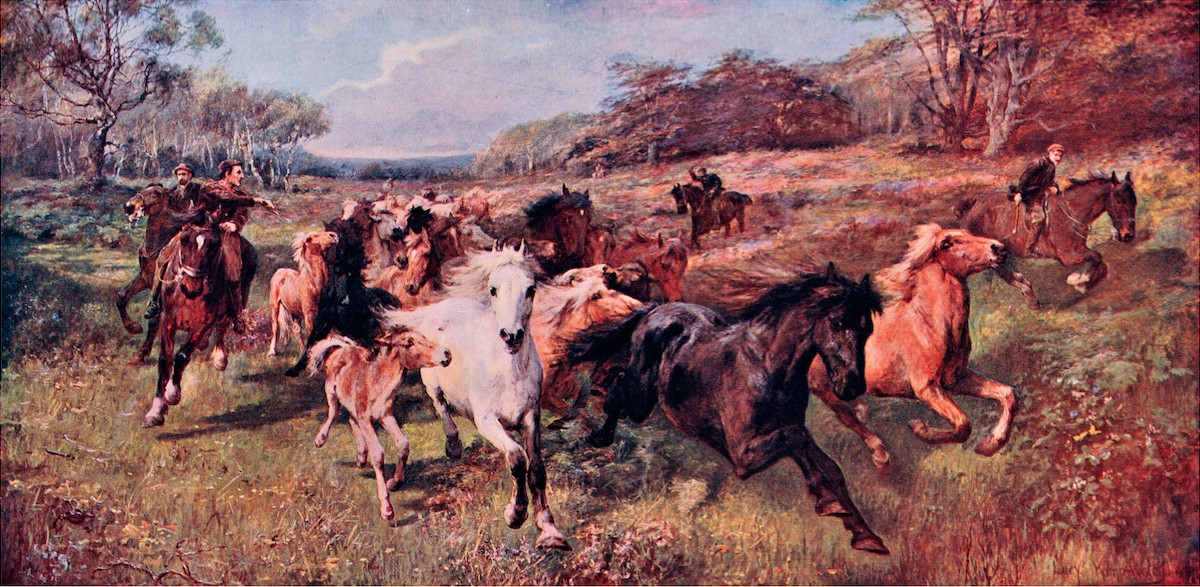
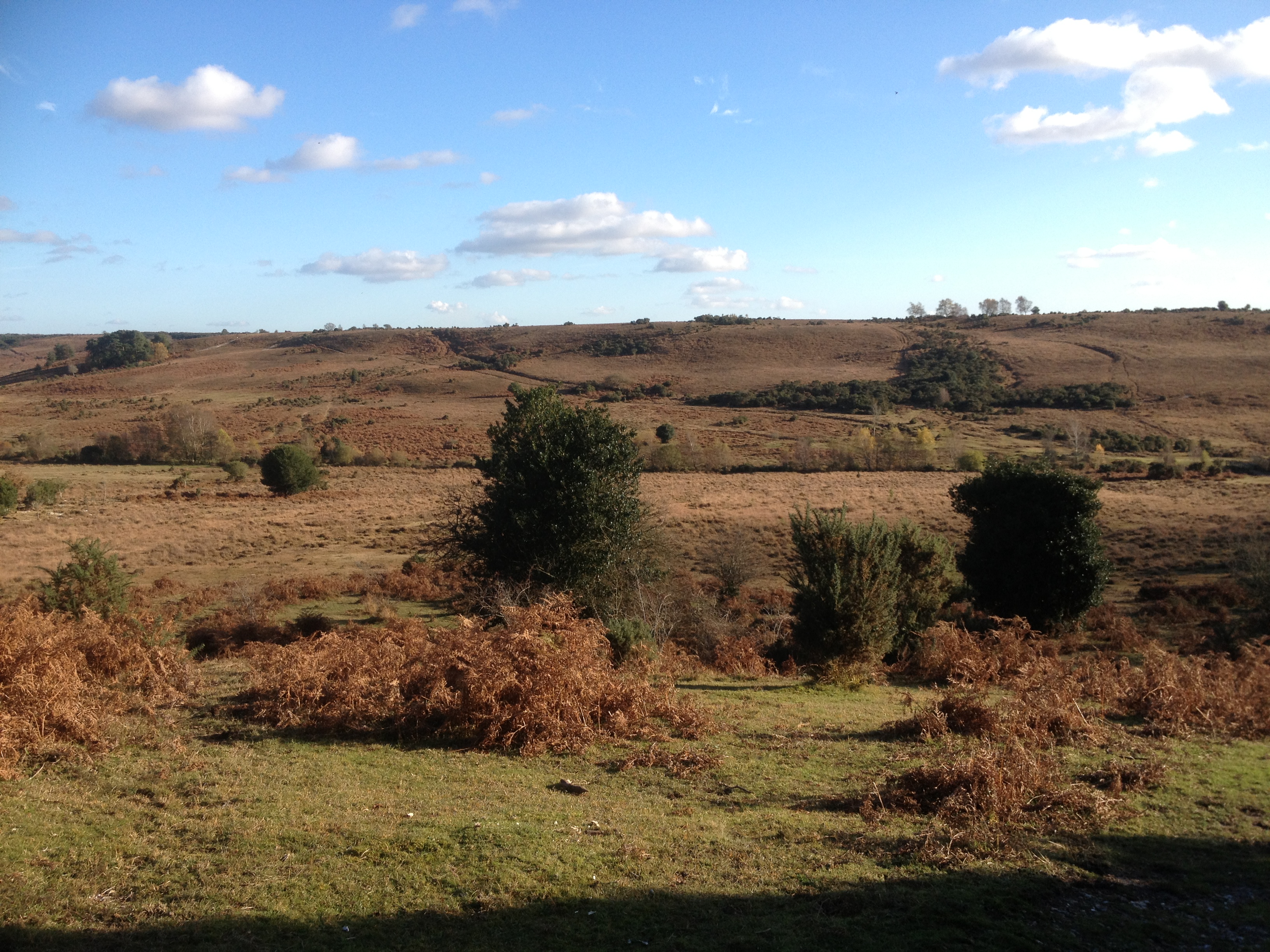
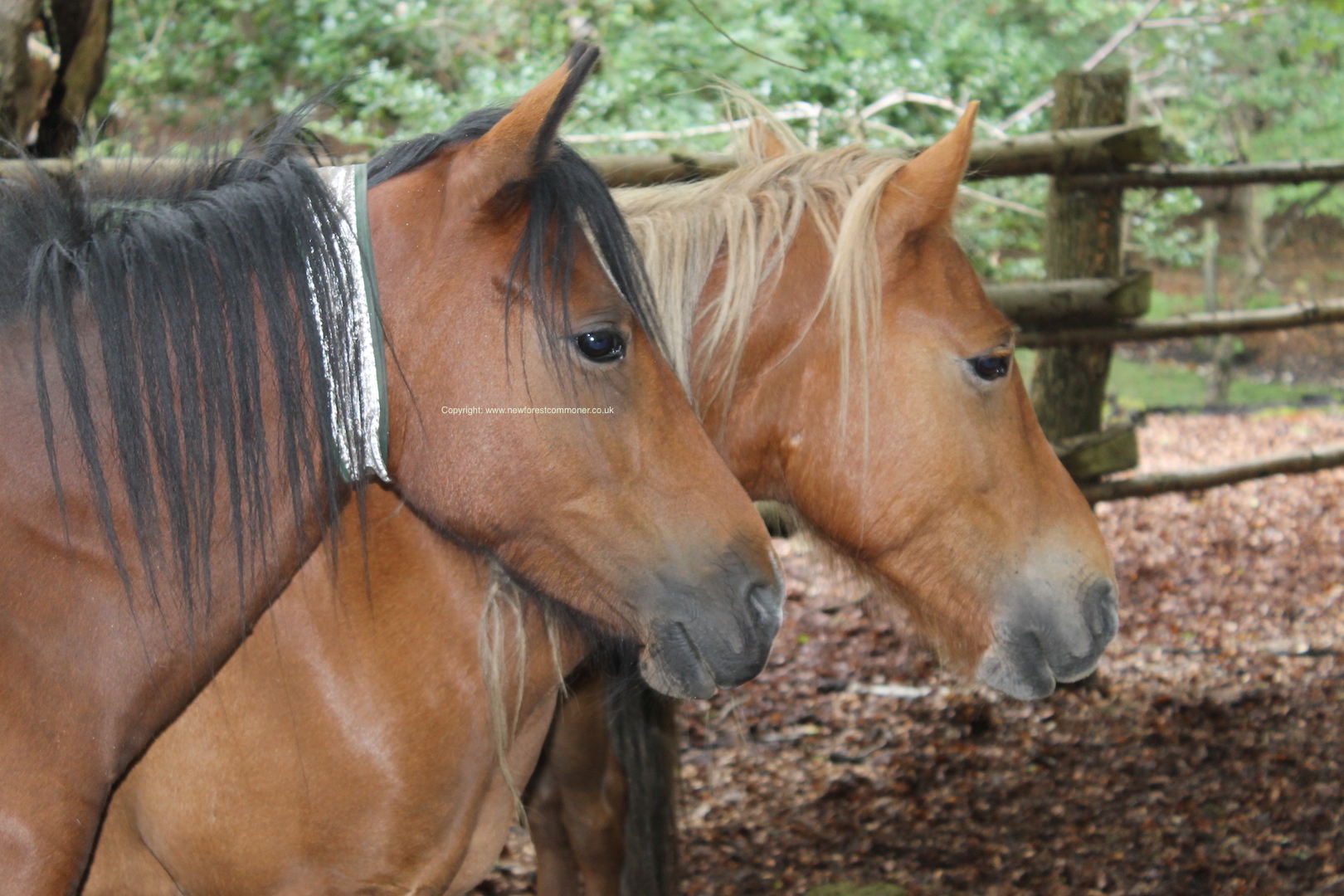
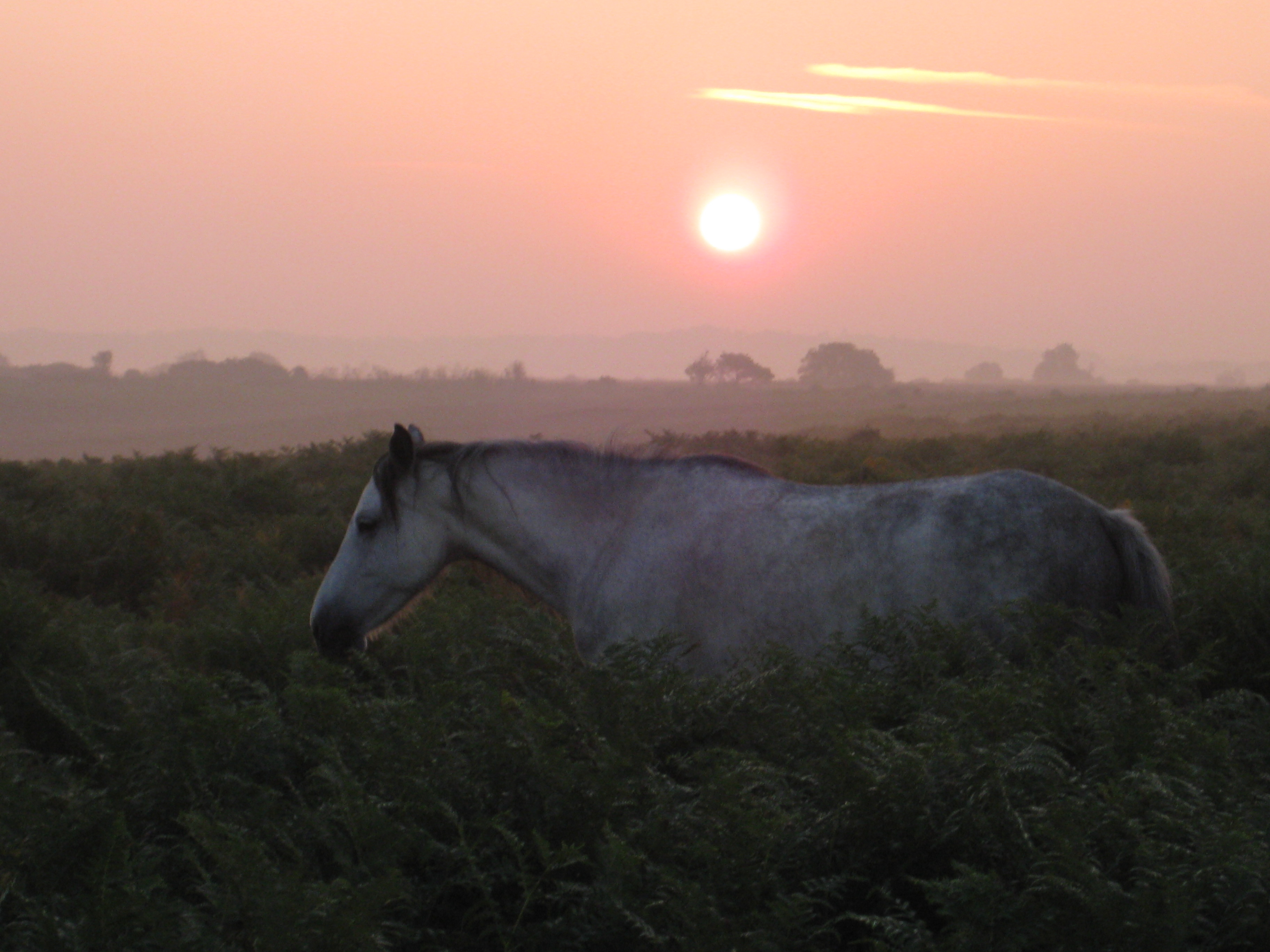
I have really been enjoying the sepia colours of the frost-covered Forest recently; and came across a passage in a book recently that stuck a chord with me because I felt that it summed up, quite poetically, the seasons on the New Forest. It was written by John Wise in 1863 and, like me, he must have passed through certain parts of the Forest on a regular basis to gain an understanding and appreciation its annual cycle, from spring through to winter. He described the view from Stoney Cross and said that; “here, on all sides stretch woods and moors. Here, in the latter end of August, the three heathers glory, mixed with the flashes of the dwarf furze. And a little later the maples are dyed, yellow and russet, by the autumn rains, and the beeches are scorched to a fiery red with the first frost, and the oaks renew, but the deeper and more gloriously, the golden lights of spring, till the great woods of Prior’s Acre and Daneshill burn with colour; every gleam of sunshine, and every passing shadow, touching them with fresher and stranger beauty”. Certainly, there is no doubt that Mother Nature is liberal with her use of the colour palette when applying it to the New Forest. I have seen such intense and vibrant colours across the landscape and its skies – at dawn and sunset; spring through to winter; and in rain, frost and sunshine – that if it were even possible to recreate their hues in a photograph or painting, you would not believe that they could appear so naturally.

Late spring and early summer frosts
Almost a decade before Wise made his observations about the scenic beauty of the New Forest, a report was presented to Queen Victoria’s Lords Commissioners of the Treasury that seemed to describe an entirely different vision of the landscape. It stated that ‘the climate of the New Forest is peculiarly damp and humid, and that it is subject to frosts, late in the spring and early in the summer’. It was felt that these ‘unimproved’ conditions were contrary to those required for the profitable growth of timber and, as a consequence, a programme of ‘improvement’ by a thorough system of drainage of the inclosures was recommended. This radical action it was stated, would make the climate of the New Forest ‘drier and more wholesome’. It was suggested that not only would excess water be removed from the soil but that drainage would also cleanse it ‘from any bad qualities naturally lodging in it.’ The Commissioners were informed that, in the opinion of the report’s author, the damp and uncongenial air of the forest would spread to the best-managed plantations and farm-crops on private properties in the surrounding neighbourhood. Drainage, therefore, was promoted as being in the public interest! Curiously, the presence of large quantities of trees already growing on undrained Forest soil were dismissed as ‘defective and inferior’; and the years of experience among the forestry staff (many of them commoners), in the management of the timber, was regarded as not having produced any ‘happy results’ and consequently their wealth of experience was ignored. Thankfully today we have a better knowledge of the Forest’s ecology and the wetland habitats of the Forest that are so vital to many species of animal, plant and insect. Many of the habitats that were devastated by the commercial activities of the past are, where possible, being sensitively and successfully restored.
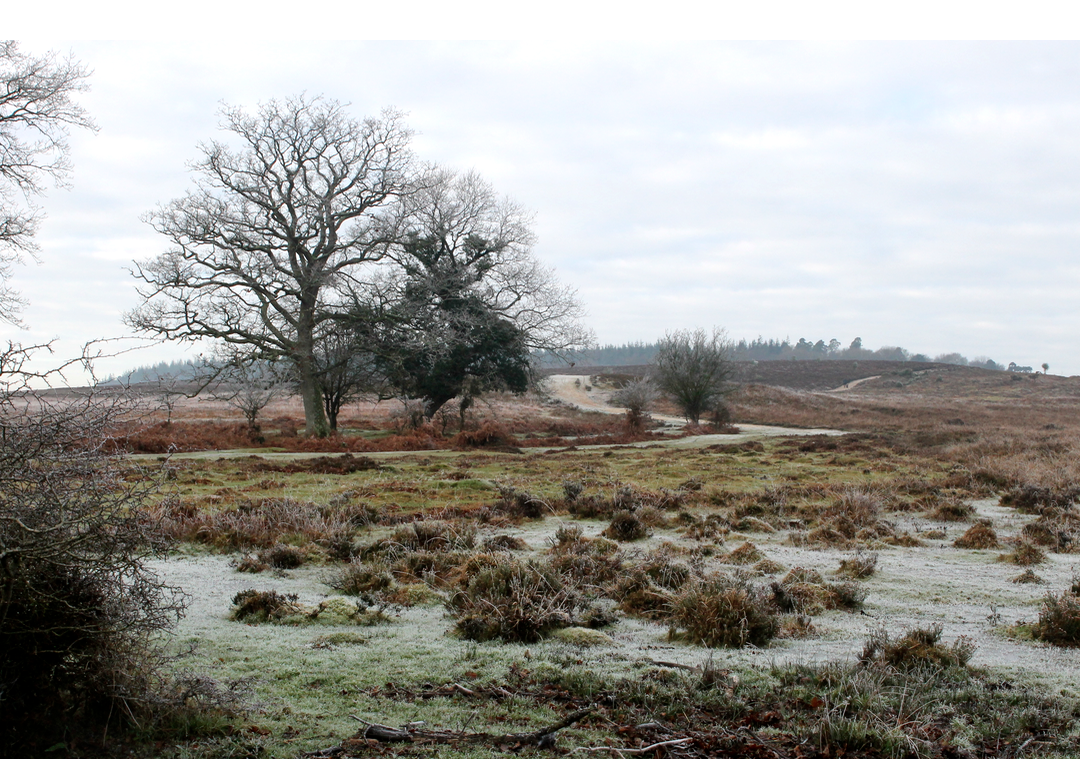
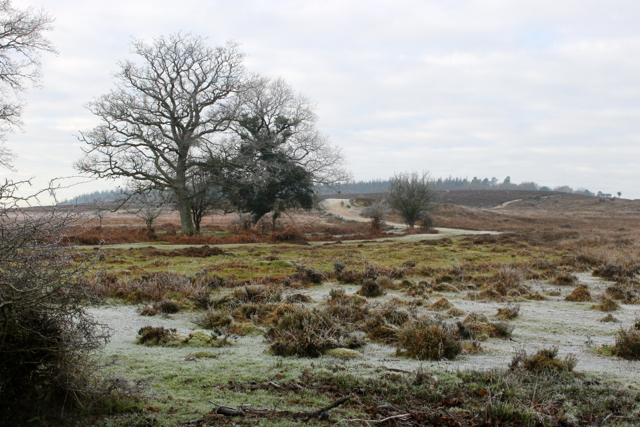
The climate of the New Forest was described, in 1854, as being prone to late spring and early summer frosts.

Sources:
John Richard de Capel Wise, The New Forest: Its History and Its Scenery (London, 1863), p. 110.

Accounts and Papers: Thirty Six Volumes (29), Woods, Forests, and &c., 31st January to 12th August 1854, Vol. LXVII, pp. 101-160.

For more information on wetland restoration in the New Forest:

Verderers of the New Forest: Wetland restoration information: http://www.hlsnewforest.org.uk/info/50/wetland_restoration

Forestry Commission – Sustainable Wetland Restoration: http://www.forestry.gov.uk/pdf/sw-casestudies-wetlandrestoration.pdf/$FILE/sw-casestudies-wetlandrestoration.pdf
Posted in New Forest | Tagged , , , , , , , , , , , , , , , , , , , , , , , | Comments Off on New Forest: different views of the same landscape

New Forest: cows, co-operation and community

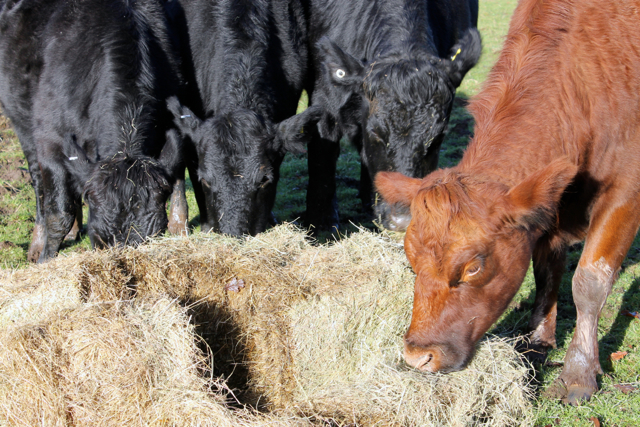
Keeping livestock demands 24/7 attention, even during the Christmas holiday season.

The Christmas-to-New-Year holiday period is a great time for catching up with friends and family and for spending quality time in their company. There is generally lots of feasting and merry-making to be done, which is often accompanied by generous amounts of snoozing in an armchair in front of the TV. For some people, however, the daily pattern of work is not interrupted, even by the festive season. Here I particularly think about my commoning friends, who, like other farmers, smallholders, shepherds and husbandmen, will be tending to their herds, flocks, packs, teams and colonies – according to the type of animal they keep – in much the same way as they do every day, but perhaps in the hope of some well-earned time off once the important chores are done. Some of the jobs around the farm, smallholding or estate cannot be mechanised and still rely upon the physical labour and observant eye of those tending to animals and crops, in much the same way as farmers of old would have done.

Mary Christmas
A few years ago I wrote an article about a calf, named Mary Christmas, whose story was somewhat exceptional. She was born, and orphaned, in dramatic circumstances on 25th December, hence her name. However, her entrance into the world demonstrated the level of cooperation that exists between the Forest folk, even on day that is supposed to be one of quiet ease. Due to the sacrifice of those who gave up precious time with their families to help care for her, she continues to thrive. Only recently I saw her in a field with several calves performing her duties as matriarch. She is a big sturdy animal with the sweetest temperament and is easily identified, being the only brown cow among an otherwise black herd of Aberdeen Angus cattle. In the spring when they all go out onto the Open Forest, she will assume the role of teacher to yet another generation of free-roaming cattle and show them all the best places to drink, eat, sleep and chew the cud. Her story, which has been read and appreciated by a worldwide audience, remains one of the most popular articles I’ve ever written. I often wonder if the reason for her popularity is that the story of Mary Christmas, as well as being a heart-warming tale of survival, also demonstrates the real community spirit that is part and parcel of the practice of commoning.

The mutual thread of community
For those who live an urban existence perhaps there is no mutual thread to hold their neighbourhoods together, which creates a fascination with, and even nostalgia for, the ‘old ways’ that still exist in the New Forest and many rural parts of the country and, indeed, the world. The support structures and camaraderie that exist between those who nurture the environment, wildlife and livestock are but some of the many compensations for a life lived in all weathers and at all hours. No matter how sophisticated we become as a species, no matter how technologically advanced we are, with all the social media communications, labour-saving gadgets and mechanical paraphernalia of the modern world, deep down inside there is always an essential yearning to belong to the natural world and a close-knit community. In historical terms, it wasn’t until fairly recently that we moved from the country into the towns and lost our connectivity with the life cycle, pattern of the seasons, food production and, perhaps, even with each other. For me, the wonder one feels when viewing the inestimable stars on a cloudless night; the quiet contemplation that is induced by the sound of a babbling brook in the forest; and, the skin-tingling, hair-raising excitement of hearing the sound of many galloping hooves, is part of an intrinsic need to experience a point of reference to the natural world that gives ones life meaning. Being part of the commoning community amplifies this sense and shines a light on a way of life that, once upon a time, would have been familiar to all.

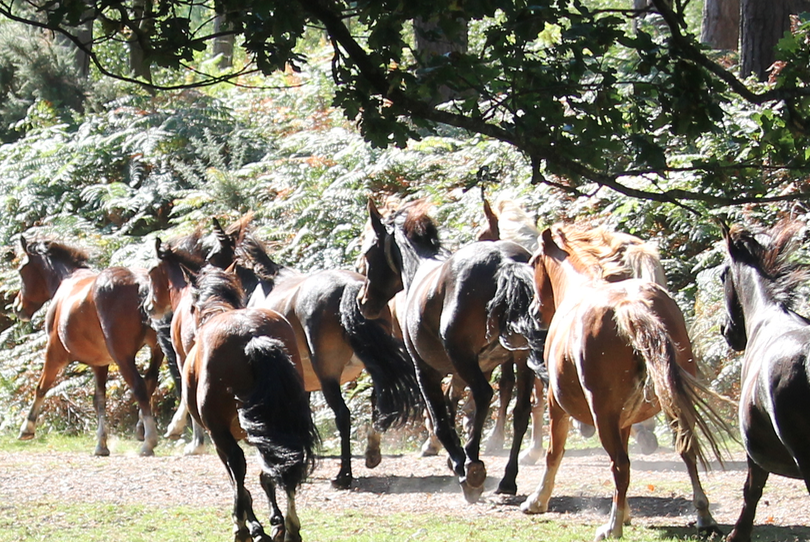
The sound of galloping hooves is guaranteed to get the heart pumping.

Posted in New Forest | Tagged , , , , , , , , , , , , , , , , , , , , , , | Comments Off on New Forest: cows, co-operation and community

New Forest: celebrating a Victorian Christmas

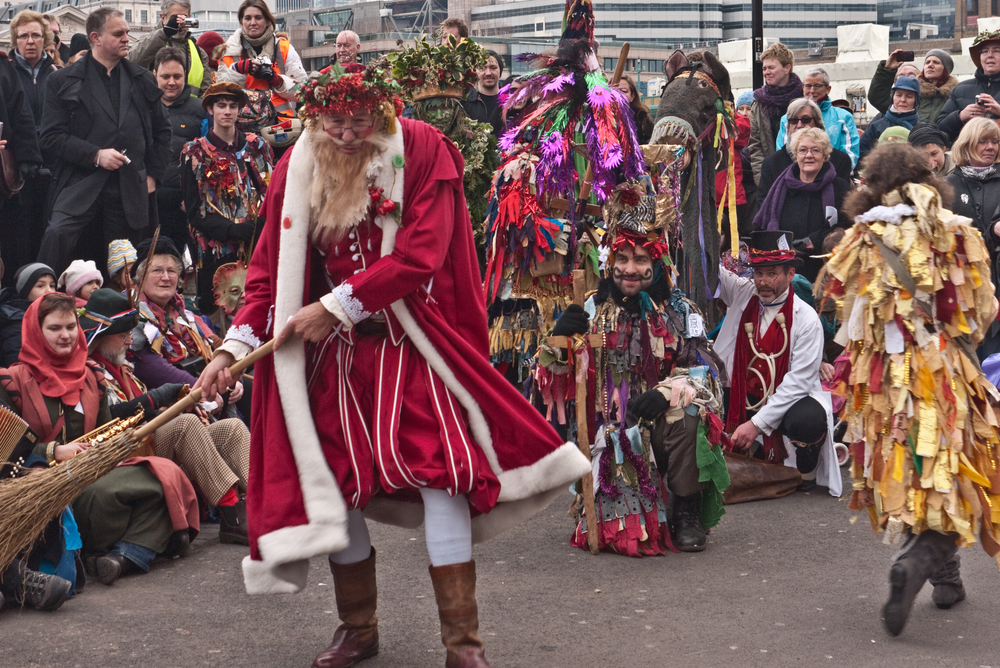
Mummer’s plays were traditional folk dramas performed at Christmas.

The traditions of Christmas that many of us enjoy, such as sending Christmas cards, bringing fir trees into our homes and decorating them, and eating turkey, were not observed prior to the nineteenth century. Queen Victoria and her husband, Albert, popularised the celebration of Christmas as a time for families when a drawing of the couple and their children, gathered around a Christmas tree, appeared in the 1848 edition of the Illustrated London News. But it was Charles Dickens in his A Christmas Carol, published in 1843, who is generally credited with ‘inventing’ Christmas as we know it – with snow, mulled wine, party games and acts of charity. By the end of the nineteenth century Christmas celebrations, which would be recognisable today, were firmly established in and around the New Forest, as the following newspaper reports show. In the Hampshire Advertiser, 1881, it was reported that the Mayor of Lyndhurst, Major Macleay, J.P., and his wife, were generous to the ‘deserving poor’, giving them a joint of meat and a warm shawl each. Whilst another report stated that in the New Forest Union Workhouse, ‘garlands of evergreens and flowers and various devices help to make up a most effective decoration’. A lot of effort was made to render the interior cheerful because ‘a variety of Chinese lanterns’ hung from the ceiling. For their Christmas dinner, the workhouse inmates were treated to ‘a substantial dinner of roast beef and plum pudding’, after which the men were served tobacco and beer and the women were given tea. The children were treated to cake and given toys donated by benefactors from the parish.

A not-so-sober Christmas
However, not all acts of generosity and goodwill to men were encouraged. In 1885, the Postmaster-General stated that ‘the least desirable manner in which appreciation can be shown of the labours of the postmen during the Christmas and New Year season is to offer them drink while in the discharge of their duties’. Apparently this act of ‘mistaken kindness’ was calculated to bring the poor postie into ‘trouble and disgrace’. The Postmaster-General called on the public to refrain from putting temptation in their way and to allow the postmen to continue their duties soberly! There was plenty of revelry in 1888, when the residents of Lyndhurst were reported to have been kept awake until nearly midnight ‘by perambulating parties of minstrels, amateur and otherwise, who, as well as the village band, paid a round of visits to most of the leading houses in the neighbourhood from whose doors, with the generosity so characteristic of the place, none were sent empty-handed away, and enabled at least one party to hand over a goodly donation to the Church Improvement Fund’. In 1892, the weather was reported to have been ‘really splendid for the Christmas holidays, and people have been able to get about with pleasure, the cold notwithstanding, the biting easterly wind having given place to bright, crisp weather’. The traditional Boxing Day hunt was abandoned due to a severe frost and, according to the newspaper report, ‘skating had to be resorted to instead of galloping over the Forest, which just now presents a true Christmaslike appearance’. Meanwhile in Lymington ‘waits, mummers, handbell-ringers, minstrel troupes, &c’ entertained large crowds. So, as you can see, the New Forest has always celebrated the festivities in true Victorian style! Whether you are a Forest resident or visitor, and whichever traditional activity you choose to follow or custom to practice over the holidays, have a very merry Christmas.

Sources:

Philip V. Allingham, Contributing Editor, Dickens “the man who invented Christmas”, The Victorian Web; Faculty of Education, Lakehead University, Thunder Bay, Ontario.

History of Christmas, BBC website: http://www.bbc.co.uk/victorianchristmas/history.shtml

The Hampshire Advertiser (Southampton, England), Wednesday, December 28, 1881; pg. 3; Issue 3708. British Library Newspapers, Part II: 1800-1900.

The Hampshire Advertiser (Southampton, England), Wednesday, December 23, 1885; pg. 2; Issue 4124. British Library Newspapers, Part II: 1800-1900.

Horse and Hound: A Journal of Sport and Agriculture (London, England), Saturday, January 07, 1888; pg. 9; Issue 198. New Readerships.

The Hampshire Advertiser (Southampton, England), Wednesday, December 28, 1892; pg. 4; Issue 4857. British Library Newspapers, Part II: 1800-1900.


Posted in New Forest | Tagged , , , , , , , , , , , , , , , , , , , , | Comments Off on New Forest: celebrating a Victorian Christmas

New Forest: city-dwellers set free to roam

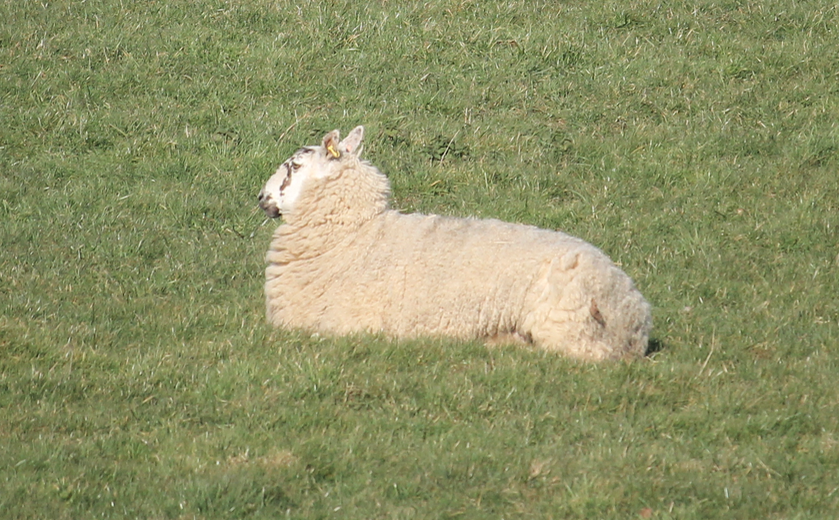
To talk ‘sheep’ properly, apparently requires the right accent!

This weekend I was busy with visitors. In the pre-Christmas round of get-togethers, relatives arrived from London for a few days in the country. My visitors and their children were amazed, when looking out of the kitchen windows, to see pheasants on the lawn and squirrels vying with goldfinches, great tits and great spotted woodpeckers on the bird feeders. Judging by their reactions, the London exposure to, and interaction with, wildlife, and indeed any animal life, must be very limited. It was an interesting experience watching my guests and their children cope with the exuberant presence of my Labradors. The mutt-owning lifestyle obviously doesn’t suit everyone, and while I am oblivious to the hair on the carpets, the dog-snot on the hall windows and having to step around a proliferation of animal-beds, I was amused to see my guests regarding a proffered toy from the mouth of my friendliest Lab as if it was a biohazard. Luckily, the children were much more embracing of canine culture. The weather was mild, so the children were eager to help with some of the chores around the holding, which they enjoyed. Watching little pairs of arms trying to encircle thick slices of meadow hay, while stoically following me up the hill to dole them out to the ponies, made me smile. My neighbour has taken delivery of some sheep and I every time I baa-ed to them the sheep baa-ed back. Try as they might, the children could not get the sheep to ‘talk’ to them, and I told them it was because the sheep couldn’t understand their London accents. That made me smile too.

City dwellers set free
On the Sunday, I took them all for a walk on the Forest to see if we could locate any of my free-roaming ponies. There were plenty of ponies about but not the ones I wanted to find. Even so, the sight of such large animals wandering close by was very exciting to them. The children could not believe that a place as beautiful this existed, and it was wonderful to see this magical landscape through their eyes. They were asking questions, one after the other, and while their parents kept asking them not to badger me with their enquiries I was keen to encourage their interest and stimulate their learning. We spent some time looking at animal tracks and other bush signs, which were easily recognisable in the soft mud beside the tracks. We also tried to identify the several different tree species we encountered, from the leaf litter on the ground and their size and shape. Every time they asked me what was over the hill, I told them to go and look for themselves, and they’d run off excitedly into the distance. The Forest was able to provide them with an experience of freedom and exploration that their city-dwelling, urban-bound lifestyle generally denies them. It made me realise how very fortunate I am to live here, but sharing my enthusiasm for the landscape with next generation gave me the biggest smile of all.

The New Forest is a magical landscape, particularly when seen through the eyes of the young.


Posted in New Forest, New Forest flora & fauna | Tagged , , , , , , , , , , , , | Comments Off on New Forest: city-dwellers set free to roam

New Forest: a landscape frost and ice

The New Forest is a stunning landscape even in the bleak wintertime.

The New Forest is a stunning landscape even in the bleak wintertime.

The recent freezing temperatures have given photographers in and around the New Forest ample opportunities to capture some stunning winter images, which enhance the anticipation of the festive season to come. The carpet of frost adds a touch of sparkle to the heathland, as it stretches out into the distance under crisp blue skies. In the fields on my holding each morning, I can follow the tracks of the wild animals that have criss-crossed from fence to hedgerow and back again during the night in their search for food. Their nocturnal wanderings are recorded by the impressions they leave in the white-dusted layer upon the meadow. As my dogs follow me out into the fields to check the home-kept ponies, they display pleasure at the multitude of scents that fill the air and gallop, nose-to-ground, following the trails of the rabbit, fox and badger. The field-kept ponies are wearing their thick winter coats that fluff up in the sub-zero temperatures, providing them with a good level of protection against the cold. They even carry a layer of frost on their backs to prove how well-insulated they are. One of my daily chores is to check that they have access to water, which is provided by a field-trough that self-fills as the ponies drink. If the temperatures drop too low the trough forms a layer of ice, which prevents the ponies from drinking freely. When this happens, my task is to break the ice and remove it. However, I have seen ponies that are quite adapt at breaking ice in troughs, by striking at the frozen water with their hooves. The free-roaming New Forest ponies simply walk onto the ponds to crack the ice, in order to gain access to water. It never ceases to amaze me how the ponies are able to take long draughts from freezing cold water and yet not show any sign of discomfort.

Low temperatures and frosty weather
The low temperatures at night have been the result of clear skies, which have exposed an amazing array of stars that seem more numerous than usual. Under a bright moonlit sky, the frosted Forest landscape gives the impression that one is seeing the heathland and woods as a negative image, like in a photograph before it has been developed. Of course when the temperatures drop, the gritting-lorries appear to put salt on the roads to prevent them from freezing and causing a danger to traffic. This often has the result of enticing the free-roaming New Forest ponies onto the roads to lick the minerals that have been liberally spread over them. The ponies love the taste of the salt-deposits, and will congregate in numbers on the road to take advantage of the flavoursome bounty. Drivers travelling across the New Forest, particularly at night, would be well advised to consider this during any cold weather and drive with heightened anticipation. Indeed, there may not even be any of the usual signs to indicate the presence of the ponies, such as movement by the roadside or seeing them grazing on the verges, because they are already stood in the road ahead. However, generally speaking, prolonged periods of frost are actually good for the Forest’s habitats and wildlife. The native trees, such as beech, oak and ash, and hibernating species of wildlife, such as bats, benefit from the low temperatures by allowing them to complete the appropriate phases of dormancy; and while much of nature sleeps at this time, those of us who do go out and about in the cold of the frosts get to appreciate the scenic beauty of a fabulous winter landscape.

The New Forest ponies drink from frozen ponds.

The New Forest ponies break the ice on the ponds with their hooves to access water.

Posted in New Forest, New Forest pony | Tagged , , , , , , , , , | Comments Off on New Forest: a landscape frost and ice

Lucy Kemp-Welch: Colt Hunting in the New Forest

'Colt Hunting in the New Forest' by Lucy Kemp-Welch (circa. 1897).

‘Colt Hunting in the New Forest’ by Lucy Kemp-Welch (circa. 1897).

One of the most important pieces of art ever inspired by the New Forest was a painting by Lucy Kemp-Welch (1869-1958), entitled ‘Colt Hunting in the New Forest’. This painting was exhibited at the Royal Academy in 1897, when she was only 26 years old. It was an impressive canvas measuring 1537 x 3060 mm (approximately 5ft x 10ft) and was described as depicting ‘a wide glade in the forest, along which race a number of colts unwilling to relinquish their liberty and to fall into the hands of the four mounted lads who try to catch them’.[1] Lucy Kemp-Welch was born in Bournemouth, in 1869, and spent much of her time wandering in the New Forest, where she ‘personally studied the wild ponies in this pleasant part of England’.[2] Her love of horses and wild ponies remained with her all her life. In order to capture the energy and excitement of the pony drifts for ‘Colt Hunting’ she actually had the full-sized canvas transported to the Forest, where she sketched from life, as the commoners galloped their ponies past her. When the painting was exhibited at the Royal Academy it caused a sensation and was promptly purchased for £525.00.[3] The buyers were trustees of the Chantrey Bequest, who administered a large sum of money left in the will of Sir F. L. Chantrey to obtain works of art by British artists, in order to create a national collection. It was only the third time, since its creation in 1875, that the Chantrey Bequest had purchased artwork by a woman. Lucy Kemp-Welch became a celebrity overnight.[4]

Colt Hunting in the New Forest
In the same year that Lucy Kemp-Welch exhibited ‘Colt Hunting in the New Forest’, the Tate Galley was built and her painting was transferred to this new, public collection. However, ‘Colt Hunting’ was immediately archived and has never been publicly exhibited. Indeed, there are rumours that the Tate Gallery loaned the painting to the Royal Academy during the Blitz ‘in the hope that the Luftwaffe’s friendly bombs might rid them of this monstrous woman’s work for good’.[5] It is difficult to conceive of the prejudice against women in the late Victorian period and early 20th century, particularly women such as Lucy Kemp-Welch, who stepped out of the roles proscribed to them by a patriarchal society.[6] Her sympathies for the suffragette movement certainly didn’t endear her to the male-establishment figures that controlled the art world. She nevertheless continued to paint and made a successful, and award winning (Paris Salon) career as an artist. It was Lucy Kemp-Welch who brought ‘Black Beauty’ to life in the 1915 edition of Anna Sewell’s novel, and who created the famous WW1 recruitment poster Forward! Forward to Victory – Enlist. When she painted works for the Royal Artillery in 1916, she had eight batteries of horse-artillery charge past her at her easel to capture the movement at close quarters. Her life as an artist was dedicated to capturing horses in all forms of occupation, from galloping polo ponies in a chukka to the last horse-launched lifeboat battling the foaming surf. However, many viewed her work with scorn and if you don’t recognise her name among the list of great British artists, it’s probably due to the artistic snobbery that her work has attracted.[7] She died in Watford on this day (27th November) 1958.

Although the New Forest ponies are referred to as 'wild' the herds are a mixure of semi-feral and domesticated animals.

Lucy Kemp-Welch spent much time in the New Forest studying and sketching its ‘wild’ ponies.

[1] Glasgow Herald, May 1st, 1897, Issue 104. British Library Newspapers.

[2] Hampshire/Portsmouth Telegraph, May 15th, 1897. Issue 6035. British Library Newspapers.

[3] Ibid.

[4] Paul Pickering, The Daily Telegraph, 28 February, 1998.

[5] Ibid.

[6] See – Letters to the Editor, ‘Women Dramatists’, The Era, November 20, 1897. Issue 3087. British Library Newspapers.

[7] Lillian Browse’s article is incredulous that the price for ‘a painting of horses’ by LK-W has exceeded that of a Sickert!, ‘Scraping the barrel of the art market’, in The Times (London), Wednesday, March 8th, 1989. Issue 63336, p.43.

Posted in New Forest | Tagged , , , , , , , , , , , , , , | Comments Off on Lucy Kemp-Welch: Colt Hunting in the New Forest

New Forest: reflective collar or headband?

The New Forest has 13.5 million day visits each year.

Finding a chestnut pony among autumn bracken is not an easy task.

The mild weather of late has meant that the trees seem to be holding on to their foliage, and subsequently treating visitors to the New Forest with displays of lingering autumn colour. Soon the strong winds will denude the trees of the little cover they have to leave them quite bare. While the shorter daylight hours reduce the opportunities for going out to check on the ponies, the exposed branches in the woods and copses mean that they become slightly easier to spot. However, one of my mares is the colour of autumn bracken, which is a deep reddy-chestnut. She is so well camouflaged at this time of year that, thinking I’ve seen her, I’ve gone off to inspect what turns out to be a clump of vegetation. Recently I found her with a small band of ponies grazing on a hillside. From a distance I knew there was something that didn’t look quite right. As I got closer to the pony I could see that her reflective-collar, instead of being in place around her neck, was under her jaw and across her head in front of her ears. She looked like John McEnroe wearing a headband! It seemed obvious that she been grazing in the middle of a gorse bush and, on pulling her head out, had managed to dislodge the collar. For a few moments I pondered what to do. If this were one of my ponies at home I could simply walk up to it and adjust the collar, but with semi-feral ponies it’s a different proposition. My options were, to leave the collar as it was, she would probably dislodge it by herself; approach her and pull the collar off myself; or, try to get the collar back into the correct position around her neck. The reflective-collars are a useful gadget to show up the ponies at night, particularly to drivers using the Forest roads. So, of all my options the last was the most favoured and, of course, the most difficult.

Watch the body language
I have handled this mare a little in the past and she has the sweetest temper but pulling the collar over her head was bound to cause a reaction and I didn’t want to panic her into defence mode, causing her to lash out at me. The other ponies lifted their heads to watch as I approached. She was curious about my attention; her ears were pricked and forward facing – a good sign. I stood at her shoulder and stroked her neck, with my hand creeping up towards her ears. She seemed content to let me continue and I managed to grasp the collar and pull it over her head. She jerked away with her ears lowered back – not a good sign. Unfortunately, I’d only managed to get the collar over one ear and would have to attempt the same manoeuvre on the other side. I stood patiently while she assessed the danger I posed. As soon as she went back to grazing and I approached her again. This time she was more wary of me. She still allowed me to approach her but was much more suspicious. Her body language was no longer relaxed. Even though she was a little apprehensive I managed to repeat the process of stroking quietly from her shoulder up to her ears and finally pulled the collar in place. The collar is generously elasticated, thankfully, but she was still unsettled by the sensation of the collar passing over her head. She pulled away, gave me a very nasty stare – almost a grimace – and walked indignantly away, followed by her friends.

UPDATE: My mare has managed to lose her collar and no longer has night-time florescent capability! (The collars are designed to come off, if the pony gets it caught on undergrowth or tree branches.)

The high-viz reflective collars enable the ponies to be visible at night.

The reflective-collars help the free-roaming New Forest ponies to be visible at night.

Posted in New Forest, New Forest pony | Tagged , , , , , , , | Comments Off on New Forest: reflective collar or headband?

New Forest: the hunters and the hunted

Hunting in the New Forest was a

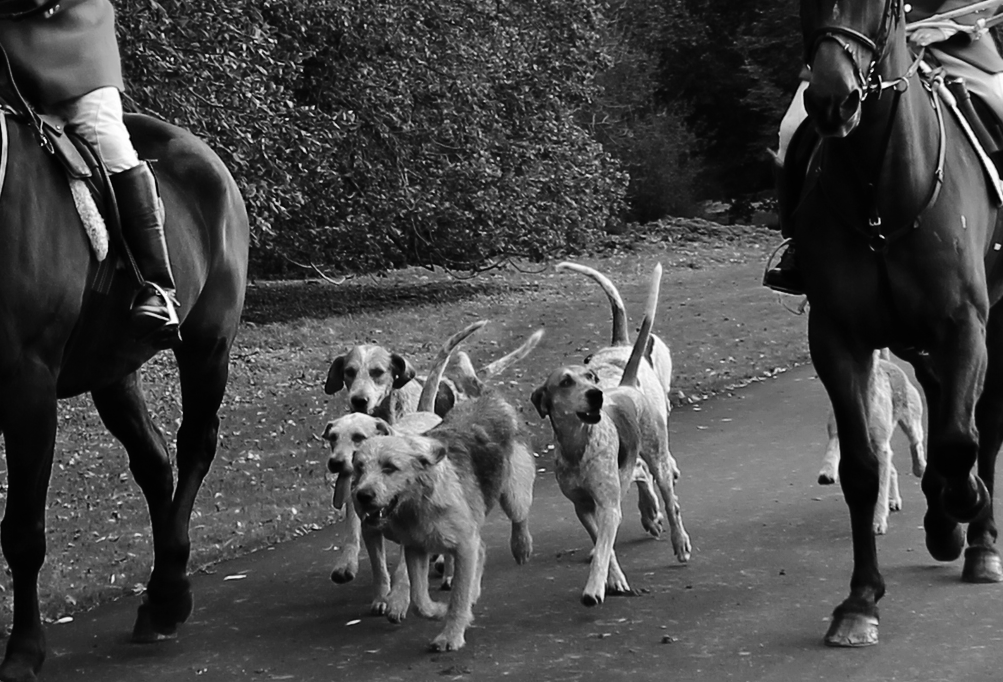
The New Forest was established for royal hunting and has a long tradition of the chase.

The history of the New Forest is very closely intertwined with that of hunting. Indeed, it was for that very purpose that the New Forest was established nearly a thousand years ago. Royal hunting favoured red deer but also extended to foxes, either when the larger prey was unavailable or for its novelty. Hunting was a hugely popular pastime and when the Royal Buckhounds visited the Forest, at Bolton’s Bench, in April 1841, it was said that thousands of people turned up to participate in the chase or watch. A newspaper report from the time, recorded that the lowest number of horsemen must have been a thousand, with people in carriages, who would have followed the hunt’s progress, numbering at least another thousand and ‘among the crowds of vehicle of all grades – from the elegant four-horse equipage to the humble chaise-cart – were seen even omnibuses that now for the first time made their entrée into the Forest’.[1] Along with the huntsmen and women, and the carriages, came countless pedestrians who were estimated to be in the region of four thousand people.[2] It was said that ‘a more gay and brilliant assemblage never graced the forest’.[3] Another eyewitness remarked that ‘on the roads leading to the meet it was just like going to the Derby before railroad times’.[4] Like the Derby, hunt meets could be places for the stylish elements of society to be seen, as well as to see the day’s activities. Accordingly, ‘the same brilliant variety of carriages and horses – the same influx of beauty and fashion: the like quality of the good thing of this world then made their appearance, and were usually disposed of at pic-nics, beneath the spreading branches of the magnificent oak or beech-trees, which adorn some of the most picturesque localities of the New Forest’.[5]

Missing pig at Deering’s Town
But the beasts of the Forest were not the only creatures to be pursued and captured by the hounds. In 1840 it was reported that a resident of Sway, who had lost a valuable pig, was persuaded by his neighbour to approach a forest keeper for the loan of one of his bloodhounds, to see if the missing hog could be located. Apparently, several bloodhounds were kept by the keepers, due to their incredible ability to sent wounded deer. The bloodhound was duly sent for and, according to the report, when it arrived began to work by making three or four casts around the house. With the scent acquired, the hound then moved off ‘at a round pace’ towards a small, straggling village called Deering’s Town, some three miles away.[6] The bloodhound then proceeded directly to the house of a labourer, whereupon the pig was found inside slaughtered and hanging to cure. The man was consequently tried for robbery, at Winchester assizes, where he confessed to stealing the pig.[7]

Pannage season

In 1840 a bloodhound was used to recover a missing New Forest pig.

[1] THE QUEEN’S HOUNDS IN THE NEW FOREST, Hampshire Advertiser & Salisbury Guardian Saturday, April 24, 1841

[2] Ibid.

[3] Ibid.

[4] John William Carleto, ‘Red Deer Hunting in the New Forest’, in The Sporting Review, July 1852 p. 259.

[5] Ibid.

[6] The Penny Satirist, Saturday, September 19, 1840 (London).

[7] Ibid.

Posted in New Forest | Tagged , , , , , , , , , , , , , , , , , , , , , , , | Comments Off on New Forest: the hunters and the hunted

New Forest: Charter of the Forest 1217

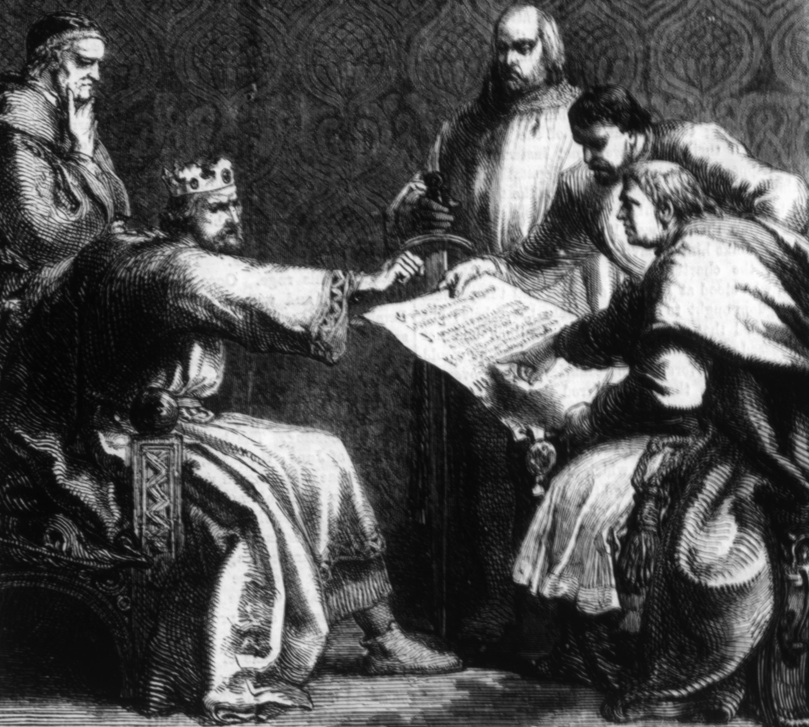
The bad rule of William Rufus led to the Coronation Charter in 1100 and ultimately in Magna Carta.

Magna Carta,  issued by bad King John in 1215, was extended and enacted as the Charter of the Forest, in 1217.

Today (6th November) is the anniversary of one of the most important pieces of legislation ever to be issued in our nation’s history. The carta de foresta or Charter of the Forest, as it became known, was so significant that even though it was originally sealed in 1217 it was still in force for centuries afterwards and its legacy is still evident in the New Forest today. The crucial importance of the Charter of the Forest was that it gave legal rights to ordinary people unlike Magna Charta, which only applied to the nobility. The Charter of the Forest was issued by the nine year old Henry III, who succeeded his father bad King John. When John, who was regarded as tyrannical and untrustworthy, died of dysentery in 1216 he left the realm in a state of anarchy and on the brink of civil war. As luck would have it, the boy-King had in his service one of the greatest knights ever to live – the Earl William Marshall. Earl William, who at this stage in his career was around seventy years of age, enjoyed a ‘near-legendary status as a renown warrior and paragon of virtue’ around which the notions of chivalry and honour had developed. He was said to have declared; “If everyone abandons the boy but me, do you know what I shall do? I will carry him on my back, and if I can hold him up, I will hop from island to island, from country to country, even if I have to beg for my bread.’ William Marshall’s dedication to his sovereign and his country made him the obvious candidate to be ‘guardian’ of the realm, which was regent in all but name, until Henry reached his majority.

Charter of the Forest
To assert Henry III’s legitimacy it was decided to distance the boy from his father’s despotic regime and to unite the warring factions by turning to the rule of law. Magna Carta was therefore redrafted and extended into the Charter of the Forest, which showed Henry III’s intent to rule with a fair and even hand, for the ‘common utility of all’. This was no mere device to quiet the unrest plaguing the realm but a real attempt to lay the foundations for good government. Crucially, because it was sanctioned by the papal legate, the Charter was also recognised in Rome, which meant that it could not be casually nullified. The Charter contained clauses dealing with rights to justice, fair trial and freedom from tyranny. It also gave free men, who relied upon the royal forests for their living through pannage, estovers and pasturage, for example, certain economic protection. According to the Charter ‘Henceforth every freeman, in his wood or on his land that he has in the forest, may with impunity make a mill, fish-preserve, pond, marl-pit, ditch, or arable in cultivated land outside coverts, provided that no injury is thereby given to any neighbour.’ It was the Charter of the Forest that repealed the death penalty of offences against the venison, and set up the Verderer’s Court, which still is still in existence today, to enforce the laws of the Charter. The Charter was reissued in 1225 and in 1297 was joined with Magna Carta (which was the first time it was recorded in the Statute Rolls) to create the Confirmation of Charters.

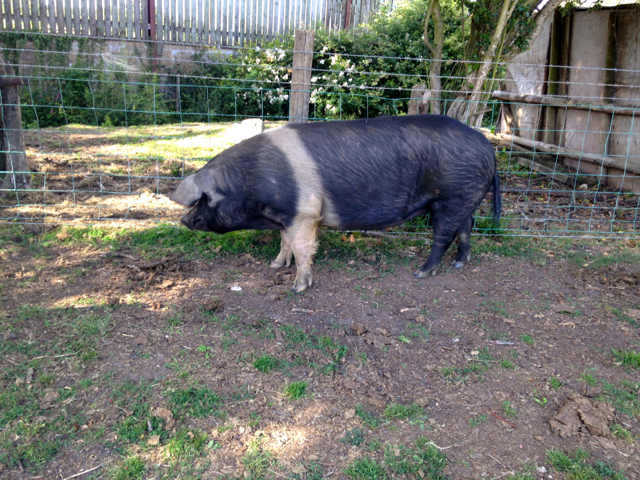
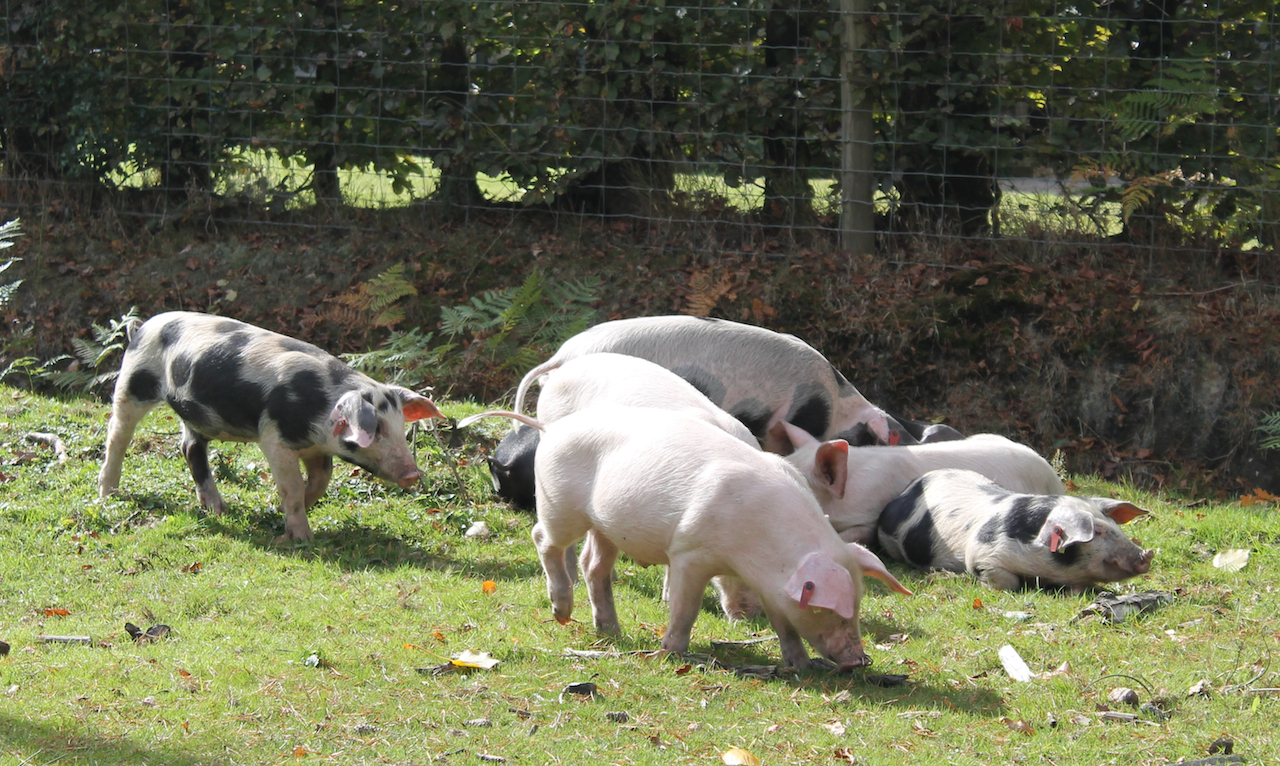
Pannage season is an ancient practice for commoners with Common of Mast

Pannage was one of the many common rights protected by the Charter of the Forest.

Posted in New Forest | Tagged , , , , , , , , , , , , , , , , , , , , , , | Comments Off on New Forest: Charter of the Forest 1217

New Forest: litter – natural and otherwise

Late autumn in the New Forest is filled with colour.

Late autumn in the New Forest is filled with colour and leaf-litter covers the ground.

This week I’ve had the subject of litter on my mind. Looking at the amazing colours of the New Forest’s autumn foliage made me think of the leaf-litter that covers the forest floor. It carpets the ground with a profusion of amber, gold and russet colours that provide a most satisfactory scrunching, rustling sound when walked upon. The leaves change colour due to changes in the amount of sunlight and decreasing temperatures, which cause their chlorophyll levels to break down. It is the chlorophyll (an important biomolecule) that makes leaves green but in its absence other pigments, such as yellows and reds, are revealed. Eventually the leaves will be ejected by the tree, which will then seal the places they were attached to, in order to conserve energy during the winter. Earliest mentions of the word ‘litter’ are in association with a bed-like form of transport carried at shoulder height. From then on fallen leaves collected for bedding would have been regarded as litter material, and once strewn onto a floor as a form of covering would simply be referred to as litter. It is from this association, with the manner of scattering in a disorderly way, that the modern understanding of the word ‘litter’ comes from.

Despoiling the landscape and the skies
Just as the trees discard the leaves that no longer serve a purpose, so some people will abandon the food containers, confectionary wrappers and drink bottles, for example, they no longer need . However, unlike the trees, which cast off biodegradable material that is recycled by the forest flora and fauna, items rejected by humans have no place in nature. I’m not sure if it’s a consequence of the recent half term but my walks in the New Forest of late have become litter forages. I seem to have collected more litter in this past week than in the whole of the month beforehand! I’ve also noticed that there are a profusion of out-of-date posters pinned to trees, lamp-posts and telegraph poles calling for the return of missing dogs that have long since been reunited with their loving owners; and Cat, it seems, celebrated her 30th birthday for a least a couple of weeks on a sheet strung across a busy road bridge. Nevertheless, to my mind possibly the worse type of litter that humankind is responsible for is not the type that initially despoils our landscape but our skies. Sky lanterns or Chinese lanterns, call them what you will, are the scourge of the countryside and its wildlife. With the season of the firework and bonfire upon us these dangerous floating incendiaries are often released into the atmosphere where they drift aimlessly, until they disintegrate or land, posing a potential threat to our wildlife and rural habitats greater than many other forms of litter. So, when out and about in the New Forest, be a friend to its wildlife and habitat and don’t leave litter – either on the ground or in its skies.

Be a friend to the New Forest and take your litter away with you.

Be a friend to the New Forest and take your litter away with you.

Posted in New Forest | Tagged , , , , , , , , , , , , , , , , , | Comments Off on New Forest: litter – natural and otherwise