Autumn: the season of tradition and heritage

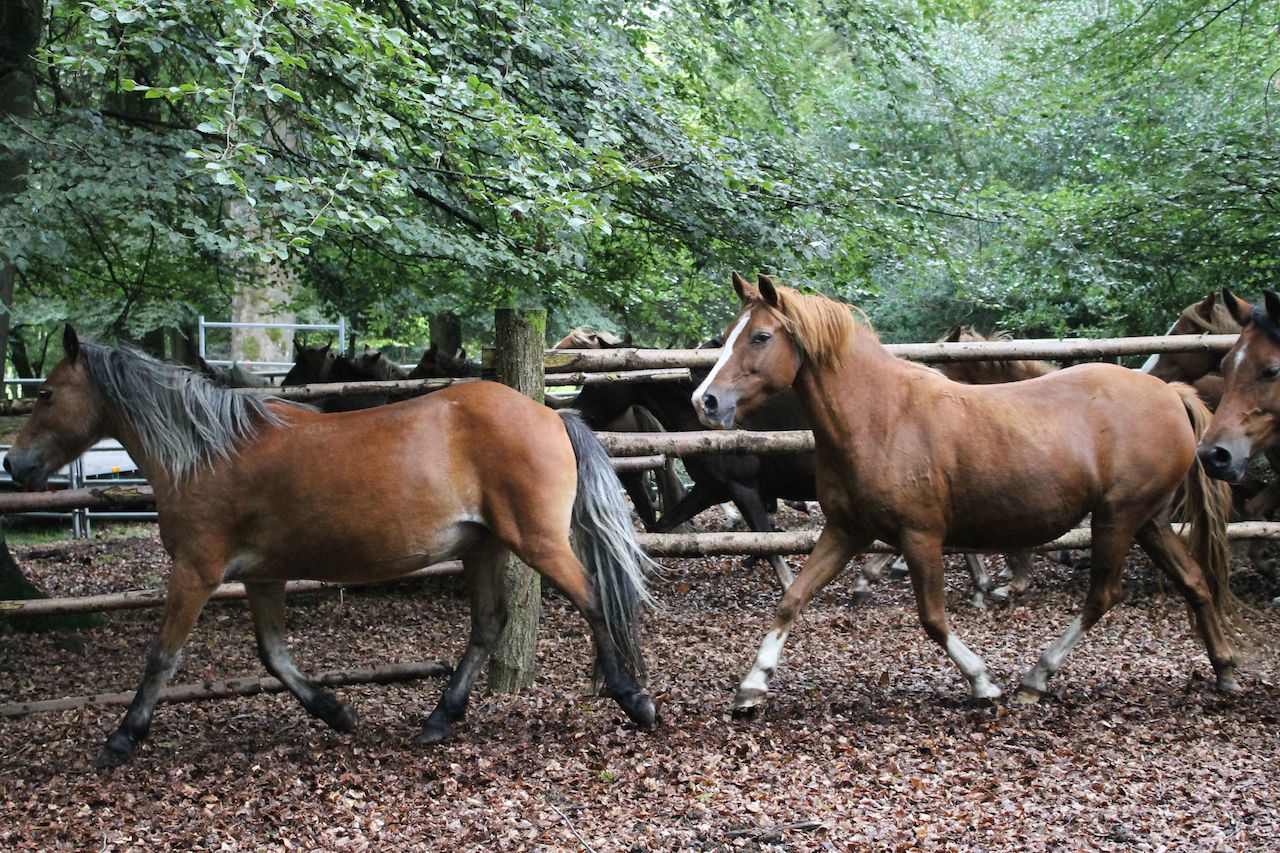
The annual pony round-ups on the New Forest are called 'drifts'.

The annual pony round-ups on the New Forest are called ‘drifts’.

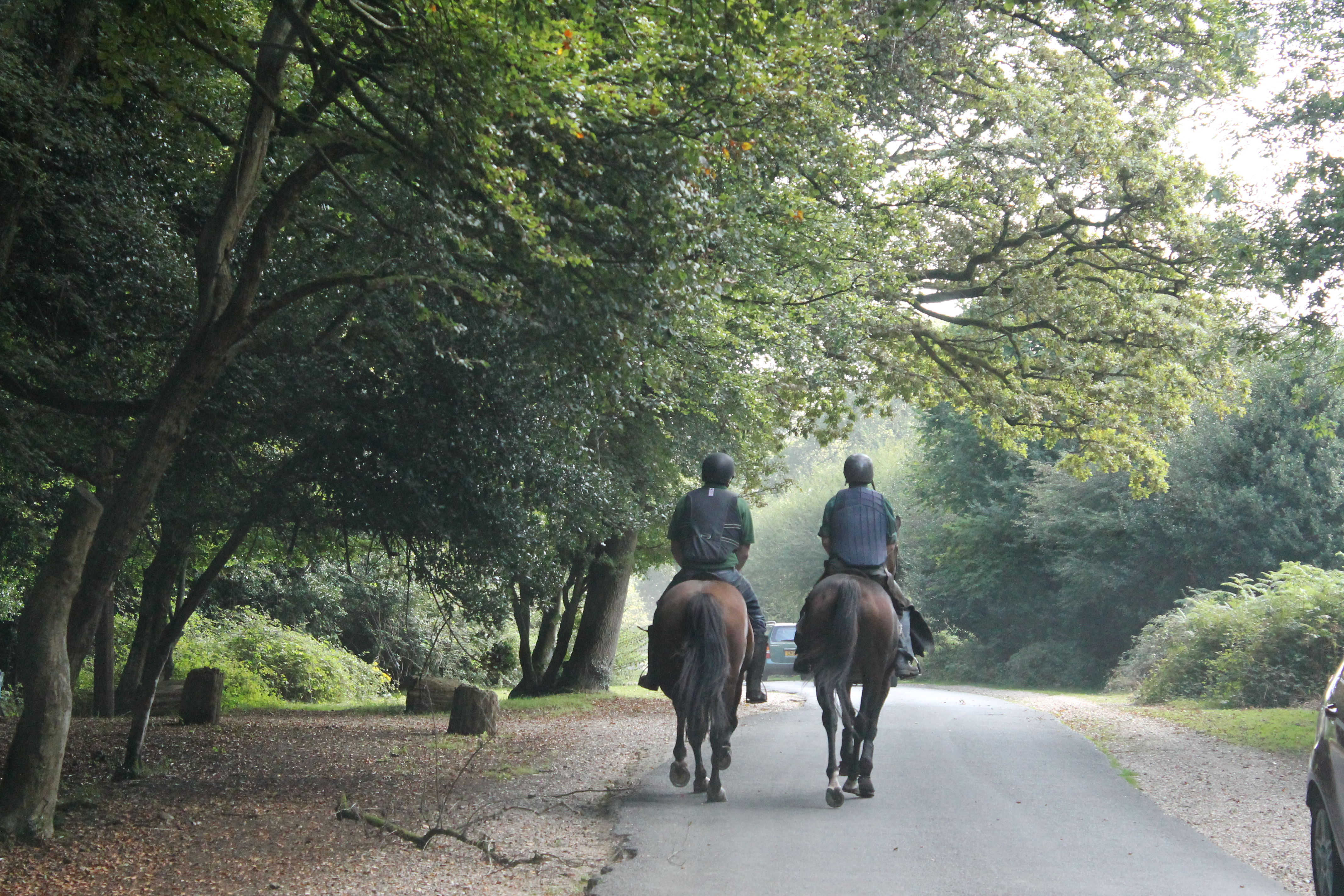
Autumn is a time when the traditional rural practices and cultural heritage of the New Forest come alive. The annual drifts, or pony round-ups, that were ordered by Henry VIII in 1540, are in full progress and are still conducted using methods that would be recognised in the sixteen century. The wild, free-roaming ponies are herded together by the Agisters and commoners, who are mounted on horseback, and driven into ‘pounds’, which are wooden corrals that act as collection and holding pens, from where they are processed. Most will be released back onto the Forest but others may be taken away for sale or to be trained and schooled as riding ponies. The riders on the drifts have to be proficient in the saddle, as the round-ups are fast-pasted and unpredictable, covering all sorts of different terrain. Their mounts, usually New Forest ponies, need to be equally competent to the task requiring agility, obedience and stamina in order to bring the herds of wild ponies in. As the season progresses the heathland changes colour and the round-ups take place among the falling autumn leaves. The drifts usually start in about late August and may go through into November.

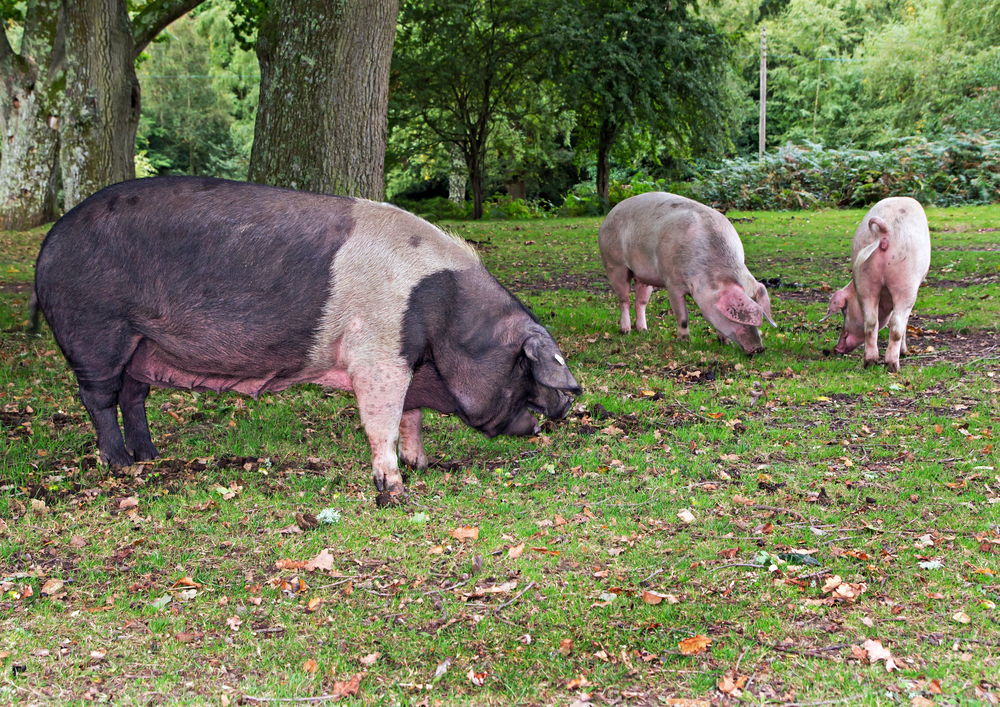
In September Pannage season starts. Those commoners who have ‘Common of Mast’ are permitted to turn their domestic pigs out on the Forest. This is a traditional way of fattening the pigs on acorns, beech mast and fallen apples before they go off for slaughter. However, the pigs also perform a very important function by eating the acorns that fall from the oak trees at this time of year, which are very poisonous to ponies, cattle and deer. Pigs do not seem to be affected by the toxins in the acorns that can kill the other commonable animals and eat large quantities whilst they are at large, thus reducing the risk of the ponies or cattle eating them. In days gone by Pannage dates were fixed but the New Forest Act of 1964 made it possible for the Forestry Commission, after consultation with the Verderers of the New Forest, to set the dates for any suitable term of not less than sixty days. Last year there was such a bumper crop of acorns, known as a Mast Year, that the Pannage season was extended twice. With fewer pigs turned out a longer season was needed to enable the hogs to eat the bonanza of fallen acorns. Seeing the pigs roaming free is a traditional New Forest spectacle and sure sign of autumn. At this time of year also look out for bakers or sweet shops selling pig-shaped biscuits or confectionery in celebration of Pannage season.

Pannage season starts in September and usually lasts 60 days.

Pannage season starts in September and usually lasts 60 days.

To get a glimpse of being on a New Forest pony drift watch these videos!
Beaulieu: https://www.youtube.com/watch?v=e5CmQgwoAHw
East Boldre: https://www.youtube.com/watch?v=4y_bCeYu608

Posted in New Forest, New Forest Commoner, New Forest pony, New Forest Pony Drift, Pannage season | Tagged , , , , , , , , , , , , , | Leave a comment

Colt hunting on the New Forest

Colt hunting requires a small group of mounted riders to round-up an individual pony.

Colt hunting requires a small group of mounted riders to round-up an individual pony.

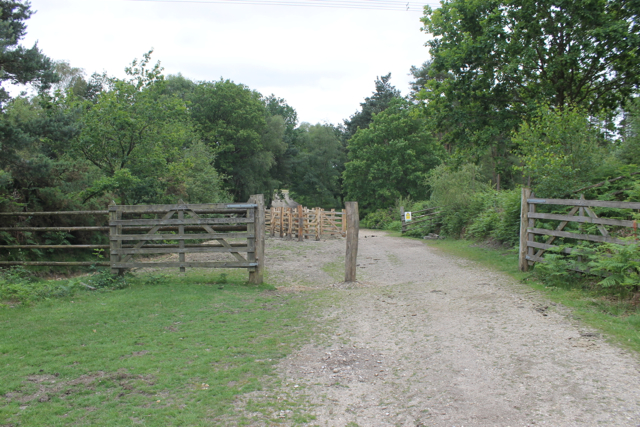
On the New Forest ponies are always referred to as ‘colts’ irrespective of whether they are mares or geldings, young or old. Every now and then it becomes necessary for a commoner to catch-up an individual pony or mare with a foal. The reasons may be that the pony is to be trained to be ridden or perhaps the foal is destined for sale and needs prior handing. Colt hunting is the method used to capture such individuals. The pony will be located and rounded-up by mounted riders employing the same tactics as used in the drifts. A group of riders gallop after the pony and channel it towards the pound. A pound is a permanent timber structure, which resembles the corrals one might see in a cowboy film, and there are many situated all over the New Forest. They are used all-year round for colt-hunting and in particularly during the drift season. The pony or mare and foal can be guided into the open pound and then the gates closed behind it.

In the past some commoners would employ a tactic during colt hunting known as ‘tailing’. This ploy, used predominantly on the foals and yearlings, involved a rider galloping alongside the youngster and grabbing its tail thus slowing it down. Then another rider would come alongside and grab its mane. Once the colt was at a standstill the rider, still holding the mane, would jump down and put a halter on it. This method required the rider to be an exceptional horseman and his or her mount needed to be good at its job as a colt hunter. Indeed there are many stories of ponies that were exceptional at rounding up their wild counterparts. Tailing, however, is very dangerous and risks injury to all concerned, not least to the young pony being captured. Only the most experienced commoners would attempt to catch a pony in this way.

Some commoners preferred ‘colt catching’ instead, using concealed ropes to capture the pony, but this practice would require a large amount of patience and intimate knowledge of the terrain. Basically a noose is concealed in bushes and the pony is simply herded through in the hope of catching the neck or forehoof, depending upon where the noose is laid. This method obviously relied upon having gorse bushes readily available! Lassos, like the ones used by North or Latin American cowboys are not used in the New Forest. However one story that I heard was of senior Agister, Ron Ings, who in 1960’s managed to lasso a steer that had evaded all other attempts to capture it. Probably assisted by luck more than his roping skills, he had galloped alongside the beast and managed to get the rope over its head, bringing it to a stop!

Ponies are collected and held in the pound for processing.

Ponies are rounded-up and channelled into the pound, where they are held ready for processing.

Posted in New Forest, New Forest Commoner, New Forest pony | Tagged , , , , , , , , , , , , , , , , , , | Leave a comment

Drifting on the New Forest

The annual pony drifts, or round-ups, take place each autumn.

The annual pony drifts, or round-ups, take place each autumn.

Being a commoner on the New Forest involves continuing a pastoral system that is steeped in history. In the 16th century Henry VIII, who is better known for marrying six wives and establishing the Church of England, created laws that continue to resonate on the Forest even to this day. Throughout his reign Henry VIII was under constant threat of war. As a consequence he wanted to ensure that he could mobilise an army that were at their fighting peak. Henry became concerned about the quality of native horses and ponies that could carry his knights into battle and so, in The Horses Act of 1540, decreed that no stallion under 15 hands and no mare under 13 hands was permitted to run out on common land, or to run wild. He ordered that annual round-ups of the commons be enforced, and that any stallion or mare found to be under the height limit had to be destroyed, along with any foals that would not make the required size.

Annual round-ups
The annual round-ups ordered by Henry VIII continue to be conducted every year on the New Forest, but instead of being used to cull under height ponies the ‘drifts’ are now used to sort out the ponies either for removal from the Forest, branding, worming or tail marking. There are generally about 40 drifts conducted between August and November, which take place across all the areas of the Forest. The object is to round up as many of the free-roaming ponies as possible in highly co-ordinated actions that are conducted by the Agisters with the support of the commoners – on foot and on horse-back. The riders work in teams herding the ponies towards stock pens, known as ‘pounds’ where commoners on foot are deployed to receive them. The drift is incredibly fast-paced with dozens of ponies driven at full gallop through the Forest. It is no place for the casual spectator and there is no room for error.

Pounds and sense
The ‘wild’ ponies (more accurately described as ‘semi-feral’) are really canny and will exploit any gap in the stock pens or weakness in the chains of people channelling them towards captivity in order to escape. There is a huge sense of responsibility for all those involved on the drift. A person in the wrong place can divert a herd of ponies away from the pound (which is the wooden stockade-style holding pen). Lost opportunities to catch and check stock are incredibly frustrating for the commoners, as it may some time before the ponies can be caught again. One certainly has to have huge admiration for the riders and their mounts that cover the terrain quickly and nimbly whilst chasing a galloping herd. But without a doubt the person who gets my full admiration on the drift is the person who is in charge of the gate to the pound. He or she needs to be in the right place at the right time otherwise the whole drift could fail. Their timing and good sense have to be perfect because they have got to let ponies into the pound without letting the ponies previously captured escape. The drifts are very co-operative and well co-ordinated events but of course with a history going back to Tudor times they are also very well rehearsed!

CAUTION: pony round-up in progress

The drifts are no place for the casual observer and there is no room for error.

IMPORTANT NOTE: The Verderers of the New Forest have announced that the ‘drifts’, or pony round-ups, are an essential part of the management of the semi-feral herd to maintain the health and welfare of the ponies.

For their own safety, members of the public are urged to avoid the area of the drift on the planned dates.

The dates of the #NewForest drifts are advertised to alert visitors and road-users to beware, NOT as an invitation to attend. #workingforest

Posted in New Forest, New Forest Commoner, New Forest pony, New Forest Pony Drift | Tagged , , , , , , , , , , , , , , | Leave a comment

Abandoned horses and ponies

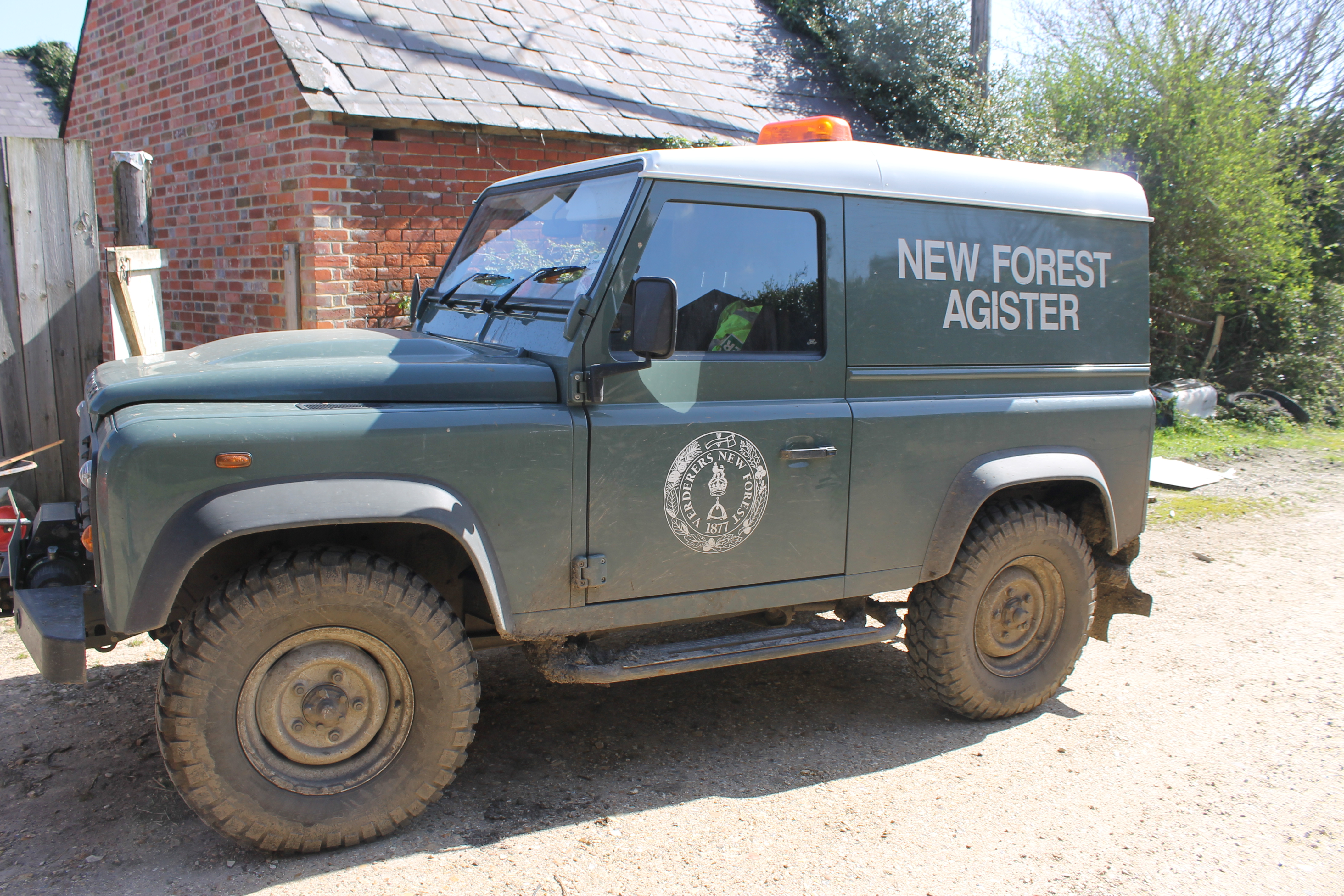
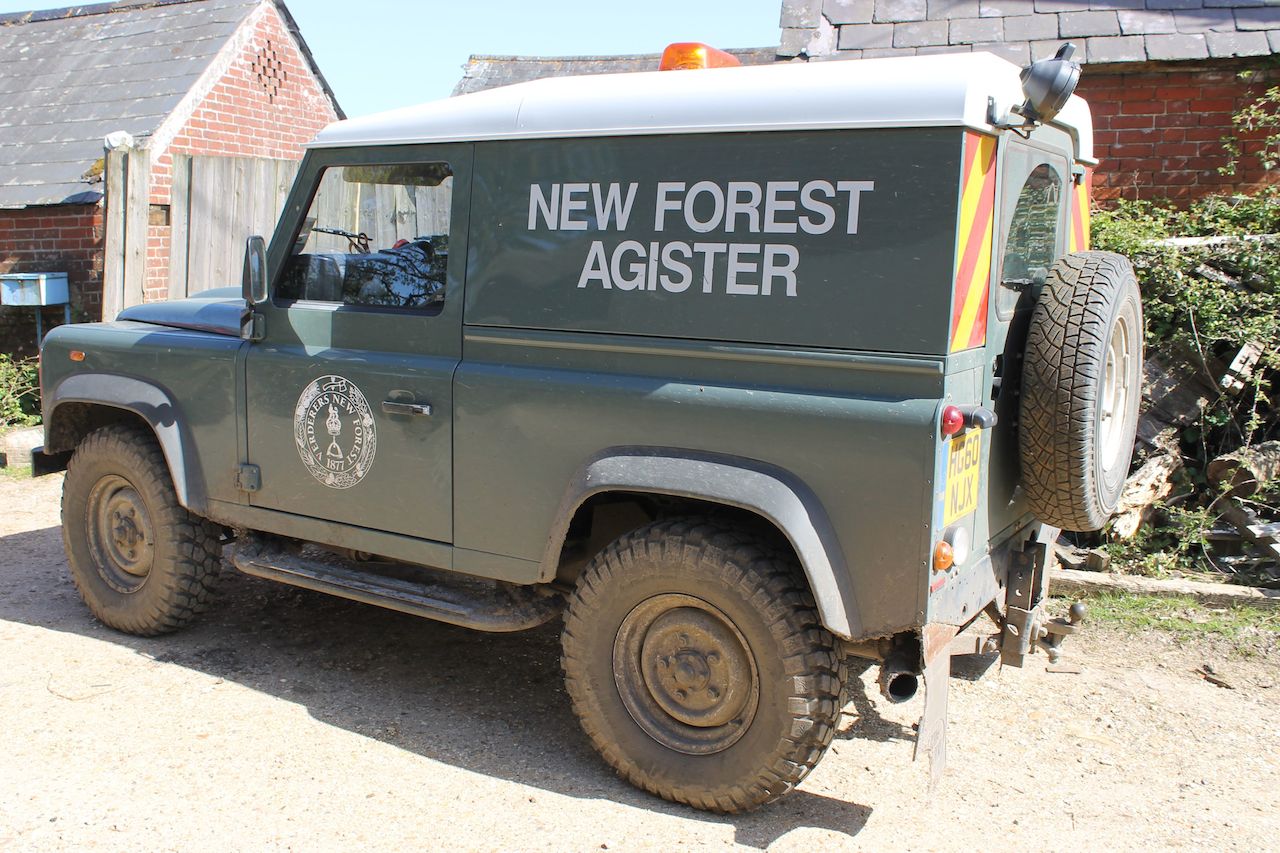
The Agisiter ensures welfare standards of the free-roaming animals are maintained.

The New Forest Agisiters ensure welfare standards of the free-roaming animals are maintained.

Owning a pony is a dream for many. For those of us lucky enough to have our own pony (or ponies) it is a hugely enjoyable, if a somewhat expensive and time consuming, activity. I feel that some months it would be far more practical to have my wages paid directly to the vet, insurance company, farrier or feed merchant! The realities of trudging miserably through muddy fields in the cold, dark and rain of mid-winter, with barrow loads of hay, never seemed to feature in my original aspirations of getting a herd of ponies. Nevertheless, much of the satisfaction I get from keeping them is to ensure that my animals are well cared for – come rain or shine. I make provisions, even sacrifices, to ensure that I can meet my responsibilities to them. Owning a pony has moral and legal obligations. So, I do feel a great sense of sadness when I hear of horses and ponies that are neglected or abandoned because their owners can no longer afford them or simply do not want to look after them any more.

Every now and then a pony or horse will appear on the open Forest that has been dumped by its owner. According to animal welfare organisations horse abandonment is a growing nationwide problem. Many of the horse rehoming centres up and down the country are turning away cases, as they just do not have the resources to take in any more unwanted or rescued animals. Abandoning an animal is a serious offence and can result in a six-month prison sentence and/or a fine of £20,000 under the Animal Welfare Act. Of course while, on the face of it, the New Forest has vast stretches of open grazing and thousands of acres of heathland and pasture it is only really suitable for maintaining the livestock that is habituated to its environs. Domesticated horses and ponies simply released into the ‘wild’ of the Forest are not necessarily going to thrive or even survive.

Only people with Rights of Common can legally ‘depasture’ their ponies, cattle, donkeys or mules, having first registered their entitlement with the Verderers of the New Forest and then paying the appropriate fees per animal depastured. The free-roaming ponies on the Forest each carry the identification mark of its commoner owner. The Agisters, who are employed by the Verderers, work with the commoners to ensure that the bylaws are upheld, the welfare of all stock is maintained and the appropriate fees are paid. It is the Agisters who have to deal with any abandoned horses and, if possible, recover any costs incurred. Abandoned animals generally have issues, such as injuries or health problems, that require immediate and costly intervention.  People who dump horses or ponies in the New Forest, or anywhere else for that matter, are not only abdicating their responsibilities for the animal but they are also passing the legal and financial burden of its welfare and maintenance on to others. The moral obligations and responsibilities of keeping a pony, for these people, almost seem to be the last considerations when, in fairness to the animal, they really ought to be the first.

Only ponies habituated to the New Forest are turned out.

Generations of ‘wild’ ponies have learned to survive and thrive on the New Forest.

Private land owners looking for advice on ‘What to do if a Horse is Abandoned?’ should visit the British Horse Society Abandonment and Fly-grazing webpage.

Posted in New Forest, New Forest pony | Tagged , , , , , , , , , , , , | Leave a comment

Many colours of the New Forest.

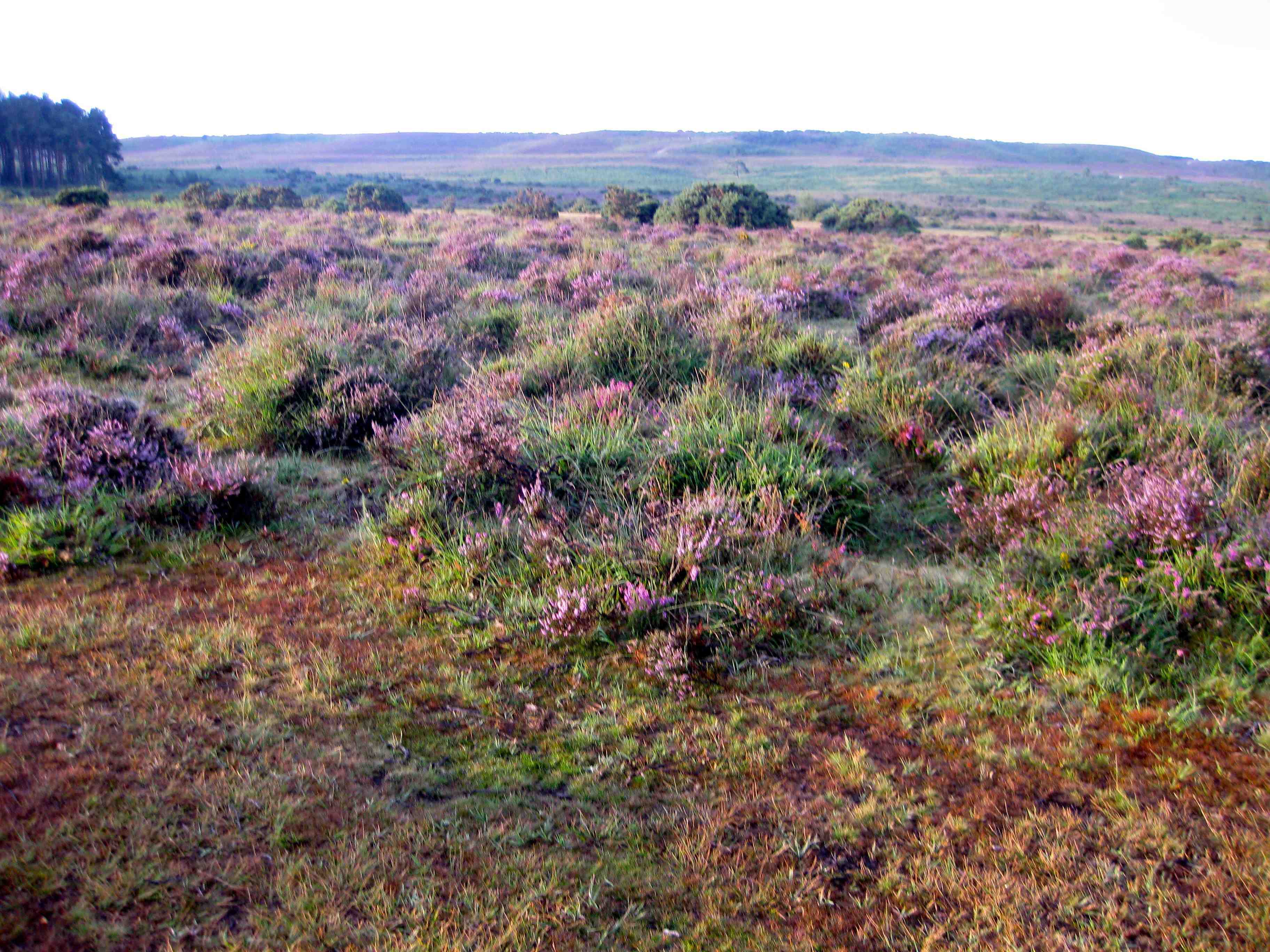
The New Forest heather covers the landscape in lilacs and purples.

The New Forest heather covers the landscape in lilacs and purples.

While walking in the Forest of late it is very evident that autumn is fast approaching. The early morning mists that weave silken ribbons of silver vapour through the valleys and woods are a telltale sign. Some of the leaves on the trees are already beginning to turn and will very soon produce a magnificent display of autumnal colour. The heathland is a mosaic of lilacs, purples, greens and browns that dovetail in bold blocks across the landscape. It is little wonder that with such natural beauty and vivid colours for inspiration the New Forest has been a magnet for artists, poets and writers. I walk the territory that my ponies haunt and find pleasure in the hunt for them. The natural beauty of the New Forest and the tranquility of the early mornings are quite restorative and, if I am able to find my mares, I am amply rewarded for my pre-dawn start.

The colour of ponies
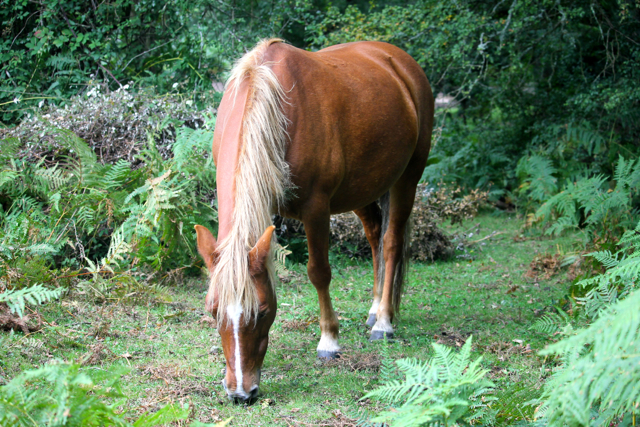
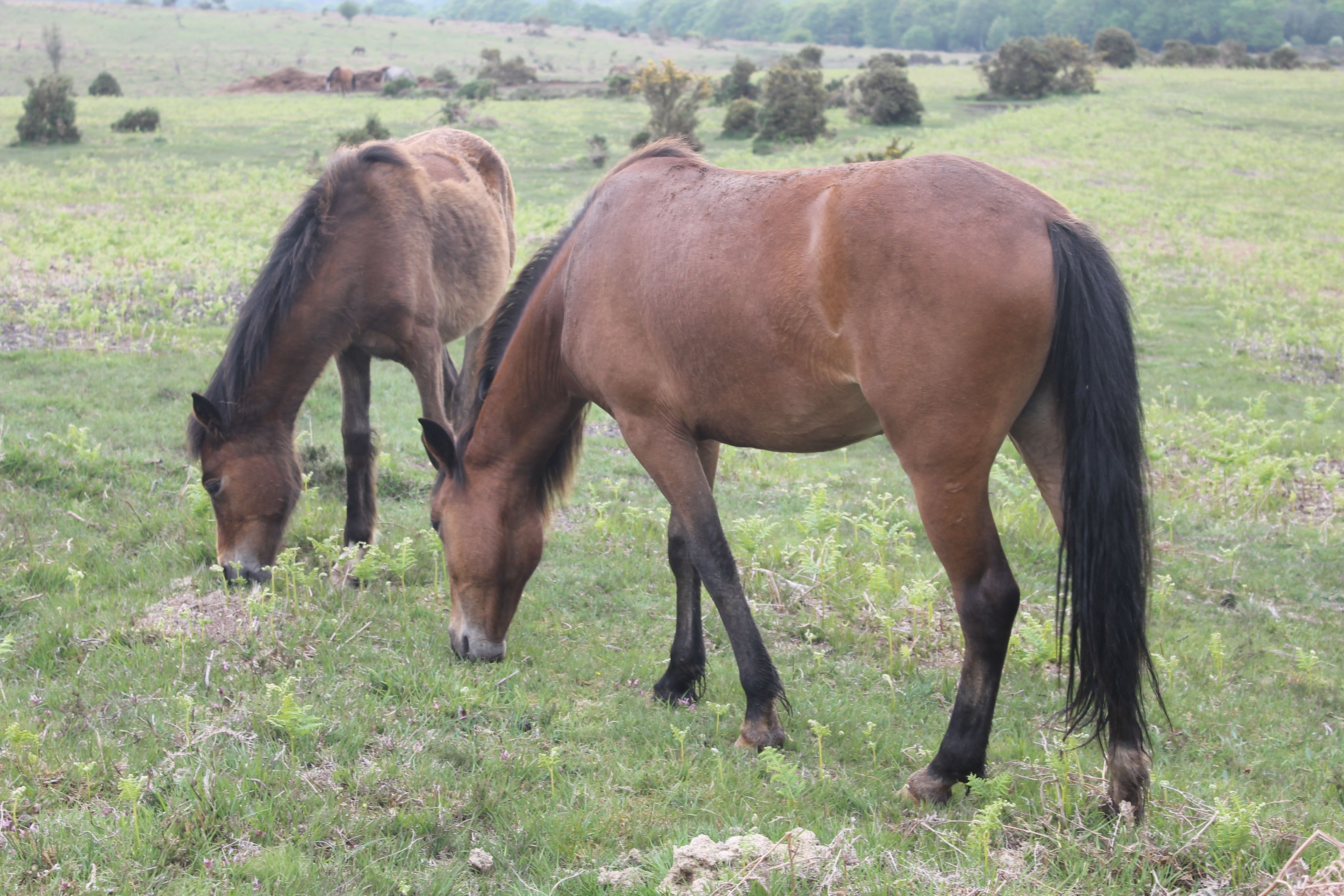
The herd that my mares belong to comprises mostly bay coloured ponies, which is a brown body with a black mane and tail. There is another herd that I often see in the same area, which is predominantly made up of grey ponies and so these I ignore. I look first for the herd with mostly bay ponies in it and then begin to try and identify some of the individuals. One of my mares is the colour of dried bracken, which is such a bright copper colour that she stands out from the others in the herd, so I tend to look for her first. She is usually in the company of her little sister, a bay yearling filly, and the pair are easy to spot from a distance. They show no signs of recognition when I go up to them. I have a good all round look to check they are in good health, with no obvious injuries, but make no attempt to touch or pet them. They are fairly ambivalent to my presence and regard me with only mild curiosity.

Architects of the Forest
The wild ponies make such a pretty picture grazing amongst the heather and gorse. Of course it is their foraging habits that have earned them the title ‘architects of the Forest’. However, while they may have created the landscape it is nature that has coloured it in. Ponies have dichromatic vision and only see in blue and green. Anything else in the colour spectrum, for example red or yellow, will just be processed as yet another shade of green. Given the time of year, although the New Forest ponies make up much of the beauty of the landscape, the many colours of autumn will be sadly lost on them.

I look forward to finding my ponies and checking them over.

I look forward to finding my ponies and checking them over.

Posted in New Forest | Tagged , , , , , , , , , , , , , , , , | Leave a comment

Smugglers in the New Forest.

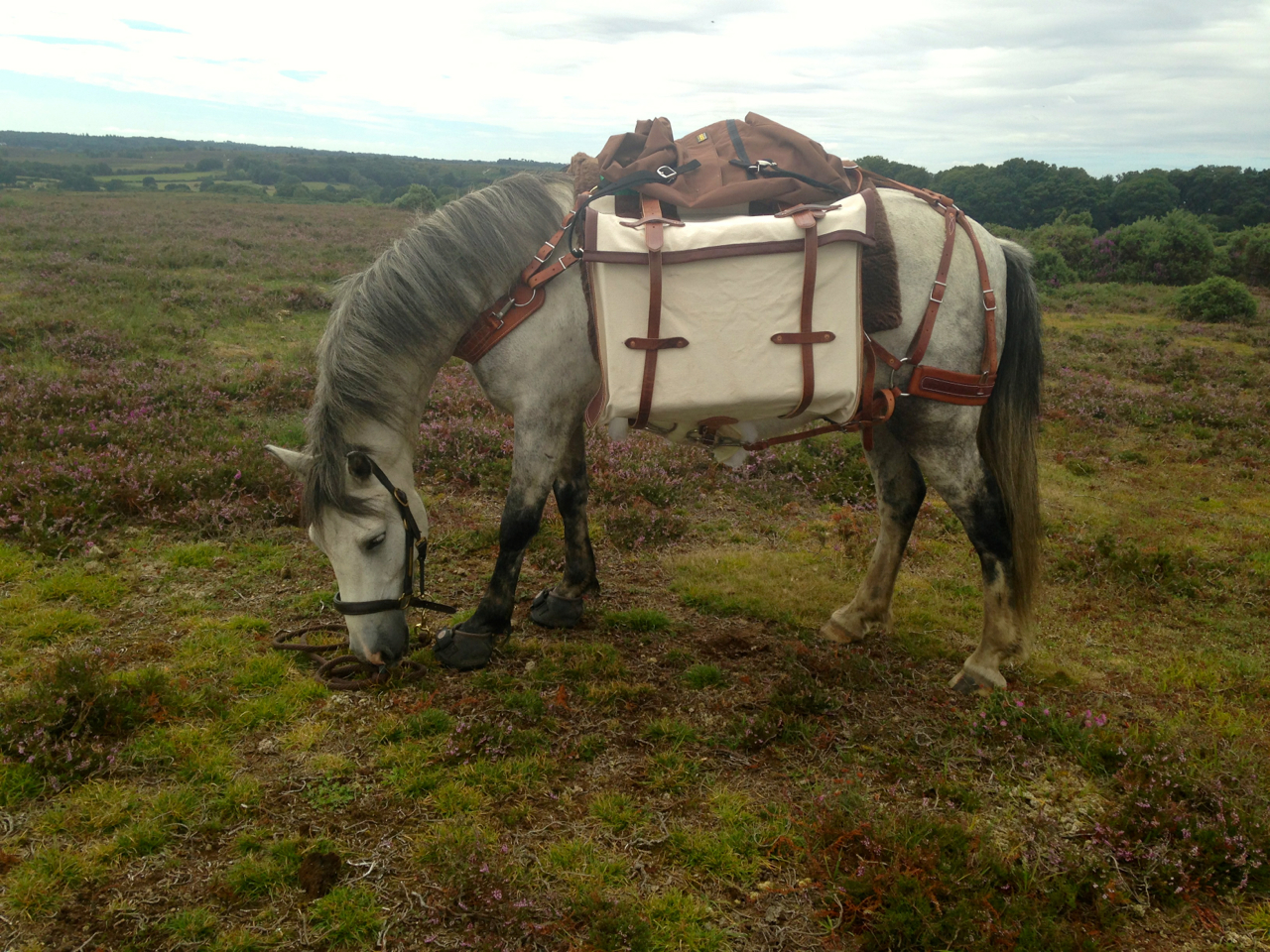
New Forest ponies were used in smuggling activity to carry contraband from the coast to places in the Forest, where the booty could be distributed. Their surefootedness and suitabily to the terrain made them perfect accomplices.

New Forest ponies were used in illicit smuggling activity their surefootedness and suitabily to the terrain made them perfect accomplices for the ‘Gentlemen of the Night’.

The more I learn about the ancient system of commoning the more I realise that it has always been a very pragmatic way of life. The commoner’s intimate knowledge of the Forest and their canny resourcefulness enabled many, who often lived a subsistence existence, to supplement their incomes. In times past many commoners would have been involved in so called ‘free trading’, otherwise known as smuggling. This illicit activity was an important part of the black economy in the area for nearly five hundred years. For the majority of the eighteenth century a shilling a day was a fair wage for most workers, so the additional financial rewards made by smuggling played an important part in peoples lives.

Customs & Excise
Customs duties on imported and exported goods were well known as far back as Magna Carta. But smuggling did not become a large-scale activity until the reign of Edward I (1239 – 1307) when taxes were imposed to pay for his many military campaigns. The initial duties were small, but as the Hundred Years War progressed in the 14th century successive monarchs increased the tax in order to fund troops and further fighting. During the Civil War Oliver Cromwell also introduced Excise, which was a tax on products made and consumed at home. People cared little for the difference between these two taxes though. What they really cared about was that the goods they were buying were becoming either increasingly expensive or actually unaffordable. Thereafter many residents in the coastal areas of southern England, including the New Forest, used all their cunning and ingenuity to avoid paying Customs and Excise by free-trading in goods, such as tea, tobacco, alcohol, lace and silk.

Gentlemen of the Night
Stories abound in the New Forest of secret tunnels, passages and cellars in cliffs, under common land and in farm buildings. Many of the older inns and taverns in the Forest were frequented by smugglers who would meet at these public houses to plan their illegal activities. Gangs of smugglers became local heroes and their exploits were the stories of legend with their daring adventures and evasions of the law being exaggerated to out-do the gangs from neighbouring districts. However, the ‘Gentlemen of the Night’ were not always men. One of the most romanticised smugglers from the New Forest was Miss Lovey Warne. According to legend she was actively engaged in smuggling and would ‘would hitch up her skirts, jump on her horses and join her brothers Peter and John in a contraband run.’ Her principle role though was to alert the smugglers to the presence of revenue men. She would wear a cloak of brightest scarlet and walk across Vereley Hill, where she was clearly visible for miles around, and so warn the smugglers of danger.

From free trade to the tourist trade
The indomitable New Forest pony was also an important part of the supply chain carrying contraband either in packs or on wagons from the coast to meeting places in the Forest where the booty was then distributed. Their surefootedness and suitability to the terrain meant that they were able to carry smuggled goods day or night. The smuggling way of life died out from the middle of the 19th century. When Britain adopted a free-trade policy in the 1840s it reduced import duties significantly, effectively making smuggling no longer an economically viable activity. However, by then the New Forest had begun to be popular with Victorian visitors and, ever a practical people, the commoner’s were subsequently able to increase income from the newly developing, and quite legitimate, trade in tourists.

The New Forest pony was an important part of the smugglers supply chain, carrying contraband either in packs or on wagons from the coast to meeting places in the Forest where the booty was then distributed.

The New Forest pony was an important part of the smugglers supply chain, carrying contraband either in packs or on wagons from the coast to meeting places in the Forest where the booty was then distributed.

Photo of pack pony supplied by kind permission of the New Forest Packhorse Company.

Posted in New Forest, New Forest Commoner, New Forest pony | Tagged , , , , , , , , , , , , , , , , | Leave a comment

Pilgrimage to the New Forest Show 2014

Last week I made my annual pilgrimage to the New Forest & Hampshire County Show, a three-day celebration of local and countryside related activities. I always attend on the Wednesday, which is traditionally the day that features the New Forest ponies. It’s a great opportunity for me to catch up with people, look over the ponies in the showing classes and watch the elegant turnouts in the Private Driving Classes. I generally spend the whole day at the showground, from early morning until late in the afternoon, and there still doesn’t seem to be enough time to take it all in.

Agricultural improvement and innovation
Over the years the show has grown in size and is now held for three days – Tuesday, Wednesday and Thursday – in the last week of July. The show was established just after the First World War, in the early 1920’s, to highlight and nurture agricultural improvement and innovation. This philosophy continues today and the New Forest Agricultural Show Society, which is a registered charity, aims to ‘promote and encourage the development of agriculture, forestry, equestrianism and horticulture and encourage the improvement in the breeding of stock’. Originally it was a small, one-day event held at Bartley Cross. Entrance for the first show was charged at two shillings and four pence, when between 1,000 and 1,500 people attended. There was even an hour’s break in the middle of the day for people to take their lunch!

Catching up
Since then many changes have occurred and, to me, it seems that the show improves with every year. Nowadays nearly 100,000 people attend the event, which was moved to its current New Park location in the mid-1950s. I spend much of my time at the show talking to the organisations that represent New Forest interests and its flora and fauna. The depth of knowledge and the dedication that is communicated by these people, the majority of whom are volunteers, always impresses me. I also catch up with many of my commoning friends, the Verderers of the New Forest and the Commoners Defence Association, as this is probably one of the only occasions to find them all in the same place at the same time.

Practical roots
In the days before the invention of the mobile phone and electronic mail, these events were a great opportunity for the commoners to get together, exchange information, view the livestock and organise the commercial, practical and social activities of the Forest. Such traditional practices and customs remain an integral and influential part of the New Forest today. Of course many of these traditions have very practical roots. The decision to hold the show during the mid-week dates back to the earliest one-day shows, which were always timed to be on the last Wednesday in July. Why? Because Wednesdays were always ‘early closing’ days and organisers could then expect greater local attendance!

Carriage driving is always a popular attraction at the New Forest Show.

Carriage driving is always a popular attraction at the New Forest Show.

Of course the star of the show is the New Forest pony!

Of course the star of the show is the New Forest pony!


Posted in New Forest | Tagged , , , , , , , | Leave a comment

Commonable animals and road traffic accidents

Agisters attend to the welfare of the commonable stock at all hours and in all weathers.

Agisters attend to the welfare of the commonable stock at all hours and in all weathers.

Recently I was talking to someone who had heard about a particularly nasty hit and run fatality in the New Forest that had involved a pregnant donkey. The details were utterly horrific and the witness who discovered the dead animal and her unborn foal spread across the road were deeply shocked and affected by what they had seen. The owner of the donkey was understandably distraught. Indeed, those who know the details of the incident were also distressed by it.

Some free-roaming animals are killed or injured in road traffic accidents in the Forest each year. Hit and run incidents, though, are particularly distressing. Even animals that are quite seriously injured can flee the scene after an impact with a vehicle. Drivers should not assume that because the animal has run away it is unscathed. Calls to the Police or Verderer’s Office to notify them of accidents involving livestock on the New Forest will enable the Agisters to be called out and attend the scene promptly to find the animal involved. Without notification an injured animal can be left in great pain and distress for many hours or even days before its predicament is discovered. “Do the Agisters go out at any time, day or night, to search for a pony that may be injured”, I was asked. “Yes they do”, I answered. In fact they go out at all hours and in all weathers. The Agisters primary concern is for the welfare of the commonable stock and they go to great lengths to find and tend to injured animals.

The first death of a commonable animal in a road traffic accident was recorded at Brook in 1903. Since then the number of incidents has been climbing. Last year (2013) there were 54 ponies, 17 cattle,  and a sheep killed on New Forest roads. While 19 ponies, nine cattle, a pig, a sheep and two donkeys were injured. The person I was talking to was surprised to learn that one of the biggest contributing factors to road traffic accidents involving the ponies and cattle on the New Forest are the people who feed the animals in the car parks or who deposit food on the roadside verges. When this happens the food bonanza encourages the ponies and cattle into the areas where they are exposed to the dangers of vehicular traffic. Ponies have the mental capacity of a two year old child and when lured by the offer of a tasty treat what animal (or toddler) would be able to calculate the risk compared to the reward? Indeed the people who think they are being kind by giving titbits to the ponies are not only teaching them to not fear cars but they are unwittingly exposing them to real harm too.

The New Forest ponies are free to roam and like other travellers use the roads to get from A to B.

The New Forest ponies are free to roam and, like other travellers, use the roads to get from A to B. But feeding the ponies teaches them to not fear cars and lures them into the car parks where they are exposed to real danger.

NB: If you find a sick, injured or dead pony, cow, donkey, pig or sheep (other than one involved in a RTA), call the Verderers’ Office: 02380 282052 during normal office hours, or 02380 283141 at other times.

For sick or injured deer, ring the Forestry Commission on 02380 283141.

Posted in New Forest, New Forest Commoner, New Forest pony | Tagged , , , , , , , , , , , , | Leave a comment

New Forest: lowland heath and commoning

The New Forest is a landscape of irreplacable habitats that supports a diversity of wildlife.

The New Forest is a landscape of irreplacable habitats that supports a diversity of wildlife.w

For all its wilderness qualities the New Forest is an area that has actually been managed for over a thousand years. Generations of commoners, and their free-roaming ponies and cattle have maintained the landscape and, through their traditional practices, provided for a diversity of plants and wildlife. As a result the New Forest boasts many scarce species and habitats including lowland heath. Lowland heath has declined greatly in extent during the last two centuries – in England it is estimated that only one sixth of the heathland present in 1800 remains. The UK supports about 20% of the lowland heath in Europe and it is a habitat even rarer than tropical rain forest. The New Forest is a stronghold for lowland heath and the numerous highly specialised plants and animals that depend upon this incredible habitat. It is particularly important for reptiles, such as the adder, the rare sand lizard and the smooth snake. A number of scarce birds use lowland heathland as their primary habitat, such as the nightjar and Dartford warbler. Many scarce and threatened invertebrates and plants are also found on lowland heathland.

Heathland occurs on acidic, impoverished, dry sandy or wet peaty soils, and is characterised by the presence of a range of dwarf-shrubs, which include various types of heather and gorse. These natural resources have traditionally been harvested and managed by the commoners of the New Forest. Ling heather, particularly, had many uses, such as basket making, brushes and besoms, rope making, bedding, dye, fuel, thatching and wattle. The flowers could even be used to make a satisfying tea or heather ale. Bracken, which is also found on heathland was used for roofing, bedding for livestock or mixed into their feed for bulk. Even the prickly gorse could be harvested with care and was used for fuel or fodder during the hard winter months. It was widely regarded as a medicinal tonic and its flowers could also be used to make a popular variety of wine.

Improving standards of living and advances in farming, technology, and conservation techniques meant that the labour-intensive harvesting, predominantly by hand, and ancient land management practices, which maintained the heathland, were no longer necessary. Nowadays the preservation of the heathland continues to rely upon the grazing of the commoner’s animals but regular mechanical cutting of the bracken and controlled burning of vegetation is employed to mimic historical management practices. The free-roaming ponies and cattle prefer to feed upon the younger age classes of heather and gorse, so the management techniques of the heathland encourage new growth, which creates food for commoning stock but is also beneficial to a huge variety of flora and fauna. The utility of the heathland vegetation to the commoning way of life has ensured its survival and along with it the many species of insects, small mammals and birds. This cycle of management, which has lasted for hundreds of years, if maintained, will offer the New Forest heathland the prospect of relative ecological stability for many more years to come.

Heather is one of the dwart-shrubs that typify lowland heathland habitat.

Heather is one of the dwart-shrubs that typify lowland heathland habitat.

VIDEO: Majestic Heathlands – by Simon King/New Forest National Park Authority 

Posted in New Forest, New Forest Commoner | Tagged , , , , , , , , , , , , , | Leave a comment

New Forest: William the Conqueror and divine retribution

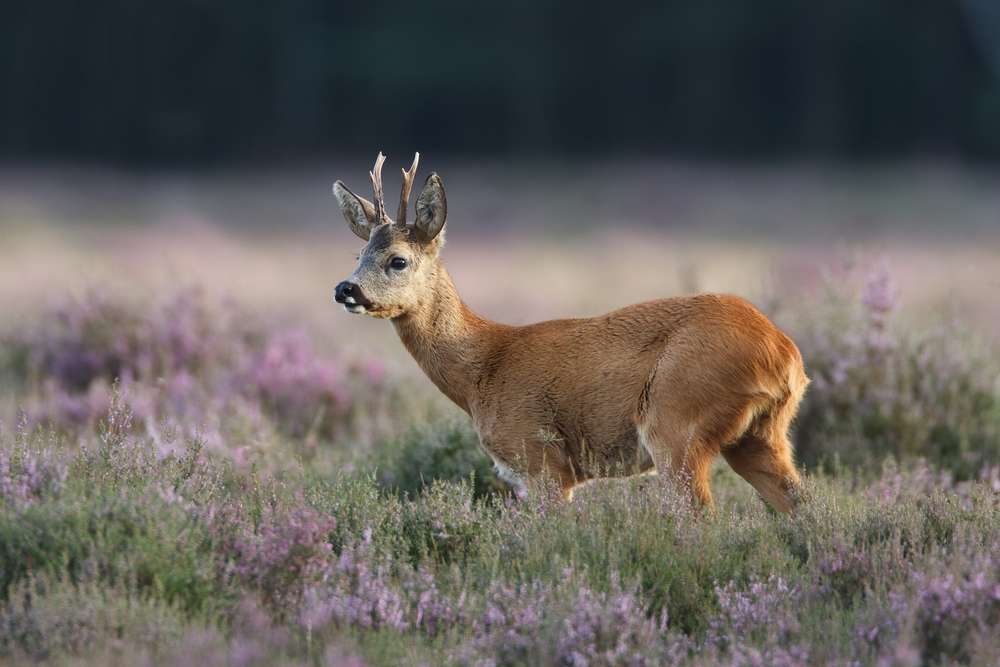
The red deer is Britain's largest land mammal and it is a true native species and a resident of the New Forest.

William the Conqueror created the New Forest for royal hunting.

I was inspired to read more about William the Conqueror, after attending an event at the Chalke Valley History Festival (2014). Apparently after the Norman invasion, which followed the Battle of Hastings in 1066, he attempted to integrate with the English but the natives simply refused to act like a conquered people. So, he decided to get tough. Really tough. Constant rebellions in Mercia and Northumbria caused William to adopt tactics so merciless that the period, known as the ‘harrying of the north’, is infamous. So great was his wrath that men, women and children were slaughtered in their thousands and the devastation to the land was alleged to have been so great that it caused a famine, which lasted for nearly a decade. He began to ruthlessly subjugate the English people and replace the native hierarchy with his own. One historian went so far as to say that William I was so cruel to the English that men, women and children were left nothing but their eyes to weep with.

Forest Laws of Venision and Vert
No wonder then that the chroniclers associated the creation of the New Forest in 1079 with extensive depopulation and destruction of churches. But in this William I was probably unfairly accused. Modern historians believe that the topography of the Forest would not have been able to support large settlements, so there could hardly have been any mass evictions from the area on the scale alleged. Nevertheless he did impose ‘Forest Laws’ to protect the beasts of the chase for royal hunting. A court system and tier of officials, including Agisters and Verderers, were established to uphold and administer the legal framework. The laws of ‘venison and vert’ resulted in extreme punishments, such as blinding, having a hand cut off or even the death penalty for transgressors who were caught disturbing or poaching deer, felling trees, clearing forest land for agricultural use or fencing the land (even if the land belonged to them). After the creation of the New Forest the inhabitants were forbidden to do anything that would impede the chase during the hunt.

Death on the Forest
The English hated William I and his harsh laws, so it was seen as divine retribution when the New Forest claimed the lives of two of his sons and a grandson. Richard of Normandy perished by the effects of a ‘pestilential blast’ while out hunting; William II (Rufus the Red) was slain by a stray arrow, which had ricocheted from a tree after being fired at a stag; and, Richard, the Conqueror’s grandson, ‘met his death from having his hair become entangled in the boughs of a tree, as he was eagerly pursuing the chase’. Nevertheless, although hunting-mad William I had restricted the liberties of the Forest inhabitants he did compensate them, in a manner of speaking, by allowing their domestic animals roam freely to graze. In doing so ‘Rights of Common’ and the commoning tradition was established in law and practice, and the rest, as they say, is history.

King William II (Rufus the Red) was killed in a hunting 'accident' in 1100.

William the Conqueror’s son, William II (Rufus the Red), was killed in a hunting ‘accident’ in 1100.

Posted in New Forest, New Forest Commoner | Tagged , , , , , , , , , , , , , , , | Leave a comment