New Forest: Lane Creepers

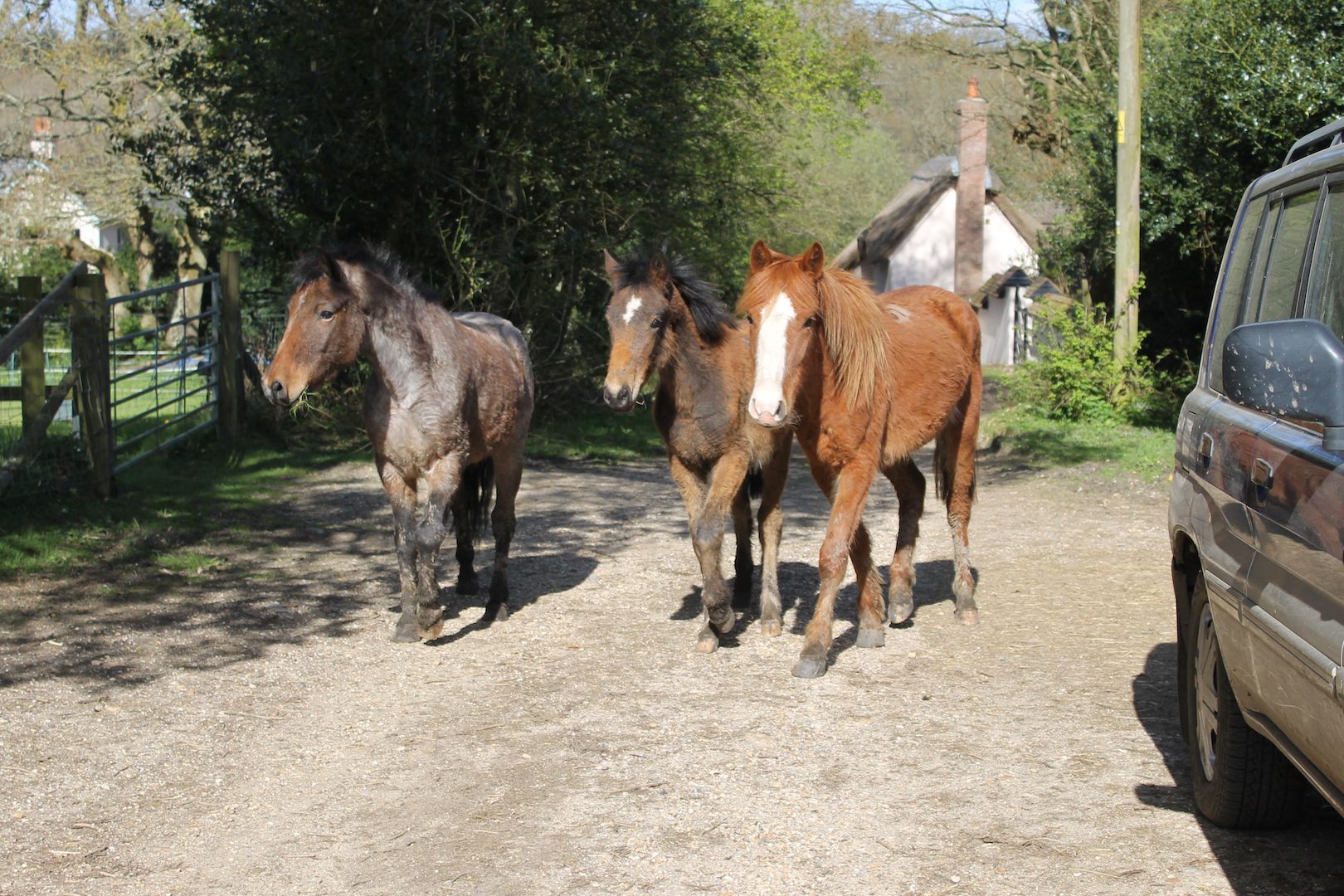
Ponies who regularly wandered beyind the Forest boundary to graze the verges were known as 'Lane Creepers'.

Ponies that regularly wandered beyond the Forest boundary to graze the roadside verges were known as ‘Lane Creepers’.

Before the New Forest was fenced and gridded the free-roaming stock ranged widely outside the official boundary. Commoner’s ponies were known to reach as far as the eastern suburbs of Southampton, down into Christchurch in the southwest, and almost into Salisbury in the north. They were also regular visitors to Romsey, Ringwood, Fordingbridge and other neighbouring towns and villages. The furthest reported case of pony wandering off the Forest was in Abbots Ann, near Andover. The ponies grazed the roadside verges and would take advantage of any gate opened to field, farm or garden. Unfortunately, many Forest ponies became habituated to travelling the lanes, where the pickings were often easier than for their Forest dwelling relatives and it was not uncommon to find half a dozen working their way along the verges. These hardened wanderers became known as ‘Lane Creepers’. Once this habit was established it became very hard to discourage.

Exasperated owners of Lane Creepers, who received regular summonses and fines for allowing their animals to stray on the highway, tried numerous ways to curb the habit. Some commoners, for example, used hobbles, a device attached to the front legs in order to impede the pony’s travel. However, the Forest ponies soon learned to circumvent their bonds and it was reported that some ponies had learned to gallop even in their hobbles! Some commoners tethered the ponies on long chains in the Open Forest but well-meaning visitors would often pull-up the tether-pegs and release the ponies leaving them to wander yet again but with yards of chain trailing behind them. Inevitably the sales ring was where many of the Lane Creepers ended up.

The difficulty with these ponies pursuing their wandering habits was that while they were inside the Forest perambulation they had right of way, but outside the boundary they effectively became trespassers and any damage they caused was liable for payment by their owners. Owners of property that had been invaded were entitled to impound the animals and charge their commoning owners for all costs involved. The ponies that were captured in the public pounds could only be released once the fees had been paid, which included the cost of the pony’s keep. For those poor commoners unfortunate enough to own persistent offenders the costs incurred could be considerable, and certainly more than the pony was worth. So, it was not unheard of for commoners to mount dawn raids on the pounds to release the ponies before they could be identified and their owners fined. However, this tactic was well known and many tales are told of ‘cat and mouse’ games between commoners and the authorities that tell of derring-do and ingenuity of capture and evasion on both sides! Tales that ended, of course, when the Forest boundary was fenced in the early 1960’s.

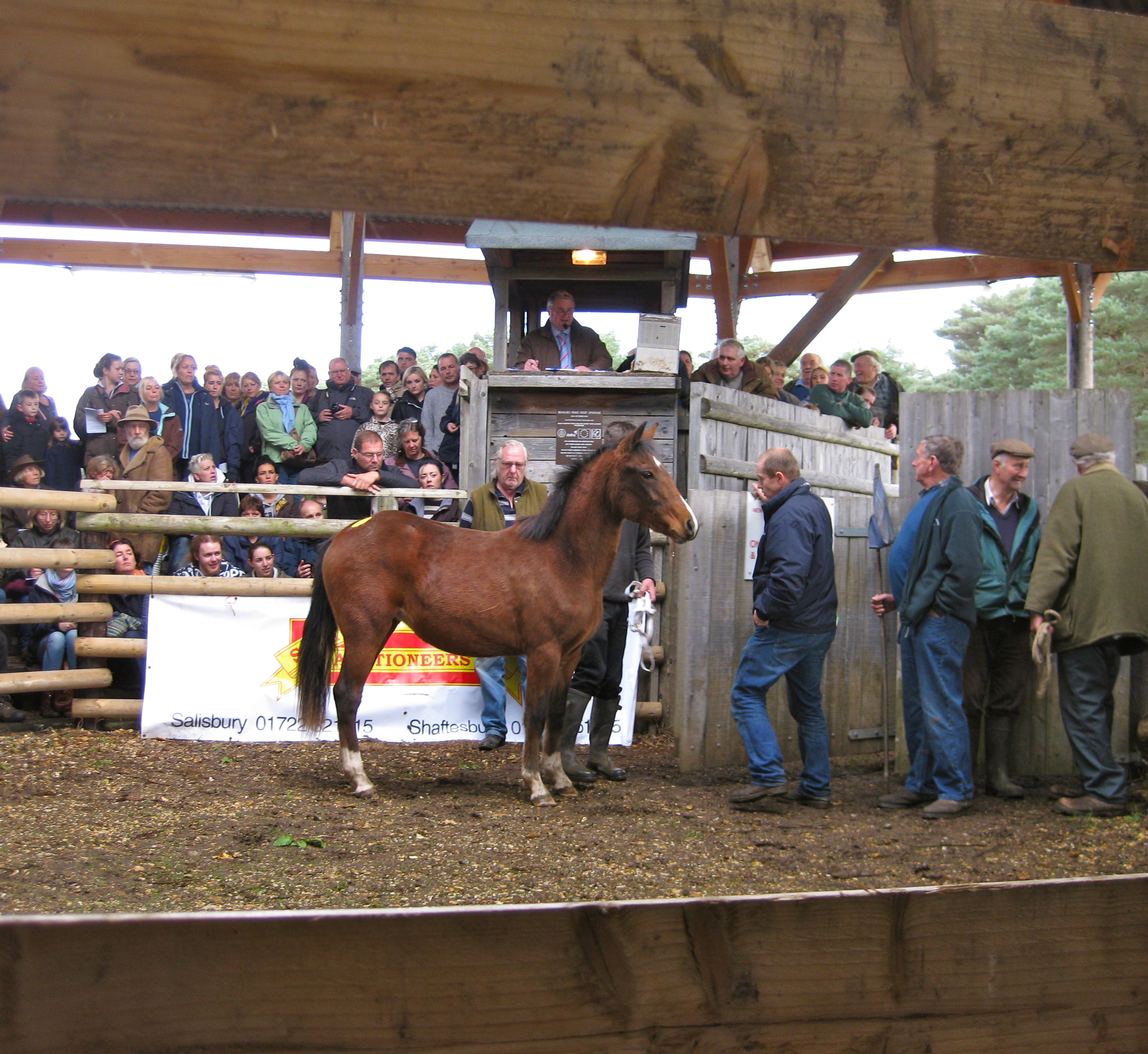
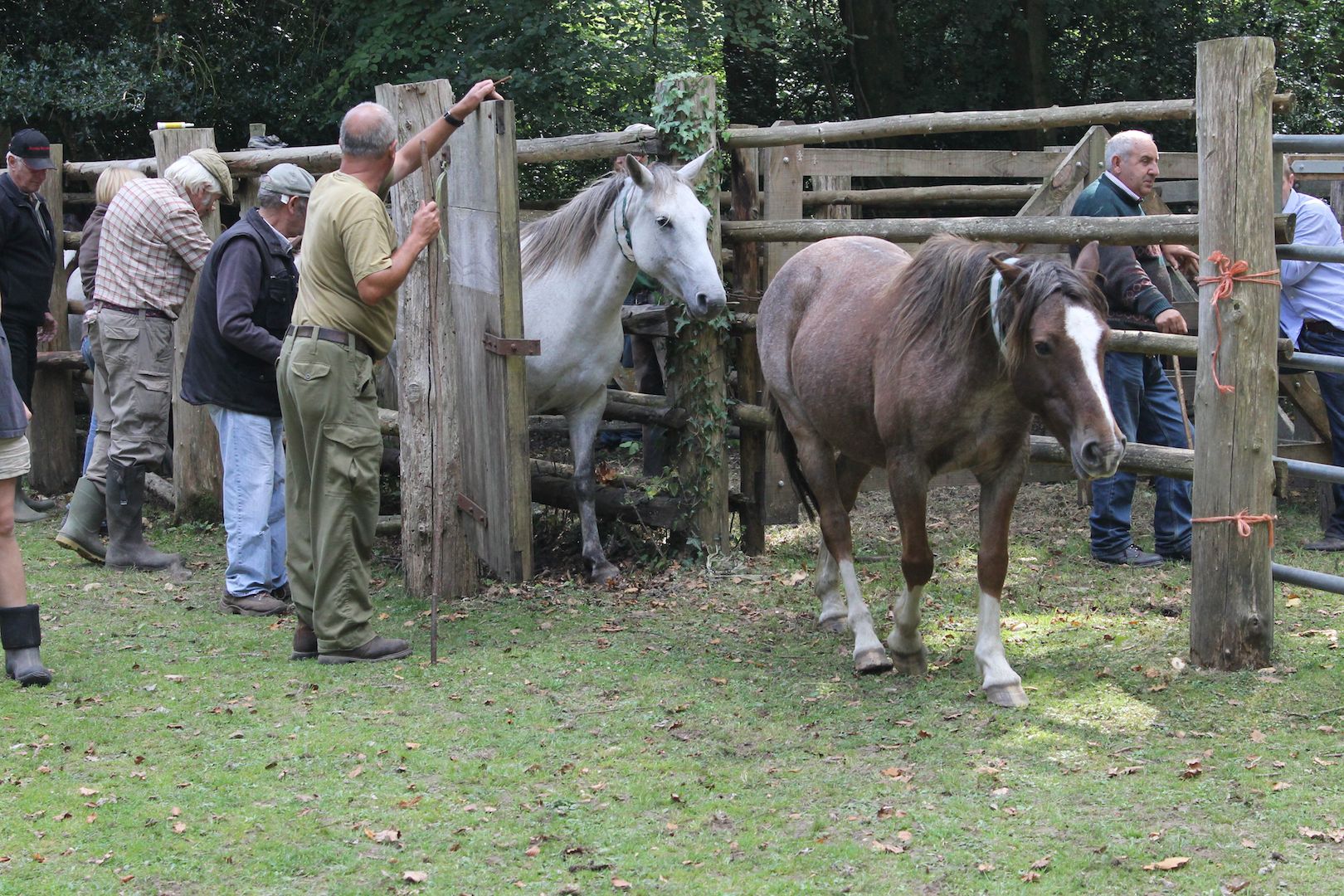
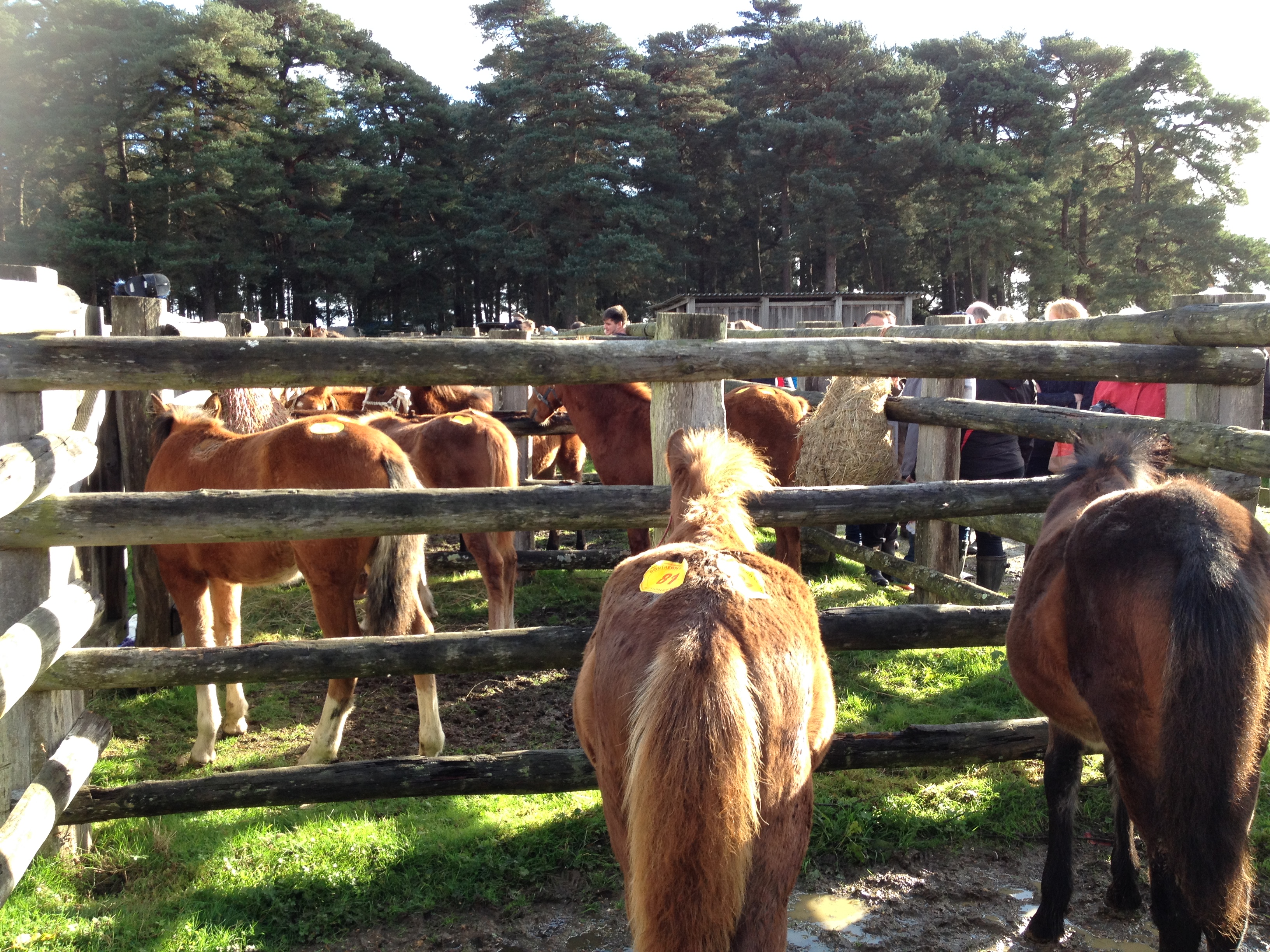
Ponies are collected and held in the pound for processing.

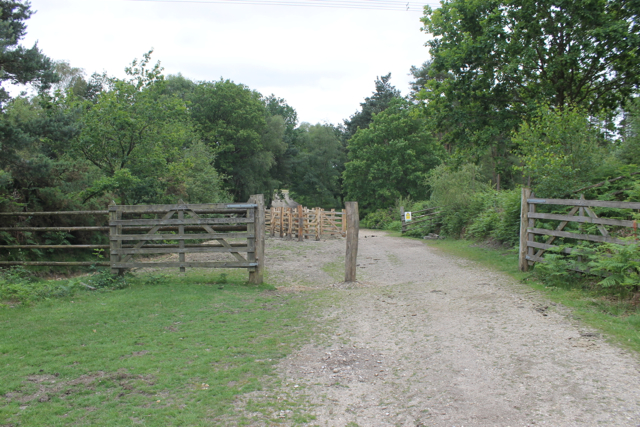
Pounds are located all over the New Forest for collecting and holding ponies. There were also pounds situated in the towns surrounding the Forest, where persistent Lane Creepers were held (and from where their owners often tried to ‘break them out’!)

Posted in New Forest, New Forest Commoner, New Forest pony | Tagged , , , , , , | Comments Off on New Forest: Lane Creepers

The New Forest and The Great War.

Many New Forest ponies saw active service in the Great War.

Many equines, including New Forest ponies, saw active service in the Great War.

Watching the Remembrance Day service was particularly poignant this year. World War One, which lasted from 28 July 1914 until 11 November 1918, began a hundred years ago. When seeing the expressions on the faces of the men and women surrounding the Cenotaph in London it really did not seem to me as if time had not diminished the psychological and emotional impact of one of the deadliest conflicts in human history. There were over 37 million military and civilian casualties during the four years of The Great War. But alongside these human victims there were also animal casualties. Horses, ponies, mules, dogs, pigeons and camels were just some of the many non-human species recruited to aid the war effort, making up a 16 million-strong army of animals. The lives of 9 million animals were lost. In just one day during the 1916 Battle of Verdun in France, for instance, some 7,000 horses were killed.

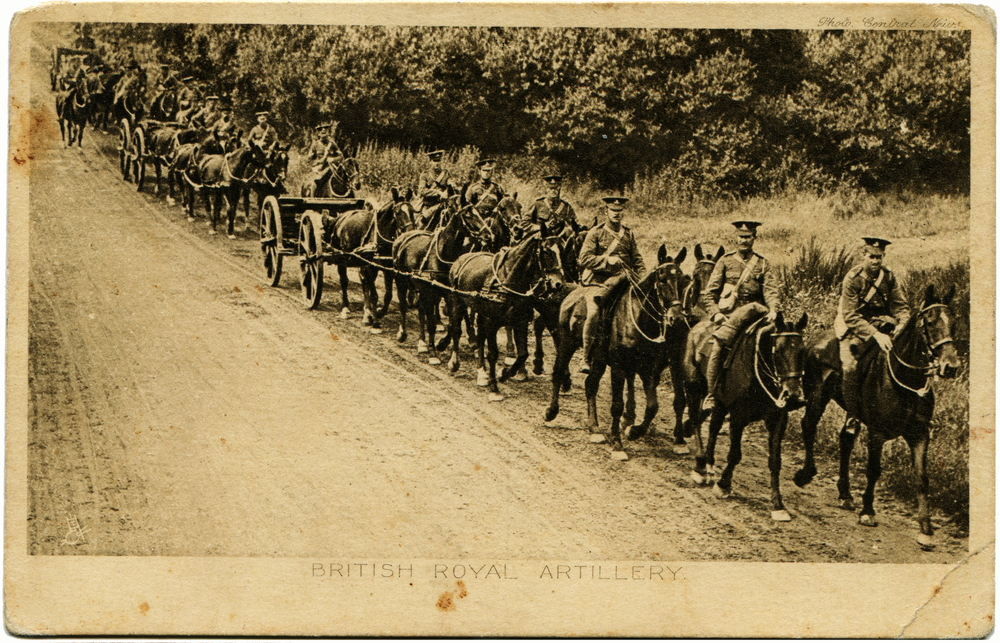
In 1914, at the outbreak of war, the British army possessed only 25,000 horses and the War Office needed to recruit half a million more mounts for the cavalry and artillery regiments, to work in the transport and supply chains, on reconnaissance missions or to carry the dead and wounded away from the battlefields. To meet this urgent demand the military authorities requisitioned draft horses, shires, hunters and riding ponies. Although there are no definitive figures available it is certain that many New Forest ponies, and indeed their commoning owners, were called into the service of their country. The Forest pony had already gained something of a reputation during the Boer War, where it regularly out-performed other breeds. Its agility and hardiness proved to be an asset in the rough terrain and privations of the battlefield.

The New Forest itself became a training area, staging post to the continent, site of military hospitals and other ancillary services. The New Forest was used by the military then in much the same way as Salisbury Plain is used today. In the autumn of 1914, for example, the 7th Division was encamped at Lyndhurst with twenty thousand infantry, four thousand horses, artillery and all other necessary equipment. The presence of massive numbers of troops and horses had a major impact on the landscape. As the war progressed from months into years steps were taken to reduce the worst of the effects on the Forest, which included damage resulting from manoeuvres, practice trenches and open pits, widespread litter, disturbance of free-roaming stock and the rising toll of ponies and cattle killed by military vehicles. After the hostilities had ended the Verderers of the New Forest worked with the War Office to return as much of the landscape as possible back to its original form, including the removal of large areas of concreted parade grounds and runways. Today there remains little permanent evidence of the Great War upon the Forest except for the presence of the memorials, which are found in each village, dedicated to the Forest inhabitants, many from long established commoning families, who sacrificed their lives in the war.

The Great War lasted from 28 July 1914 until 11 November 1918.

The Great War lasted from 28 July 1914 until 11 November 1918.

Posted in New Forest, New Forest Commoner, New Forest pony, The Great War | Tagged , , , , , , , , , , , , , , , | Comments Off on The New Forest and The Great War.

New Forest: home to the commoners

Commoning is a very sociable enterprise, wherever they get together.

Commoning is a very sociable enterprise, wherever commoners get together.

The practice of commoning on the New Forest fills me with fascination. Learning about its history is totally absorbing and as I discover more about the events, community, and characters that have maintained the commoning system the more I want to know. Luckily for me the New Forest has a wealth of documentation that has recorded many aspects of its economic, political and social structure, its legal system and natural environment going as far back as the Anglo-Saxon Chronicles and the Doomesday Book. Some place names even pre-date the creation, in the 11th century, of the New Forest and record the natural features, aspects of pagan religion and even individual residents who lived here nearly a thousand years ago.

Several of the commoning families, who have turned out ponies and cattle for many generations, are a great source of information and practical support for me too. Much of the practice of commoning cannot be learned in books and in order to really understand the intricacies of this ancient pastoral system it is necessary to spend time in their company. The advantage to this of course is that I get to hear the personal histories and anecdotes that have generally been beneath the notice of academics and scientists and so haven’t been written down. These are narratives that weave the very fabric of the New Forest into the telling. It is obvious to me that the majority of commoners continue the system, not for economic reasons, but because it is a family tradition and way of life in which they grew up. The free-roaming animals are of course central to commoning and vital to the ecology of the Forest but the social aspect is also a major factor in continuing the practice. Commoners meet during drifts and colt-hunting, at markets or sales, at shows or at the point-to-point races and such gatherings reinforce social bonds and enable community cohesion.

Unfortunately the past few decades have seen a marked decline in the numbers of practicing commoners. Gone are the days of the once abundant Forest commoning smallholders who kept a mixed production enterprise with a high-degree of self-sufficiency; who turned out ponies and cattle and relied upon seasonal work, with local landowners or forestry services, to supplement their incomes. When, in the 1850’s a Parliamentary Commission set out to establish the rights of those living in the New Forest 1200 claims were allowed. There are probably about 500 practicing commoners on the New Forest today. The reasons for the decline are many and varied but one of the causes most often cited is the increase in property prices. The popularity of the Forest as a visitor destination, a trend that began in the Victorian times, has meant that it has also become a favoured location for retirement or second homes. As people seek a rural idyll in the New Forest the cost of housing and land vital to the continuance of commoning has soared. The average property on the New Forest is now priced beyond the reach of most established commoning families. Some efforts have been made to establish a stock of housing available for the commoning community through initiatives such as the Commoners Dwelling Scheme, which was set up in 1992 and is now administered by the New Forest National Park Authority. But, the New Forest Commoners Defence Association, who have been protecting commoner’s interests since 1909, believe that stakeholders also need to recognise that the New Forest is a working forest and to work closely with the commoners to enable them to continue their activities.

The practice of commoning, which has existed uninterrupted for over a thousand years, is still the dominant influence over the Forest’s ecology, economy and community.

The practice of commoning, which has existed uninterrupted for over a thousand years, is still the dominant influence over the Forest’s ecology, economy and community.

Posted in New Forest, New Forest Commoner | Tagged , , , , , , , , , , , | Comments Off on New Forest: home to the commoners

The New Forest: the future of commoning

The New Forest is believed to have the only surviving pastoral economy, based on the principal of common rights.

The New Forest is believed to have the only surviving pastoral economy, based on the principal of common rights.

The New Forest is an ancient landscape that has survived into modern times. It is a place of exquisite natural beauty, which is internationally recognised for its importance to wildlife. Because of its distinctive geography it has never been cultivated or intensively farmed. This has enabled an early form of pastoral economy, which even predated the creation of the ‘Nova Foresta’ in 1079, to survive along with the landscape. Commoning is one of the oldest forms of agricultural management known to man. It relies upon the shared use and management of natural resources and is mostly characterised by the grazing of free-roaming animals, particularly ponies and cattle. When the heathlands disappeared from Northern Europe, in the 19th and 20th centuries, so too did the commoners and their pastoral way of life. The New Forest is believed to have the only surviving pastoral economy in Northern Europe, based on the principal of common rights, that is left.

The future of commoning is inextricably interwoven with that of the Forest itself. Some scientists and social commentators have described the commoners and their animals as having complete interdependence with the Forest, while others have even labelled the relationship as ‘virtually symbiotic’. Commoning has been enshrined in law since the Middle Ages. Even so, that hasn’t prevented attempts to eradicate the practice in order to exploit the New Forest for private or commercial gain. Since the early laws were made successive kings and governments have tried to either control or erode the extent of rights of common or restrict the numbers of Forest inhabitants with those rights. A good example of this occurred in the 1850’s, when a Parliamentary Commission set out to establish the rights of those living in the New Forest. Although 1311 cases were examined only 1200 were allowed. In not one single case did the Commission confirm all the common rights that were claimed. In addition many of the commoners who could not read and write or did not have the finanical means to participate in the proceedings were deemed to have forfeited their rights by default!

Commoning, and consequently the New Forest, was in real jeopardy. Government policy was intent on enclosing the parts of the Forest that could be used for timber production and selling off or privatising the parts that could not. The plan would have left just a sixth of the Forest for commoning and nature. A vigorous campaign by the local gentry, commoners and residents’ captured national attention and the outcry to protect the New Forest and commoning culminated in the New Forest Act 1877. When one considers that this campaign was successfully brought without the aid of social media or the Internet it is a very impressive undertaking. Had this not happened, remarked one commentator ‘the New Forest would now be just a name on the map.’ Thankfully today the role of the commoners’ animals  in preserving the landscape of the New Forest is fully appreciated. The practice of commoning is also acknowledged for its enduring effect on the social, historical and cultural traditions of the area.

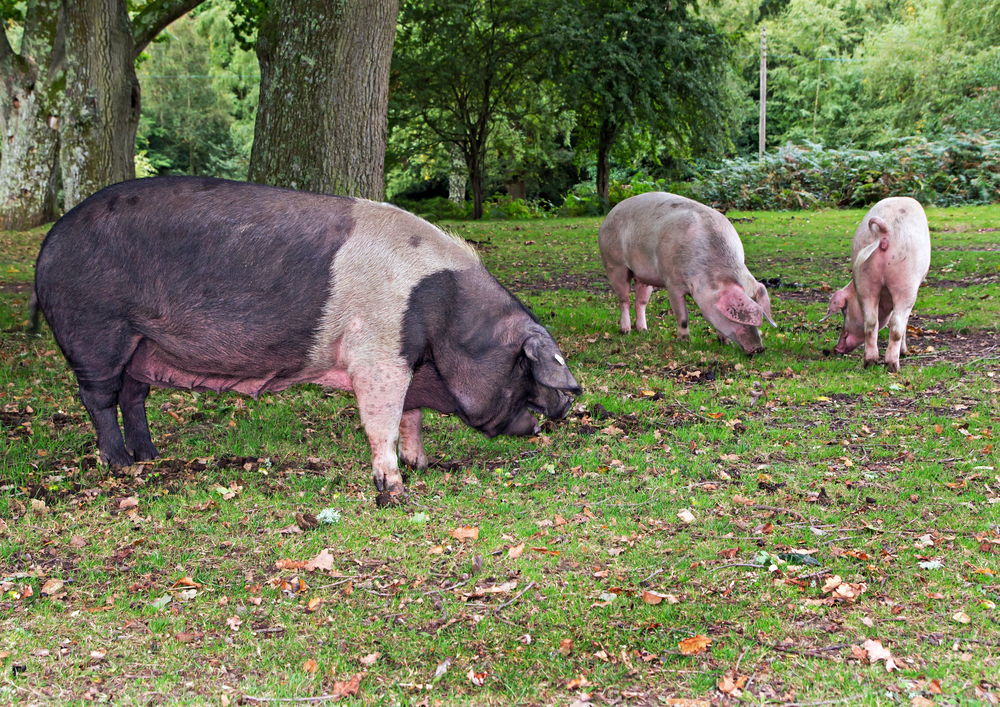
Pannage season is part of the ancient commoning rights and a popular tradition.

Pannage season is part of the ancient system of commoning rights and a popular tradition, particularly with the Forest’s visitors.

Posted in New Forest, New Forest Commoner | Tagged , , , , , , , , | Comments Off on The New Forest: the future of commoning

Bringing the ponies home.

My ponies know where 'home' is and, now and again, come by to check on us.

My ponies know where ‘home’ is and, now and again, come by to check on us.

When the clocks go back each autumn the daylight hours become fewer and the weather is generally more inclement. It’s a testing time for the commoners and can make searching for stock on the Open Forest quite an undertaking. I like to check on my mares as often as I can to make sure that they are healthy and injury-free. Of course in the summer walking or riding on the New Forest is an absolute pleasure and checking on the stock becomes a leisurely activity. With the majority of visitors coming to the Forest in the summer it’s also an opportunity to take advantage of all those extra pairs of eyes, who will alert the Verderers if they notice any ponies looking unwell. But in the winter it’s an entirely different proposition.

At the moment the sun rises at about 7.30am and there is simply not enough time in the mornings for me to get onto the Forest in the daylight and back in time to get ready for work. I am faced with the prospect of only being able to check on my ponies at weekends and relying on the other commoners to keep an eye on them during the week. There are fewer visitors around too and so the added bonus of other people looking over the commonable animals is also much reduced. In view of this I came to the decision that I was going to catch them up and bring them home. At least if they are on the holding I can check them daily and, if necessary, give them supplementary feeding to keep them in good condition when the worst of the winter weather arrives. Even in the deepest snow the ponies on the Open Forest are still able to find grazing by scraping back the snow with their hooves or by browsing the tips of the gorse. But even so I wanted to bring them home.

Generally speaking gathering the ponies from off the Forest would involve organising a colt-hunting team to go and round them up. However, my mares saved me the bother by one day simply turning up and asking to be let in. It was almost as if they had read my mind! It’s not unheard of for me to go out looking for them on the Forest and for them to turn up at home, usually with a bunch of their friends in tow. My mares know where they live and will, every now and again, come by and check on us! So on this occasion I was able to take advantage of their ‘homing’ instinct and when they appeared I opened the gates to the pasture and, seeing the plentiful grass, they needed no further invitation to move back home for the winter.

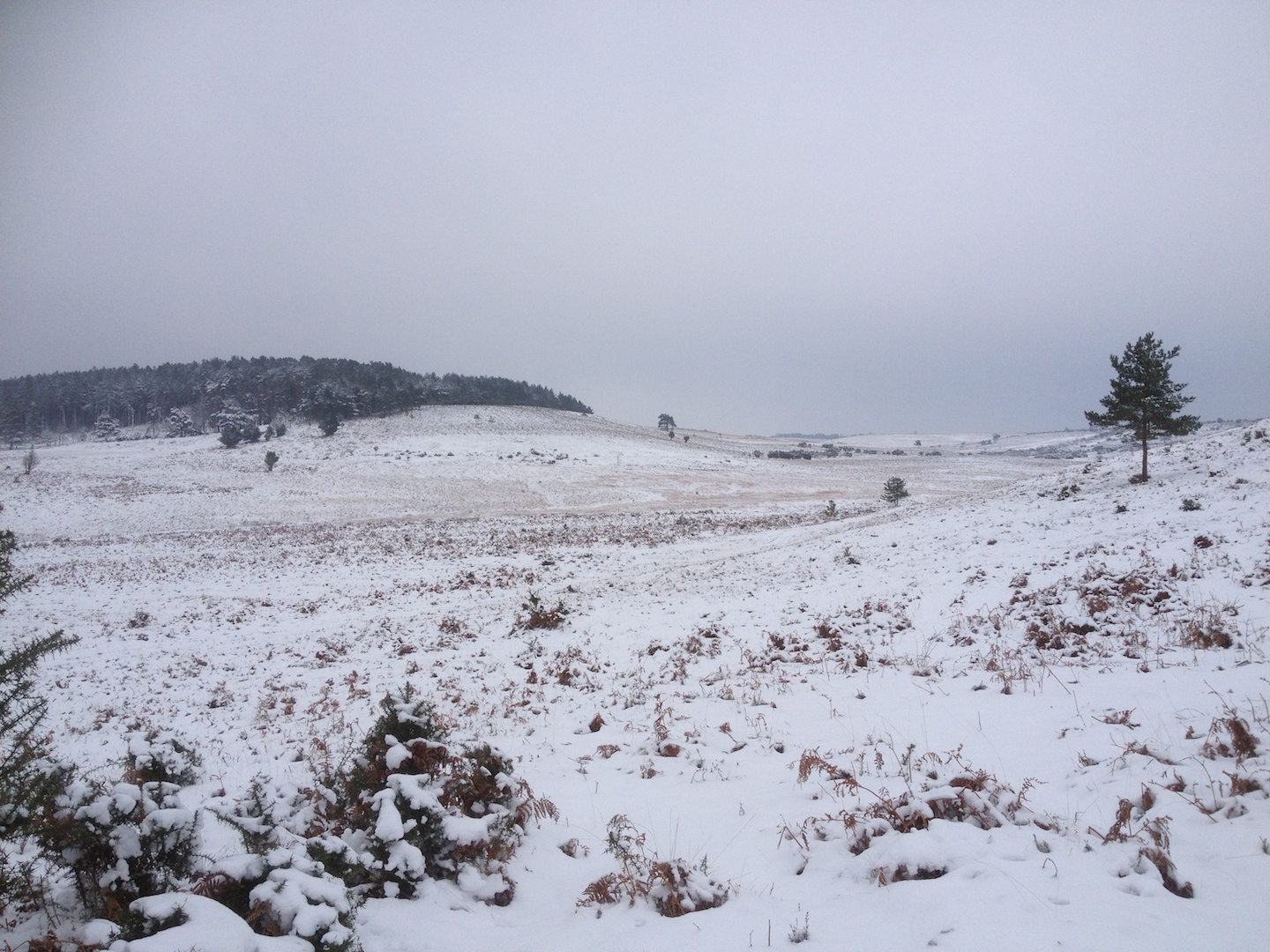
In the winter the New Forest can seem an inhospitable landscape.

In the winter the New Forest can seem an inhospitable landscape.


Posted in New Forest, New Forest Commoner, New Forest pony | Tagged , , , , , , | Comments Off on Bringing the ponies home.

New Forest pony: wild or tame but always clever.

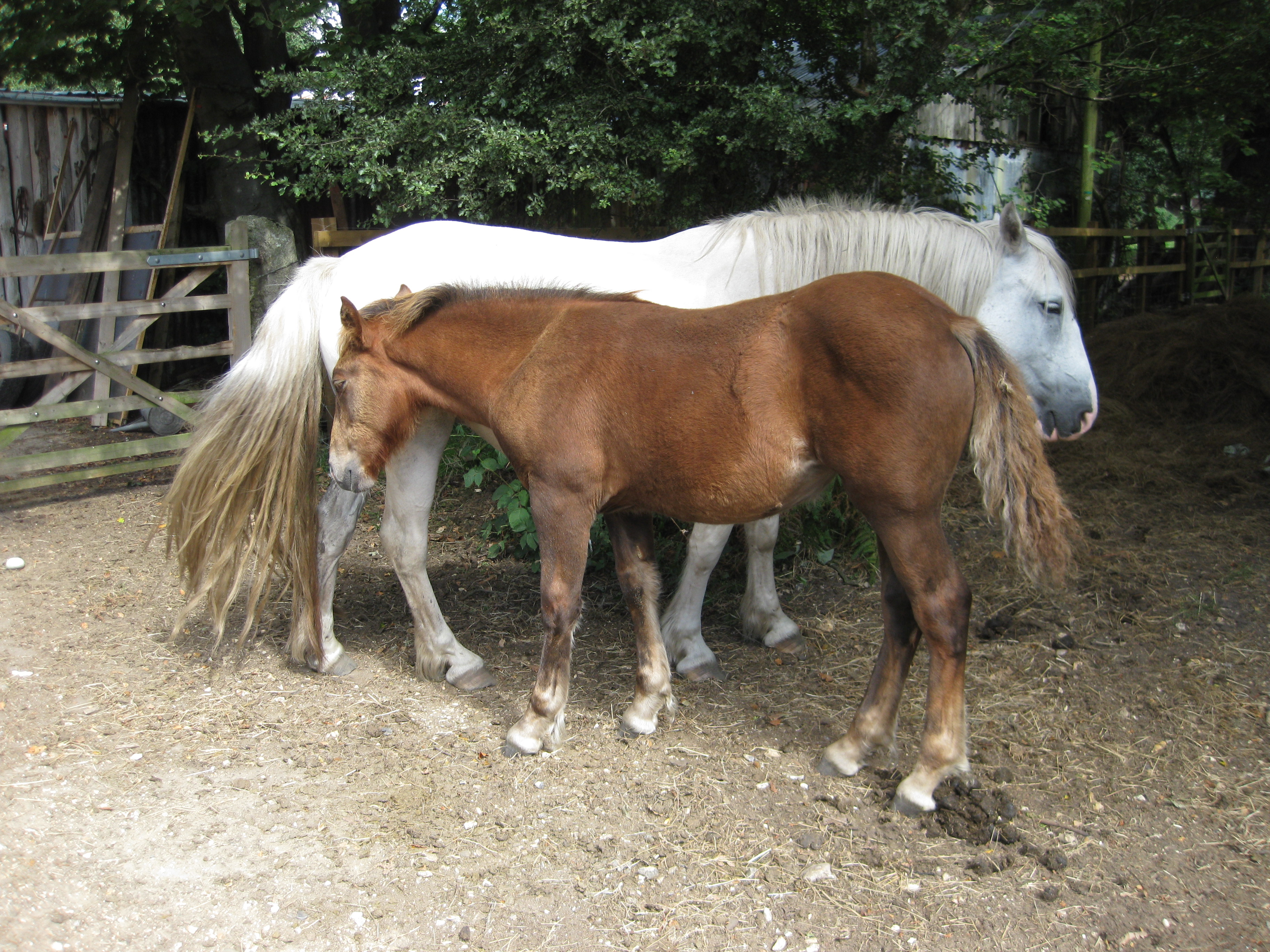
The New Forest ponies should not be stroked or petted, and on no account should they be fed by visitors.

The New Forest ponies are described as ‘wild’ but are in fact ‘semi-feral’.

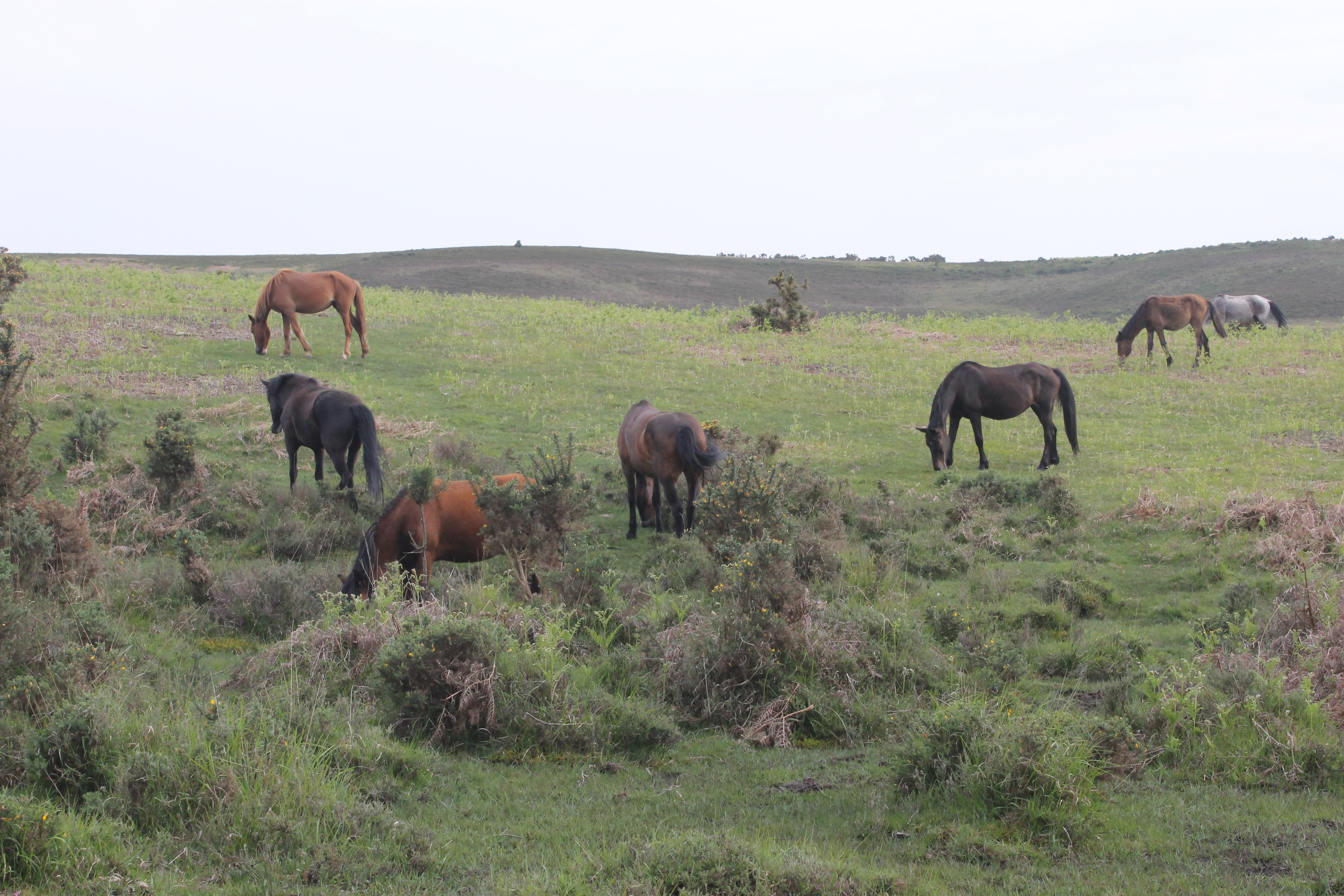
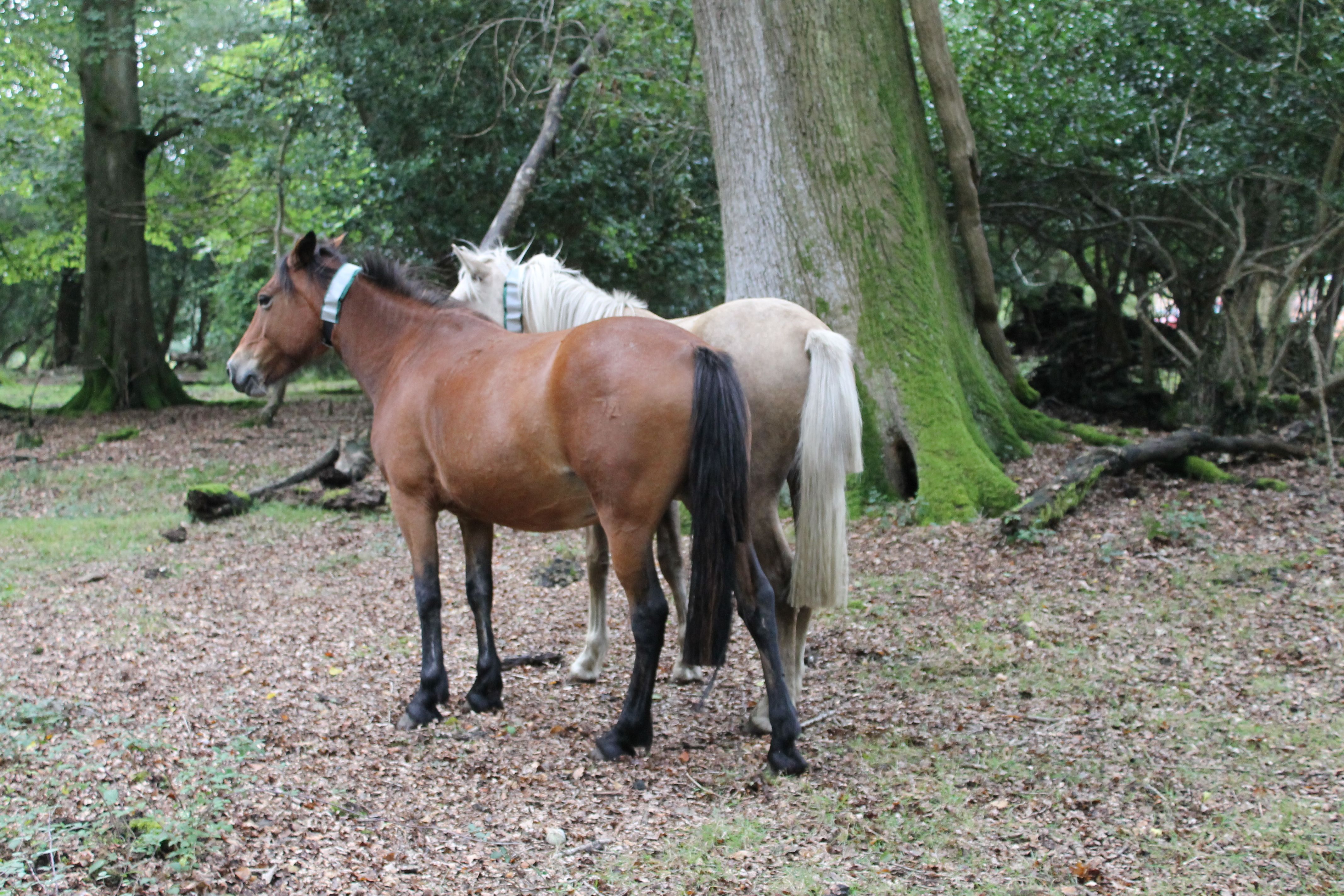
The free-roaming ponies of the New Forest are often described as ‘wild’ but it would be more accurate to define them as ‘semi-feral’. The only truly wild horse still in existence is the Przewalski’s horse (Equus caballus przewalskii), a breed native to Mongolia, which has never in its entire history ever been domesticated. All other breeds, including the Mustangs of America, the Brumbies of Australia and the New Forest pony, are descended from domesticated stock. However, Mustangs and Brumbies, unlike the New Forest pony, do not have owners. Every pony that roams freely on the Forest belongs to a commoner, who is responsible for its health and welfare. Though they are left to run in a natural state and are able exhibit the behaviour of their wild counterparts, the New Forest pony will be periodically rounded-up for routine management purposes, such as being given wormers, or having florescent collars fitted. They live in an environment in which humans dominate and so will inevitably have some experience of or interaction with people.

Horses are prey animals with highly developed senses and their instinctive self-defence mechanism is to run away from a perceived threat, yet they are equally very trusting of us. Even though human beings are top predators we have managed to form an alliance with the horse. There is something in its innate character that makes us want to befriend it, rather than eat it. For thousands of years our two species have lived in mutually beneficial cooperation. The domesticated horse has enjoyed our protection from other predators, received food and veterinary care whilst we have employed it in sport, agriculture, transport and war. Horses have changed the course of human history and we have changed horses. Through the process of selective-breeding, for example, the New Forest pony can boast qualities that include intelligence, stamina and a biddable temperament. They are easy to train and learn very quickly.

Not everything they learn is good for them however. Visitors to the New Forest love to see the ponies roaming freely but often fall into the temptation to stroke and pet them or, worse still, feed them. Some of the ponies are quick to exploit any opportunity for an effortless meal and soon learn to associate visitors with easy-pickings. This, of course, leads them to congregate in the car parks and roadsides, where they can beg or scrounge for food. It is a sad fact but people who feed the New Forest ponies directly contribute to the numbers of them killed or injured each year in road traffic incidents. However, some of the ‘wild’ ponies have actually been known to use their cunning to raid people’s houses, sheds or garages. In one particular story a Forest resident came home to find a chestnut stallion in their kitchen standing over the sink licking drops of water from the taps. The homeowner shooed the pony out and it made its way down the steps and out of the house. However, it was soon discovered that two loaves of bread and half a dozen doughnuts that had been on the kitchen table were missing! This probably accounted for the pony’s thirst.

Ponies fed by visitors learn to beg and scrounge for food.

‘Wild’ ponies fed by visitors lose their fear of humans and learn to beg and scrounge for food.

Posted in New Forest, New Forest pony | Tagged , , , , , , , , , , , , , , | Comments Off on New Forest pony: wild or tame but always clever.

Commoning: cooperation and coordination

When I go onto the Forest check on my mares I check on the other ponies too.

When I go onto the Forest to check on my mares I also check on the other ponies too.

The practice of commoning on the New Forest is generally a very sociable enterprise. The support and cooperation of other commoners is essential for maintaining the welfare of the free-roaming stock. When I go out on the Forest I always check on other commoner’s animals as well as my own and I know that they will be doing the same for me. My mares are running in a herd with ponies that belong to several other owners. The ponies will stay in the same area or ‘haunt’ so I know the territory that they maintain, however I don’t get to see my mares every day. Often one of the other commoners will tell me that my girls have been seen in a particular place at a particular time, so I know that others are keeping an eye on them too. This informal level of support is very reassuring and is naturally accepted as a reciprocal arrangement.

At other times, such as during the autumn drifts, the level of cooperation is much more coordinated and purposeful. The Agisters organise the round-ups and commoners, either mounted or on foot, help to process the herds of ponies that are brought in. I haven’t yet worked my way up to actually riding on a drift, so I am grateful to the riders who recently rounded-up my two mares and the other commoners on foot who herded them into the pound. When they were driven into the chute for processing I was able to get them fitted with florescent collars and also administer a good dose of wormer, to rid them of internal parasites, once again with the help of the Agister and other commoners.

Recently though I actually had a summons for help! One of my commoner friends had a cow in distress and needed to bring her in for the vet. After a brief phone call asking me to come quickly I leapt into action and fifteen minutes later was in a chain of people helping to herd a sick cow off the Forest and onto it’s owners holding. The cow was suffering from mastitis; a potentially fatal infection of the udder, which thankfully had been caught in time. Mastitis can be caused by an invasion of bacteria or an injury to the udder – even an adder bite, which would not be unusual for the New Forest. The vet prescribed a course of antibiotics and predicted that the cow, whose name was Cucumber, would make a full recovery. In typical commoner fashion mugs filled with tea were offered round and, with the emergency over, a social networking opportunity was quickly taken advantage of.

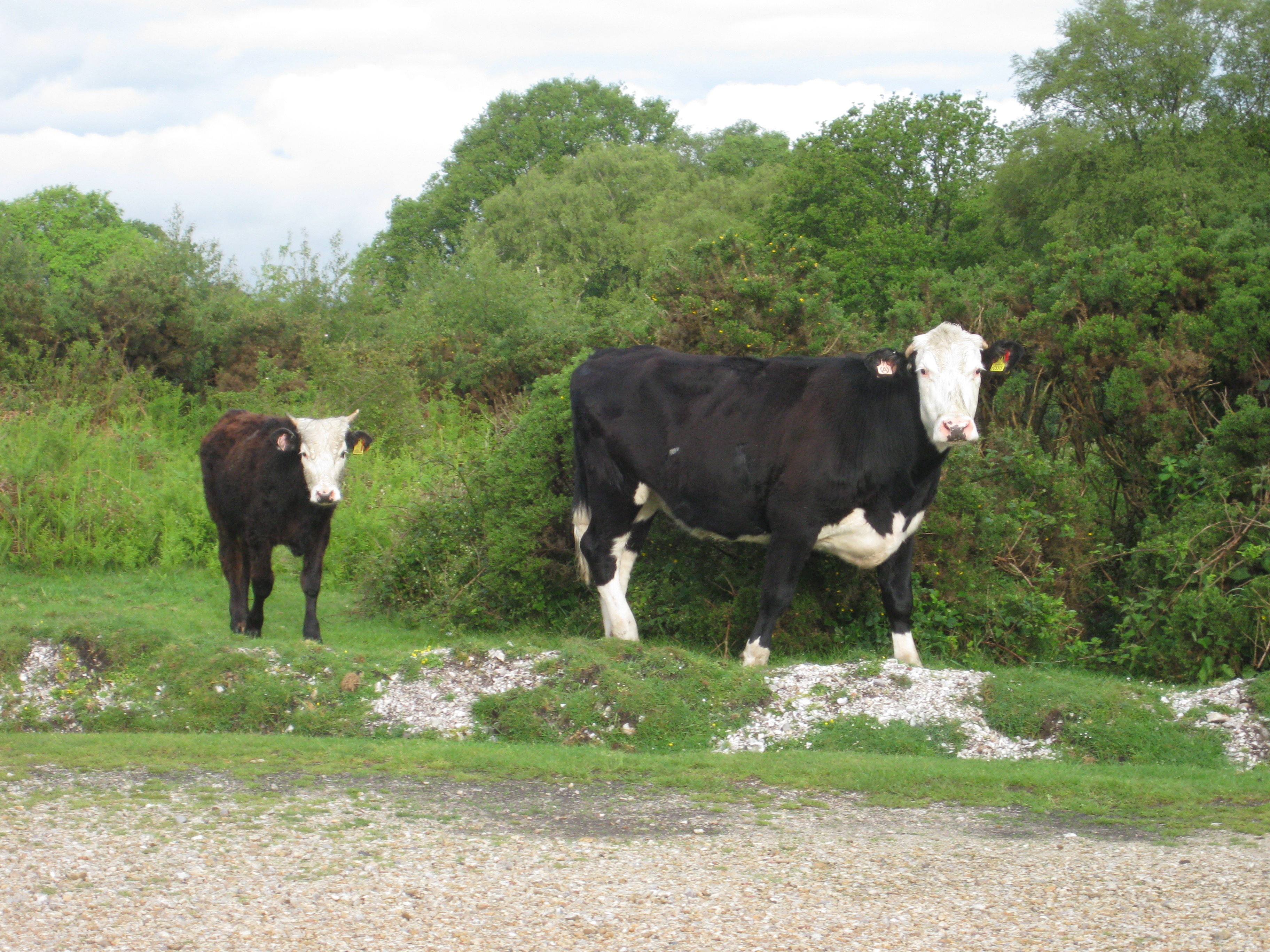
Cows are also commonable animals and roam freely on the New Forest.

Cows are also commonable animals and roam freely on the New Forest.

Posted in New Forest, New Forest Commoner, New Forest pony, New Forest Pony Drift | Tagged , , , , , , , , , , | Comments Off on Commoning: cooperation and coordination

Unusual tails from the New Forest

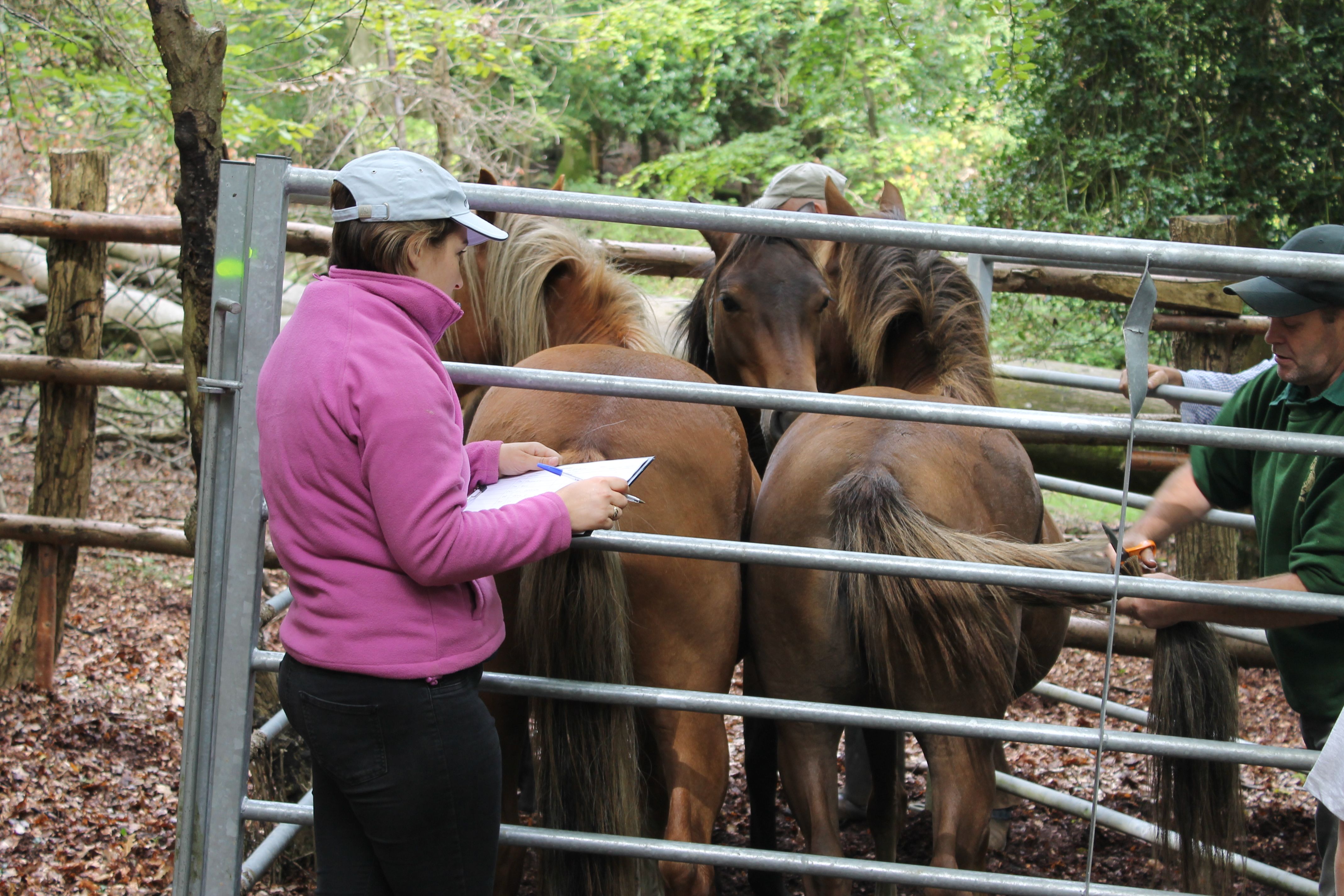
The Agister cuts the pony's tail to show the owner has paid their marking fee.

The Agister cuts the pony’s tail, and it is recorded that the owner has paid their marking fee.

Attending the annual pony-round ups, known as drifts, is an important part of a New Forest commoner’s calendar. The drifts were ordered to take place each year fifteen days after Michaelmas, by Henry VIII in 1540, and continue more or less in the same format to this day. They occur in every part of the Forest, generally from late summer until late autumn and are fast paced events conducted by the Agisters and commoners mounted on horseback. The ‘wild’ ponies are herded together and gallop at full pelt, often in large numbers, towards the pound where they will be channelled by commoners on foot. The pound is a permanent timber structure, which resembles the type of stock pen or corral one might see in a cowboy film, and are situated all over the New Forest. Once the ponies are caught in the pound they are selected for processing and herded in small groups, one-by-one, towards the Agister.

Marking the New Forest ponies
The Agister works with the selected ponies in a chute or small pen and has the job of either worming, fitting florescent collars, or removing them according to the requirements of the commoner owning the pony. Ponies that are sold unhandled, straight from the Forest, generally do not fetch much money so many commoners prefer to take their ponies’ home for handling and schooling prior to sale. Each pony that is to be released back on to the Forest is given a quick health check and set free. However, all ponies that are let loose again will have their tails cut by the Agister, using scissors, to show that the owner has paid their annual fees. The marking or grazing fee (currently £24.00/October 2014) is payable for every single pony turned out on the Open Forest. Each Agister has a distinctive way of cutting the tail, which indicates the area or ‘beat’ of the Forest he is responsible for, which could roughly be interpreted as north, south, east and west. The tails are cut either in three jagged steps to the left or the right, in cuts on both sides half way up the tail, or with one incision half way up the tail to the right.

Thereby hangs a tail!
Although they are often called ‘wild’, the ponies would be better described as semi-feral. The Agister works quickly to minimise the stress on the ponies, some of which will have hardly been handled before. Once the ponies have been processed they are released from the pen. Oddly many do not gallop away but instead, particularly the older mares, seem to know the pack-drill and understanding that their manhanding is over simply saunter off. It is curious to watch them wandering back to the Forest in small groups all sporting very unusual-looking tails. It does make one wonder what kind of a barber the Agisters would make! Journeying around the New Forest is always a pleasure, no matter what time of year, but during the drift season it is always interesting to spot the ponies that have been caught in the round ups and those canny animals that have evaded capture. How can one tell? Why, by their tails of course!

Ponies tails are cut or 'marked' to show their owner has paid their marking fees.

Ponies’ tails are cut or ‘marked’ to show their owner has paid their marking fees.

Posted in New Forest, New Forest Commoner, New Forest pony, New Forest Pony Drift | Tagged , , , , , , , , , | Comments Off on Unusual tails from the New Forest

Early morning deer rescue!

Roe deer are one of the five species of deer that roam the New Forest.

Roe deer are one of the five species of deer that roam the New Forest.

It’s a good job I’m an early riser. Before the clock had struck 6am this morning (September 2014) I was doing some stable duties in the yard and heard a commotion in the paddock. My mare was snorting, making that high-pitched whistling exhalation that horses do when they are alarmed. It’s not like her, so I went to check what was wrong. Through the inky blackness of the early morning I could see a car’s hazard lights blinking and hear something or someone rustling through the withy-patch that runs parrallel between the paddock and the road. I called out and a man’s voice shouted back. He’d seen a deer in great distress cross the road in front of his car. It was completely entangled in garden mesh and hardly able to walk. I hopped over the fence to try and help him locate the deer. The man was in a smart suit and certainly not dressed for rummaging in hedgerows for injured wildlife. I convinced him there was nothing more he could do and suggested that he carry on with his journey. I went back to the house phoned my neighbours, also early risers and luckily wildlife savvy, for back-up. I grabbed some equipment and went back to the roadside.

Covered in mesh and hooked up on brambles
In my experience of wildlife rescues this was probably one of the easiest. Through the light of my torch I could see the silhouette of a roe buck against the dense foliage. The poor creature was so tangled in several metres of garden mesh that he could not have run even if he had wanted to. The mesh had now become hooked up on brambles and undergrowth completely trapping him. Lucky for him that the car driver had seen him otherwise his fate would probably have been to slowly starve to death where he stood. I waited for my neighbours to arrive before approaching him. I’d brought one of the horse’s blankets with me and we managed to get it over his head to try and calm him down and also cover his antlers to protect us from them. When we pinned him down he kicked like absolute fury but then gave up. We knew we hadn’t much time. I’d brought some scissors and we were able to cut the mesh from off his antlers, head and front legs. We gave him a quick check to ensure his legs were sound and that he was not bleeding from anywhere. Once we were satisfied that he was free from the mesh and capable of walking we let him go – on the count of three to make sure everyone released at the same time. He sat up for a few moments and then ran to the fence, hopped over it into my field and was gone. We were pleased that we were able to give the little buck a fighting chance of survival. Hopefully he will recover from the shock of his ordeal.

Deer on the New Forest
Living on the New Forest means that deer are a regular sight. The Forest has five species of deer – the most commonly seen are red, fallow and roe deer but it is also home to the elusive muntjak and sika. From early to mid-October the deer rutting season begins for the three largest species – red, fallow and sikka.  The mating season for roe is around July/August. Muntjac mate all year round. Visitors to the Forest may get to see or hear the furious activites of rutting deer in the autumn. Male deer use their antlers in trials of strength and combat during the rut (a Middle English word meaning ‘to roar’). During this time the stags become very territorial and aggressive and can be dangerous. So it’s always a good idea to keep dogs on a lead and avoid getting too close to deer particularly during rutting season. If however, you see an injured deer then it’s best to call the Forestry Commisson (02380 283141) as they have jurisdiction over the Forest wildlife and will deal with it. (The Verderers of the New Forest only deal with the commonable animals – ponies, cattle, donkeys and pigs.)

The New Forest is home to five species of deer.

The New Forest is home to five species of deer – roe, red, fallow, sika and muntjac.


Posted in New Forest, New Forest flora & fauna | Tagged , , , , , , , , | Comments Off on Early morning deer rescue!

New Forest Pannage Season: ‘here piggy, piggy!’

Pannage season starts in September and usually lasts 60 days.

Pannage season starts in September and usually lasts 60 days.

The pannage season has officially started. Residents and visitors may be lucky enough to see the traditional sight of free-roaming pigs foraging on the forest floor from now until November. The term ‘pannage’ is of late Middle English origin and is derived from the Old French word ‘pasnage’, which was brought to England by the conquering Normans, and basically means ‘pasturing’ or ‘to feed’. When the New Forest was first established as a royal hunting venue priority was given to protecting the ‘venison and vert’, in other words the deer and the foliage and vegetation they depended upon for food and shelter. During the autumn many trees, including oak, horse chestnut, sweet chestnut and beech, will cast their seeds in the form of acorns, conkers, chestnuts, and beech mast. However, green acorns are poisonous to deer and so commoners were traditionally given a period of sixty days starting in September when they could turn out their pigs to eat the acorns. The pigs, which do not seem to be affected by the toxins, would scoff the acorns thus reducing the risk to the deer and, in the process, get fattened up for the winter.

But deer are not the only animals to suffer the effects of acorn poisoning; ponies and cattle are also unable to tolerate the high levels of tannins in the seeds, often with fatal consequences. Releasing pigs to feast on fallen acorns also protects the commonable animals too. Last year the pannage season was extended twice to enable the free-roaming pigs to hoover up on the Forest. A combination of a ‘mast year’, which is used to describe a bumper crop during the seed harvest, and strong winds, meant that there were more fallen acorns than the pigs could eat in the two month allowance period. The Forestry Commission, in consultation with the Verderers of the New Forest, set the extended dates. Those commoners with ‘Common of Mast’, who are permitted to turn out their domestic pigs during pannage season, were therefore encouraged to keep their pigs out on the Forest for longer.

Generally speaking the pigs are a welcome addition to the stock of free-roaming animals on the New Forest. However, householders in the areas where the pigs are loosed have the responsibility of making sure that their gates, fences and hedges are pig-proof! Barriers that prevent wandering ponies and cattle from invading lawns and gardens will not necessarily keep out a hungry hog. A garden that has been raided by a herd of swine will look a very sorry sight indeed! It is also a general rule (which actually applies to all Forest animals) that no matter how tame they seem or how cute they look do not try to pet or feed them, especially if they have young! There are many stories of people who have fallen foul of a porcine temper tantrum or been chased by an angry pig when the titbits they’ve been fed run out or when someone has tried to stroke their pigglets!

Acorns, the seed of the oak tree, are poisonous to deer, cattle and ponies.

Acorns, the seed of the oak tree, are poisonous to deer, cattle and ponies.

Posted in New Forest, New Forest Commoner, Pannage season | Tagged , , , , , , , , , , , | Leave a comment