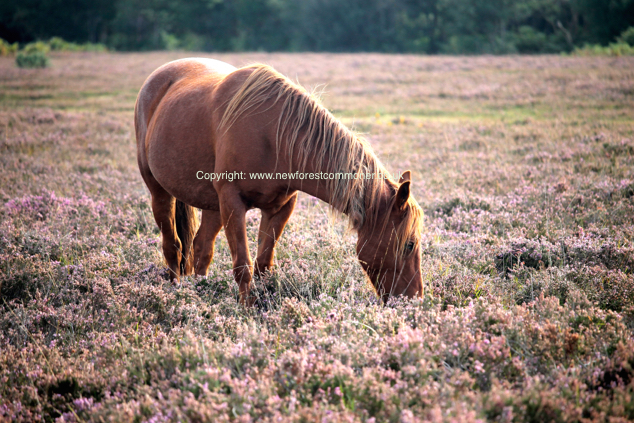
New Forest: the truth about the ‘wild’ ponies.

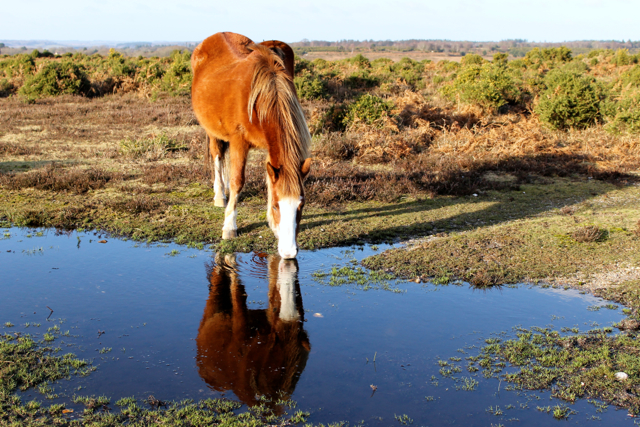
Although New Forest ponies are referred to as ‘wild’ the herds are actually a mixure of semi-feral and domesticated animals that are owned by local people with Rights of Common.

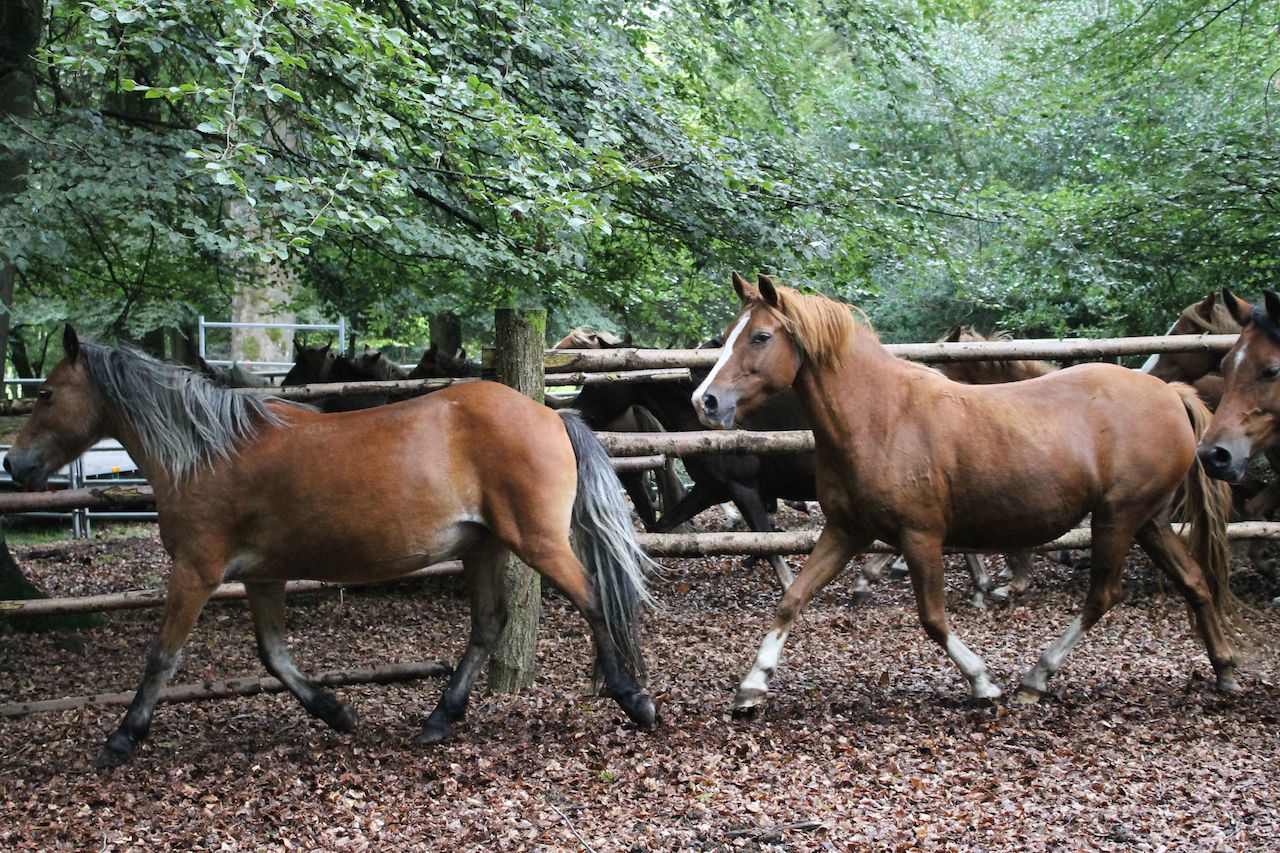
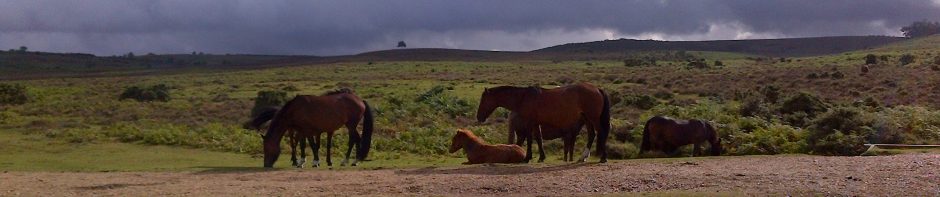
Without doubt one of the best things about visiting the New Forest is seeing the ponies that inhabit the heathland, woods and lawns wandering freely about. Although the New Forest ponies are often referred to as ‘wild’ this is not, strictly speaking, a true description. Wild horses are ownerless and untouched by human hands, whereas every free-roaming pony on the New Forest is owned by a local person with Common Rights, and will have some degree of contact with, or frequent exposure to, people. The New Forest pony herds, rather than being wild, are actually a mixture of semi-feral animals that are wary of the presence of humans: and domesticated stock that do not fear them.

Convenience of domesticated livestock
One of my commoning friends spent much of their childhood in the company of their family’s free-roaming ponies. They would take a bridle with them onto the Forest catch up one of the ponies, which they knew to be domesticated and safe to ride, and climb up onto its back. After galloping around, jumping the heather and generally having a good time, they would ride home and release the pony to make its own way back to its territory and herd-mates. In times past, before the widespread use of the motorcar, it was not unknown for commoners to ‘borrow’ one another’s animals. If they needed to hitch up a cart for a trip into town and a neighbour’s pony was conveniently close-by they would use that rather than going in search of their own. Such was the level of co-operation and reciprocity between the commoners. It also helped that they were able to recognise each other’s stock and know which ponies were workable and which ponies were not. This was usually as a result of horse-trading or swapsies between each other.

All ‘wild’ New Forest ponies are owned
The often-repeated assumption that New Forest ponies are wild and ownerless has led people to commit ‘horse-rustling’ and actually steal one. Many years ago a little girl was found leading a very tame pony from off the Forest, along one of the main streets in town, towards a housing estate. A commoner, who happened to be passing, recognised the pony and asked the little girl where she was taking it. “Home”, of course was her reply. Like all little girls she had wanted a pony of her own but hadn’t realised that she had chosen one that was actually the property of someone else. Of course, the pony in question seemed very willing to follow her. Such is the biddable and friendly nature of the New Forest pony once it is properly trained! The pony was, of course, promptly returned to its owner and the Open Forest where it belonged. However, other incidents of ‘horse theft’ are much more disconcerting. Last April (2014) two men were seen bundling a miniature Shetland pony mare into a dark coloured van, parked on the verge of the Lymington to Beaulieu Road, (B3054) between Bull Hill and Norley Wood Cross Roads. The pony in question, like all the free-roaming New Forest ponies was micro chipped and branded with its commoning owner’s identification number. It is believed that this, and the publicity surrounding the theft, may have persuaded the thieves to return the pony because several weeks later she reappeared close to Hatchet Pond, not far from where she was taken. Police are still appealing for information about the identify of the thieves.
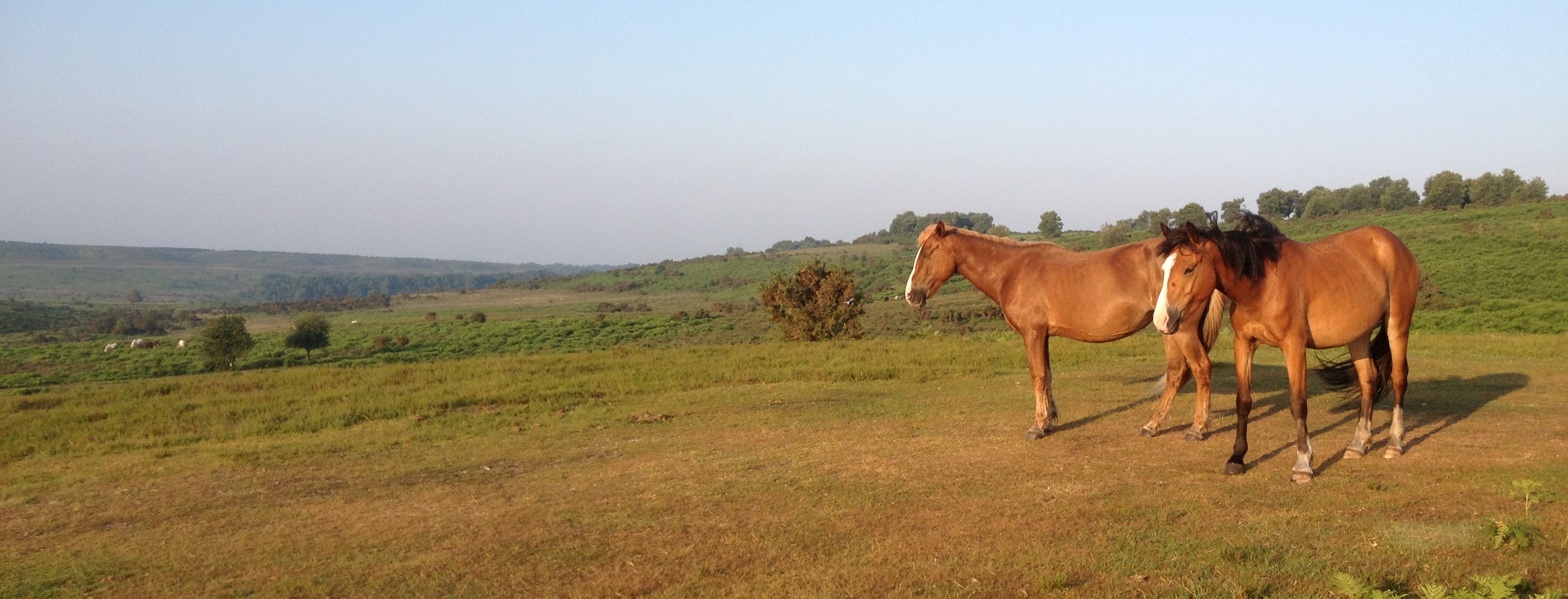
Every free-roaming pony on the New Forest is owned by a local person with Common Rights.
Posted in New Forest, New Forest Commoner, New Forest pony | Tagged , , , , , , , , , , , | Comments Off on New Forest: the truth about the ‘wild’ ponies.

New Forest: tales of the unexpected

The New Forest boast many ghost stories, tales of spectres and supernatual creatures.

The New Forest boasts many tales of spectres and supernatural creatures.

As most people know,  All Hallows’ Eve or Halloween celebrations have their origins in a festival for the dead that involved rituals to remember and pay respects to dearly departed loved ones, saints or martyrs. These rituals included observances such as attending church services, placing lighted candles on graves and abstaining from eating meat. The history of this festival is fascinating and the cause of much argument between various organised religions, including Christians and Pagans, who each claim it as their own. However, contemporary celebrations are now greatly influenced by American culture and many people dress up in costumes, watch scary movies, go ‘trick or treating’, make lanterns out of pumpkins and tell ghost stories. Today’s Halloween celebrations are rather more secular than religious, and frivolous rather than sombre.

Ghost stories told by smugglers
However, in times past it was genuinely believed that the dead could rise from their graves to torment the living. Many spine chilling ghost stories are told in and around the New Forest concerning eerie mists on the heathland, black dogs and spectral coaches pulled by headless horses. But many of these tales have their origins in less than supernatural activities. Smugglers often used the cover of ghostly phenomena to carry out their nefarious ‘free trading’ activities. It would have suited them to allow people to believe that the sound of carriage wheels or hoof beats in the dead of night were caused by unearthly creatures seeking souls to carry away to the underworld. Indeed, strange lights and weird noises floating across the heathland, bogs and woods would have carried a similar occult explanation and would have been a terrifying warning to keep people away. One of the most popular places for hiding smuggled contraband, for example, was the churchyard. To avoid the risk of prying eyes the smugglers would have encouraged hair-raising tales of the predatory undead, vampires and demons stalking among the graves for human prey.

Tall tales of the dead
Many New Forest inns and public houses were meeting places where smugglers would plan their free trading activities. During these meetings ghost stories would have been invented, passed on or embellished by the free traders and their accomplices. Local people who may have witnessed some of the illegal night-time activity would also have created tales of supernatural phenomena, or borrowed those in circulation, in order to be able to speak, without recriminations, of what they had seen. Thus in the New Forest many spectral encounters, if investigated, could be attributed to this factor. The ghost of a black horse that is said to haunt Plain Heath, near Holmesley Enclosure; the phosphorescent mists reported around Deadman’s Bog; and the shades of monks said to walk about the ruins of Beaulieu Abbey, could easily be explained as ‘keep out’ notices from smugglers. But other Forest residents were also keen to take advantage of the dearly departed and make some money in the bargain. One report, from 1936, relates the story of an old Forester who would take tourists to see the ‘Highwayman’s Grave’, where a desperate brigand and his horse were alleged to be buried. The canny old man had developed a small income from taking people to what was actually the resting place of a soldier’s favourite hunter. Apparently he admitted to profiting from people’s willingness to believe in tall tales by saying: “Many and many a sovereign and ten shillings ain’t I ‘ad for showing people!”

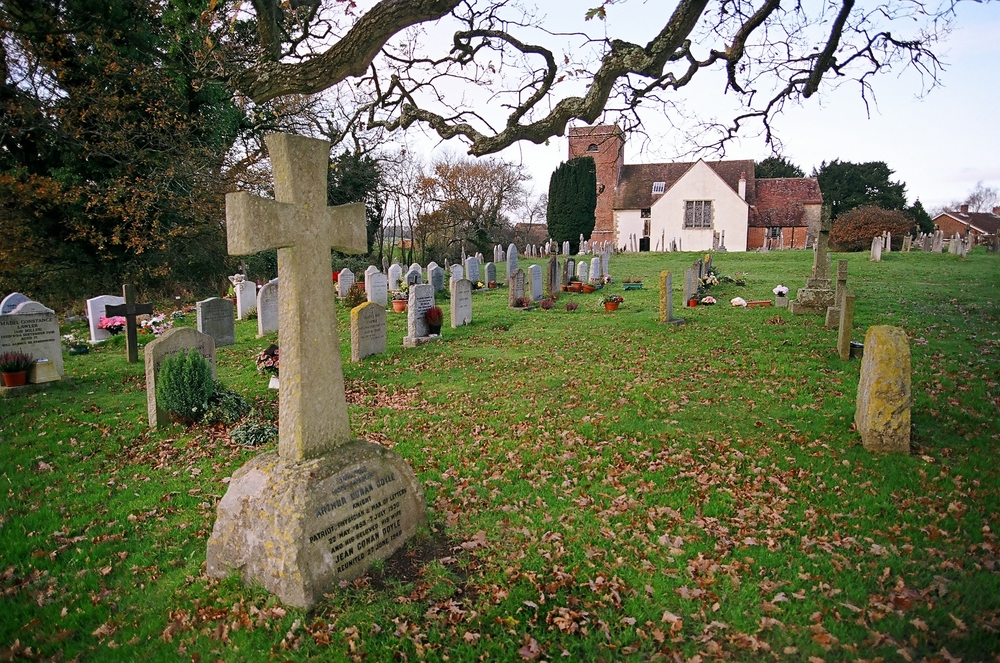
Churchyards were used by smugglers to hide contraband because people were frightened of these places at night.

Churchyards were used by smugglers to hide contraband because people were frightened of these places at night.

Posted in New Forest | Tagged , , , , , , , , , , , , , , , | Comments Off on New Forest: tales of the unexpected

New Forest: racing the cows

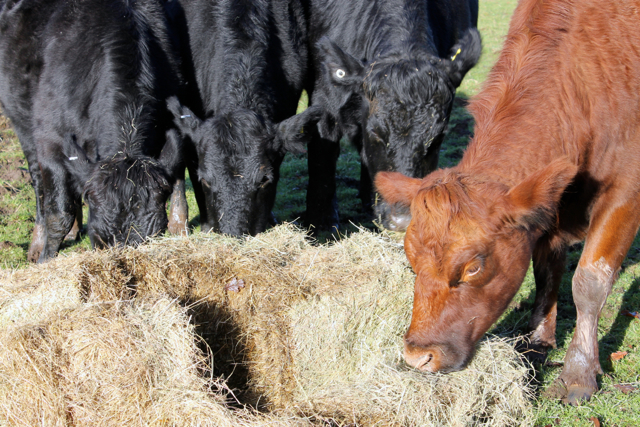
Cattle on the New Forest are accustomed to vehicles, especially when they're used to dispense hay.

Cattle on the New Forest are accustomed to motor vehicles, especially when they’re used to dispense hay.

Being a commoner is never dull. My commoning friends not only share their adventures with me but also, on occasion, provide me with opportunities to have a few of my own! I was visiting a friend and fellow commoner recently when we decided to go out on the Open Forest to check on some ponies. The weather was fine and, although it had been raining heavily earlier that day, visibility was generally good. We managed to find most of the animals we had set out to look for and began to make our way back to the comfort of the farmhouse kitchen and a well-deserved mug of tea. However, first we needed to make a small detour. My friend wanted to check some cows in one of their fields close to the holding. They hadn’t been seen that day and there was a worry that they may have got out. The field in question was large and also situated on a very steep slope. The cows were nowhere to been seen and we thought that, chances were, they’d be grazing at the very top of the field, out of sight over the rise. We agreed that it would be too much effort to walk up the hill to find them and so decided to drive, to save our legs.

Skillful 4×4 driving
Getting up to the top of the hill on wet grass and muddy soil required a bit of welly on the accelerator pedal but with some skillful driving and the four-wheel drive engaged we managed to get to the top. The cows were all there, beyond the crest of the hill, and very fine specimens of bovine beauty they were too. However, they soon became rather excited on seeing us and began to surround the car. My friend explained that the cows were accustomed to being fed hay from the back of the vehicle and obviously thought that’s what we’d come to do. This posed a bit of a problem getting out of the field because the cows were expecting fodder and would consequently follow the vehicle. We needed to get the car out of the field but without letting the cows out. So we hatched a cunning plan. We would drive down the hill as fast as we could, stop at the bottom, I would jump out and open the gate, the car would drive through and I would shut the gate before the cows got to the bottom of the hill. On the count of three off we went.

Racehorses with horns!
Now, no one told me that cows can run, and I mean ‘run’. They moved as quickly as racehorses with horns! The car sped off down the hill with a herd of twenty beasts galloping in hot pursuit. The bottom of the hill was getting ever closer and I was poised in the passenger seat ready to jump out to open and close the gate. I felt the brakes being firmly applied and knew that I had seconds to act but the car just kept going. With brakes fully applied we slid in thick mud through the gate, pinging it wide open, and out the other side. The cows were still coming. I jumped out and closed the gate in time. I can’t remember how long we laughed about it. I think we were still laughing when we had to lift the gate off its hinges to put it back on the correct side of the fence posts. Even though it had a slight bow in the middle it closed properly. The cows looked a bit put out though. We nevertheless dried our eyes and then went off to wet our whistles with that promised mug of tea.

New Forest Gate-Oct2015

Posted in New Forest, New Forest cattle, New Forest Commoner | Tagged , , , , , | Comments Off on New Forest: racing the cows

New Forest: the model township of 1709

In 1709 proposals were made to clear the New Forest and build a township for refugees.

In 1709 proposals were made to clear the New Forest and build a township for refugees.

In the summer of 1709 boats packed with refugees began to arrive in England. These ‘Poor Palatines’, as they became known, were the first of over 10,000 Germans to arrive between May and November of that year. Displaced by war, the destruction of their homes, and suffering frequent incursions and pillaging by the French army in their native region of the Rhenish Palatinate, many of them had been forced to flee for their lives. Their situation was made worse by famine, caused by a series of failed harvests and severe winter weather, which meant that most of the refugees arrived in England in a state of near starvation, with the majority in very poor health.

Blessing in disguise
Many English people saw this influx of immigrants as a blessing in disguise. There had been widespread concerns that the population of England had still not sufficiently recovered from the devastating losses caused by the recurrences of bubonic ‘Black Death’ and Great Plague outbreaks, the last of which had occurred in 1665-1666 (although the threat of pneumonic plague continued well into the 1700’s). Prior to the refugee crisis of 1709, immigration had been proposed as a solution for increasing the population and an act of parliament had even been passed giving foreign protestants ‘the privilege of naturalisation for the fee of one shilling.’ It was generally believed that a larger population would expand the economy and wealth of England.

Townships in the New Forest
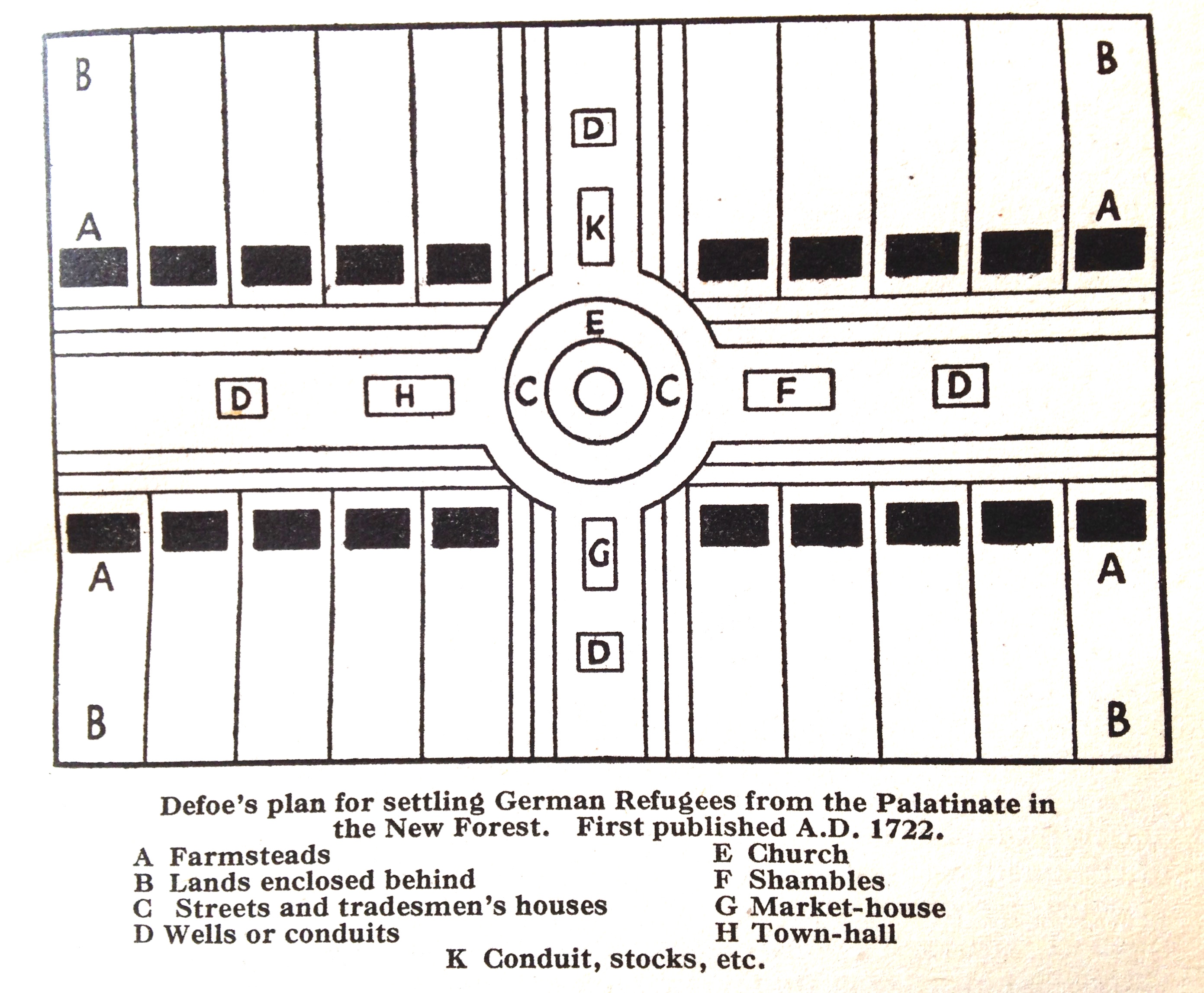
In consequence to the arrival of the Palatines Daniel Defoe author, economist and social commentator, suggested: “That the Palatine Strangers may be planted in small Townships, like little Colonies, in the several Forrests and Wastes of England, where the Lands being rich and good, will upon their Application to Husbandry, and Cultivation of the Ground, soon not subsist them, but encourage them….” * One of the areas earmarked for such cultivation was the New Forest. In his scheme to turn the New Forest into a model township 4,000 acres of land were to be divided among the ‘best’ twenty families, who were to be freed of rent and taxes for twenty years. The families were also to be advanced £200 each in ready money to set them up with the purchase of tools, animals, seed, and other equipment. (The area selected for this model settlement is believed to have been near Lyndhurst.) Not only did Defoe want to ‘cultivate all of the nation’s land to the last square foot’ but he thought that his idea ‘offered an opportunity to conqueror some of the wastes [commons] that blighted the face of England’.

Disperal of the ‘Poor Palatines’
So serious was this idea considered that the Board of Trade sought opinion from the Attorney and Solicitor General about how to implement the plan. To set things right with the commoner’s of the New Forest it was suggested that they could be bought off by the establishment of a Court of Claims, which would compensate their losses, or be given allotments in the new settlements. In the end the scheme never amounted to anything. The Government simply couldn’t afford it. Unfortunate as it was for the refugees, the New Forest was thankfully saved. The initial outpouring of national sympathy and charitable donations that provided relief to the many thousands of refugees soon dwindled. Political buck-passing quickly broke out, as did ‘unchristian’ incidents of xenophobia towards the refugees. Desperate steps were taken to disperse the ‘Poor Palatines’ either by sending thousands of them to the colonies, including Australia, Jamaica and America, by imposing them on the country’s parishes or forcing them home. With the refugees all settled elsewhere the Foreign and Protestants Naturalization Act 1708 was later repealed.

The plans to house refugees in 1709 would have devastated the New Forest.

The plans to house refugees in 1709 would have devastated the New Forest.

Defoe’s plan as illustrated in ‘The Commoners’ New Forest’, F.E.Kenchington, 1944.

*A similar, though less ambitious, plan to settle the Palatines in the royal forests and wastes was suggested to the earl of Sunderland, by the council of trade and plantations, Whitehall, 1 June I709.

Posted in New Forest | Tagged , , , , , , , , , , , , , , , , , , , , , , , | Comments Off on New Forest: the model township of 1709

The blind man who saved the New Forest.

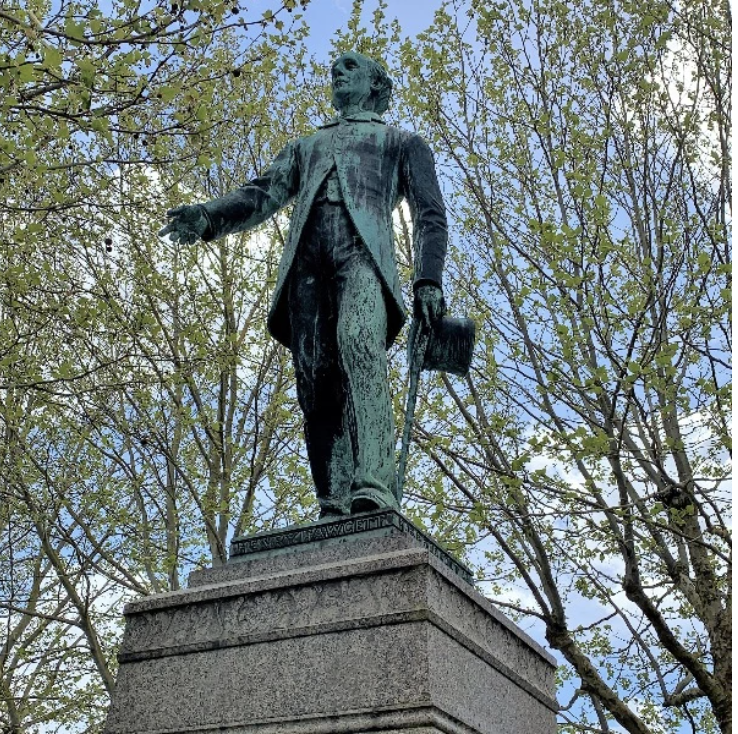
Henry Fawcett (26 August 1833 – 6 November 1884)

In the market square of Salisbury stands the statue of Henry Fawcett. Ask most people passing by who he was or what he did to be memorialised in this way and they probably wouldn’t be able to tell you. But you might be interested to know: Henry Fawcett is a local-boy-made-good and one of England’s most influential, yet least known, social reformers. He campaigned on many issues, including free primary education for children and rights for women. It is because of Henry Fawcett, who became Postmaster General in 1880, that we have savings stamps, postal orders and a parcel post. Moreover, his development of the post office’s life insurance and annuities schemes has been argued by some to be the very beginning of the Welfare State. Born in Salisbury in 1833, he lost his sight after a shooting accident on Harnham Hill in 1858, when he was only 25. His loss of sight did not deter him from completing his education at Cambridge, becoming an economist, professor and then a Radical Liberal politician. However, according to some his greatest achievement was his campaign to prevent the New Forest from being destroyed in the mid-to-late 1800’s. One writer has even remarked that; “Probably no one did more than he did to prevent the disafforestation of Epping Forest and of the New Forest.”

The threat of ‘disafforestation’
From about the middle of the 19th century onwards serious attempts were made to commercialise the New Forest by enclosing the best parts for timber production and selling off the rest for development. However, to do this its legal status would first have had to be reduced to that of ordinary land, known as ‘disafforestation’. The commoners, with their ancient rights and privileges, were viewed as an impediment to this process and under the ‘New Forest Disafforestation Act 1871’ proposals were made to ‘vary or extinguish all rights, powers and privileges, which would interfere with any of its objects’. This of course would have meant an end to the Forest as you may know it today, with free-roaming ponies, cattle and donkeys; pigs at pannage; ecological biodiversity of international importance; and landscape beauty of unparalleled quality.

Henry Fawcett wins the day
Fierce opposition from protagonists, chief among them Henry Fawcett, caused the Act to be withdrawn. There was also an unprecedented nationwide public outcry from appalled citizens who wanted to preserve ‘the scenic qualities of the forest’. Fawcett was therefore able to propose in Parliament (1): “That, in the opinion of this House, pending legislation on the New Forest, no felling of ornamental timber and no fresh inclosures should be permitted in the New Forest; and that no timber whatever should be cut, except for the purposes of thinning the young plantations, executing necessary repairs in the Forest, and satisfying the fuel rights of the Commoners”. Henry Fawcett won the day. The ‘pending legislation’ to which Fawcett had referred eventually became the New Forest Act 1877. This Act is generally seen as the salvation of the New Forest, as it set a limit on land that could be enclosed at any one time for timber production; reconstituted the Verderer’s Court to be the guardians of the commoners, common rights, and the Forest landscape; and, set out the responsibilities of all Forest users, including the Office of the Woods, forerunner to the Forestry Commission (now Forestry England), and even the general public.

Commons Preservation Society
The success of the 1877 Act had been made possible by a growing sentiment for Britain’s natural heritage, the emerging politics of the new liberal movement and the activities of the Commons Preservation Society. Of course, by now, it will come as no surprise to you to learn that Henry Fawcett, with other luminaries such as John Stuart Mill, Octavia Hill and William Wordsworth, supported the foundation of the Commons Preservation Society in 1865, which was committed to ‘the protection of the commons and public open spaces’. The recreation areas and public parks found today in Britain’s towns and cities exist as a direct consequence of this Victorian organisation, now known as the Open Spaces Society. The legacy of Henry Fawcett has had a national impact, which continues to this day. Next time you are in Salisbury take time to visit Henry Fawcett’s statue and perhaps reflect upon his achievements. Indeed, when you next visit any public park or even the New Forest itself, spare a thought for this remarkable man who helped to preserve these precious spaces for future generations.

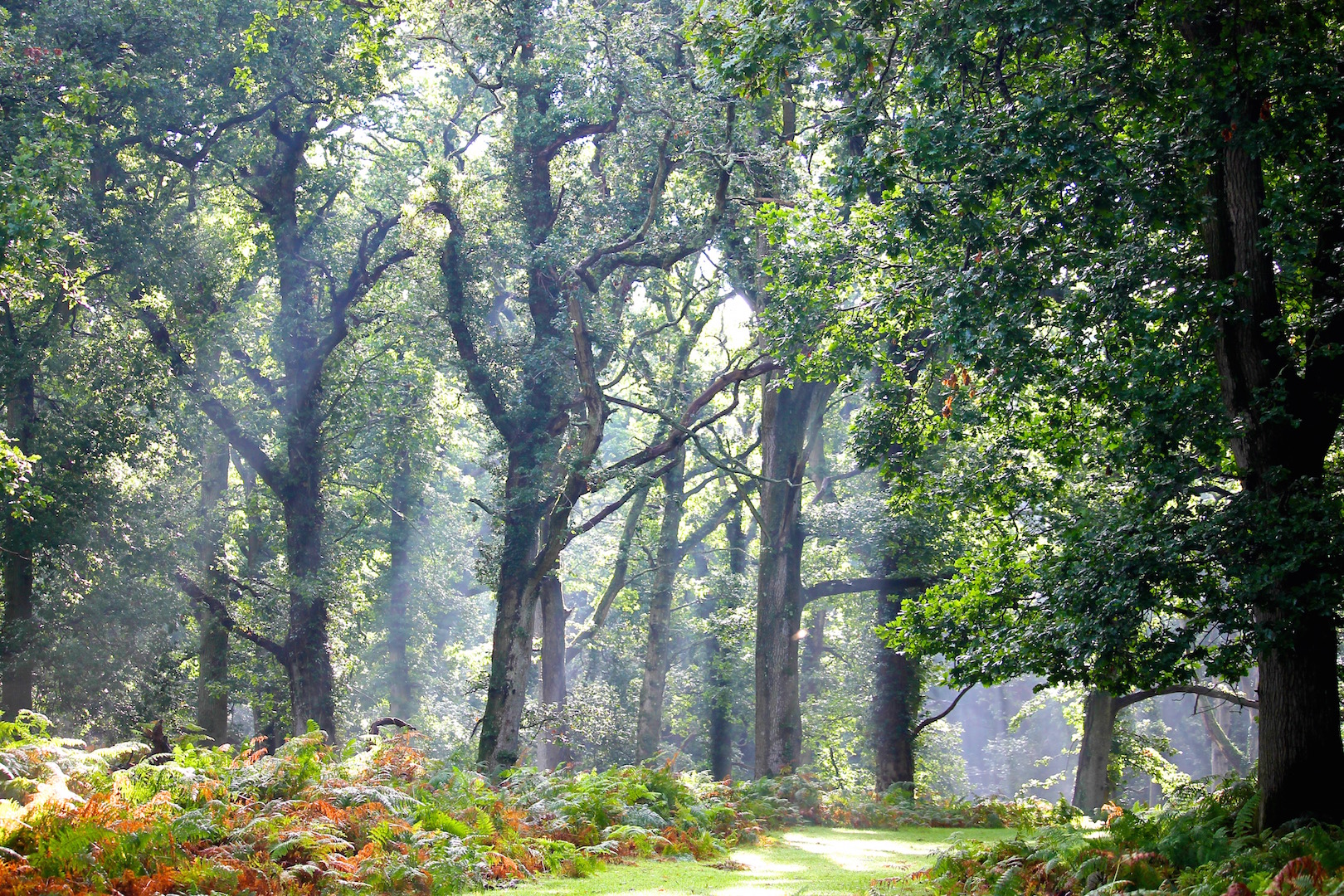
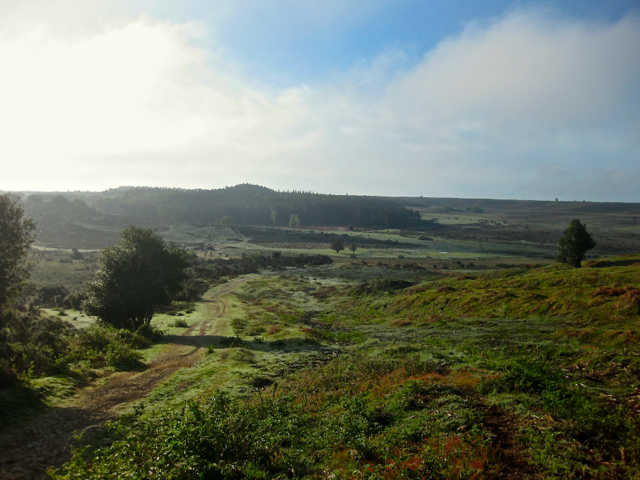
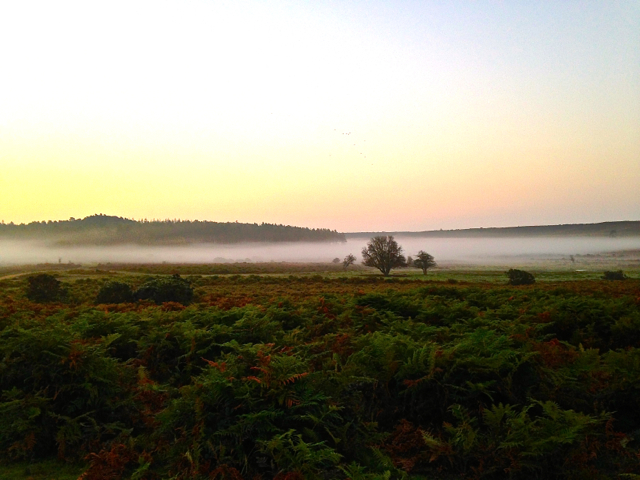
The New Forest is a landscape of irreplacable habitats that supports a diversity of wildlife.

The New Forest is a landscape of irreplaceable habitats that support a diversity of wildlife.

  1. Mr. Fawcett, NEW FOREST. —RESOLUTION Hansard HC Deb 20 June 1871 vol 207 cc328).

Photo of Henry Fawcett’s statute by the kind permission of https://www.slow-travel.uk/post/henry-fawcett-in-salisbury

Posted in New Forest | Tagged , , , , , , , , , , , , , , , , , , , , | Comments Off on The blind man who saved the New Forest.

New Forest: winter is coming

At this time of year the hedgerows are still abundant with fruit that can be gathered for making seasonal jellies, syrups and liqueurs.

At this time of year the hedgerows are abundant with fruit that can be gathered for making seasonal jellies, syrups and liqueurs.

The warm weather of late (September 2015) has been a welcome accompaniment as I perform the last of the autumn harvesting. Most of the vegetables from the raised beds have been picked and preserved ready for use over the winter. The sweet chestnut and cobnut trees are now beginning to produce their edible seeds and it’s a competition to see who will get to the nuts first – the squirrels or me! The hedgerows are still abundant with fruit, such as rosehips, sloes and elderberries, which can be gathered for making seasonal jellies, syrups and liqueurs. In accordance with time honoured tradition blackberries need to be harvested before Old Michaelmas (10th October), as this was the day that Lucifer was expelled from Heaven. His fall from the skies was ended when he landed in a blackberry bush. In his rage at falling into the thorny shrub he spat on the fruit and made it unfit for consumption. You will notice that blackberries after Old Michaelmas look very unappetising indeed!

Unwanted fruit is unwanted!
The fruit trees are continuing to drop large numbers of pears and apples, some of which I will collect and store for use over the next few months; the rest will be composted. It is not uncommon for people with a similar glut to dump quantities of apples, or other fruits, from their gardens onto the Forest. I have seen ponies squabbling beside a busy road over a pile of apples left on the verge by, I am sure, a well-intentioned person. Other commoners I have spoken to about this report similar incidents occurring in the car parks and roadsides across the Forest. Such ill-informed largesse only places the ponies in real danger from vehicular traffic. Bylaws prohibit the feeding of the Forest ponies, either by hand or by placing out foodstuffs to be eaten by the free-roaming animals, unless of course you are its commoning owner. Feeding the ‘wild’ ponies is not welcome nor is it necessary. Generations of ponies have survived and thrived on the natural resources provided by the Forest.

Last of the summer shine
As if to prove my point, at the drifts, the pony round-ups that occur each autumn, the commoners are commenting on just how well the ponies seem this year. The animals that are coming into the pounds for processing look fit, healthy and well fed, which is how they need to be going in to the leaner times of winter. Even though the recent daytime temperatures have been pleasantly warm the night times are definitely chilly. Winter is coming. The ponies will have already started to shed their fine summer coats and will begin to grown thicker winter ones, in order to preserve the fat layer they will have acquired on the good Forest grass over the spring and summer months. On sunny days you’ll often catch them on the south-facing hillsides warming themselves by soaking up the rays while they can. It would seem that I am not the only one who appreciates the last of the summer shine.

The ponies coming in on the annual drifts, or round-ups, are looking fit, healthy and well fed.

The ponies coming in on the annual drifts, or round-ups, are looking fit, healthy and well fed.

The New Forest (Confirmation of the Byelaws of the Verderers of the New Forest) Order 2010.

Posted in New Forest, New Forest pony, New Forest Pony Drift | Tagged , , , , , , , , , , , , , , , , , , | Comments Off on New Forest: winter is coming

New Forest: colt pixeys, elf shot and hag stones.

Colt pixeys were said to take on the form of horses to lure New Forest ponies into the bogs and mires.

Colt pixeys were said to take on the form of horses to lure New Forest ponies into the bogs and mires.

I recently visited the house of a fellow commoner and noticed that outside the front door dangling from a cord was a collection of flint stones. Each stone had a hole in it through which the cord was threaded. Upon enquiry I was told that they were ‘hag-stones’ and were hung there to protect the home and its occupants from witches and witchcraft. These holey-stones are also believed to represent a portal between the physical and spiritual world and if you look through the hole in the stone by the light of the full moon it is said that you will see supernatural creatures, including fairies, elves and witches. The New Forest has had a tradition of magical-beings in residence since at least Anglo-Saxon times. Some Forest place names even refer directly to their mysterious residents, such as Cold Pixies Cave, on Beaulieu Heath, which probably would have originally been named ‘Colt’ Pixies Cave. Victorian cartographers, who mapped and recorded the locations of interest across the New Forest often misheard, misspelled or, indeed, changed the names of many places. A colt-pixey was a mischievous imp that could take on the shape of a horse and lure the Forest ponies into the bogs and mires. Towards the end of the eighteenth century it was recorded that the proverb ‘as ragged as a colt Pixey’ was popularly used on the Forest.

Elf-shot ailments and cures
The Anglo-Saxons widely believed that illness and other physical ailments, such as rheumatism or sudden cramps, could be caused by invisible elves shooting arrows at their victims. Elf-shot was treated by the use of herbal remedies, particularly from plants with arrow-shaped leaves such as feverfew (tanacetum parthenium) and waybread (plantago maior). In the case of elf-shot cattle and horses, marking parts of the afflicted animal’s body with religious symbols and using tools upon which extracts of Holy Scripture were then engraved was the recommended treatment. According to Bald’s Leech Book, written in about the ninth century, ‘If a horse be elf-shot, then take the knife of which the haft is the horn of a fallow ox and on which are three brass nails, then write upon the horse’s forehead Christ’s mark and on each of the limbs which thou mayest feel at: then take the left ear, prick a hole in it in silence, then strike the horse on the back, then it will be healed. And write upon the handle of the knife these words – ‘Benedicite omnia opera Domini dominum.’ Be the elf what it may, this is mighty for him to amend.’

Sprites, fairies and witches
When the residents of the New Forest had got a ‘touch of Laurence’ it was said that they were under the spell of a fairy sprite who made them idle. Puck, who originated in Celtic folklore but gained notoriety as Shakespeare’s ‘shrewd and knavish sprite’ in ‘A Midsummer Night’s Dream’, was also believed to reside in the area. Places such as Puckpits Inclosure, near Lyndhurst, are named after him. According to John Wise (1883) ‘this tricksy fairy, so the Forest peasant to this hour firmly believes, inhabits bogs, and draws people into them, making merry and laughing at their misfortunes.’ The witches of the district, if Mary Dore was anything to go by, were quite benign and were regarded by many Forest inhabitants with affection. Mary lived near Beaulieu in the late 1600’s to early 1700’s and was said to only use her magical powers to extricate herself from danger. According to witnesses she could turn herself into a hare, or even a cat, to evade capture after going out on the forest to steal wood; a habit to which she was apparently addicted. No one, it seems, would have used flint hag-stones to keep her at bay. In fact, it is said that Old John, the 2nd Duke of Montague, who had some partiality to the lady paid for her funeral.

Puck Pits - oil on canvas - by Fredrick Golden Short (1863–1936)

Puck Pits – oil on canvas – by Fredrick Golden Short (1863–1936).

Posted in New Forest, New Forest customs | Tagged , , , , , , , , , , , , , , , , | Comments Off on New Forest: colt pixeys, elf shot and hag stones.

New Forest: poachers, smugglers and amorous donkeys!

The New Forest ponies were once described as being ‘the property of vagrants and smugglers, not worth more than 2/6 a head.’

The New Forest ponies were once described as being ‘the property of vagrants and smugglers, not worth more than 2/6 a head.’

During a trip to the New Forest recently I happened to pass through a village where a cricket match was taking place. All the players were dressed in white and the pitch was a manicured village green that was surrounded by quaint cottages. Free-roaming donkeys were nibbling at the edges of the verge and the sun was shining warmly. A friend, who was accompanying me on my journey, remarked upon the quintessential Englishness of the sight and how it was the very picture of traditional village life. I secretly smiled to myself. In the past very few places within the New Forest would have been associated with such a picturesque tableaux of civilised behaviour.

An indolent race
For centuries life for the residents of the New Forest was hard, with many living in grinding poverty and on the edge of lawlessness. In 1791 William Gilpin, vicar in the Parish of Boldre, remarked that “in general they are an indolent race; poor and wretched in the extreme. Instead of having the regular returns of a week’s labour to subsist on too many of them depend on the precarious supply of forest pilfer. Their ostensible business is commonly to cut furze and carry it to the neighbouring brick kilns; for which purpose they keep a team of two or three forest horses: while their collateral support is deer stealing, poaching or purloining timber.” The reputation of the New Forest ponies fared no better, being described as ‘the property of vagrants and smugglers, not worth more than 2/6 a head.’

Illegal activities
Free trading or smuggling, as it was better known, was also an important part of the local economy. In 1883 John R Wise observed that ‘till within the last thirty years, smuggling was a recognised calling. Lawlessness was the rule during the last century.” Indeed it was, but some gangs went even further. A group of bandits, who were reported to have taken possession of Ambrose Cave, near Lymington, would supplement their illegal trafficking activities with wholesale burglary across the county. So violent was the gang that, in the end, a troop of soldiers was required to root them out.

Anti-social behaviour
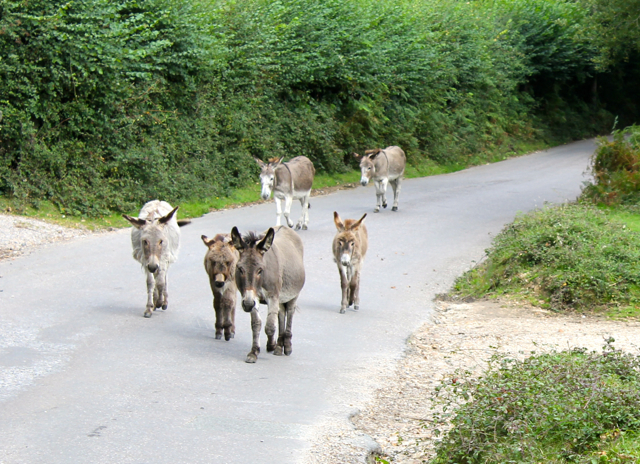
Towards the late nineteenth century there were complaints about the anti-social behaviour of some of the other Forest inhabitants. At that time stallions, bulls and jack donkeys were permitted to roam the Forest all year round and their amorous encounters caused some residents a great deal of consternation. J. W. Gunning, the vicar of East Boldre, complained to the Verderers in 1888 that the courtship behaviour of the jack donkeys, in particular, would have an ‘evil effect ‘on the children of his parish and corrupt their moral habits. The following year he wrote to say that ‘my daughters cannot go out, nor any lady call at my house with such disgusting sights and noises going on all day and night.” An Agister reported in court that no one else had complained about the behaviour of the donkeys and that, in his opinion, he believed the vicar’s neighbours were turning the donkeys out deliberately to annoy him!

The courting behaviour of the free roaming donkeys cause the vicar of East Boldre to complain to the Verderers.

The amorous courting behaviour of the free roaming donkeys caused the vicar of East Boldre to complain to the Verderers in 1889.


Posted in New Forest, New Forest pony | Tagged , , , , , , , , , , , , , , , , , , , , , , , , , | Comments Off on New Forest: poachers, smugglers and amorous donkeys!

New Forest: pannage season is for the pigs!

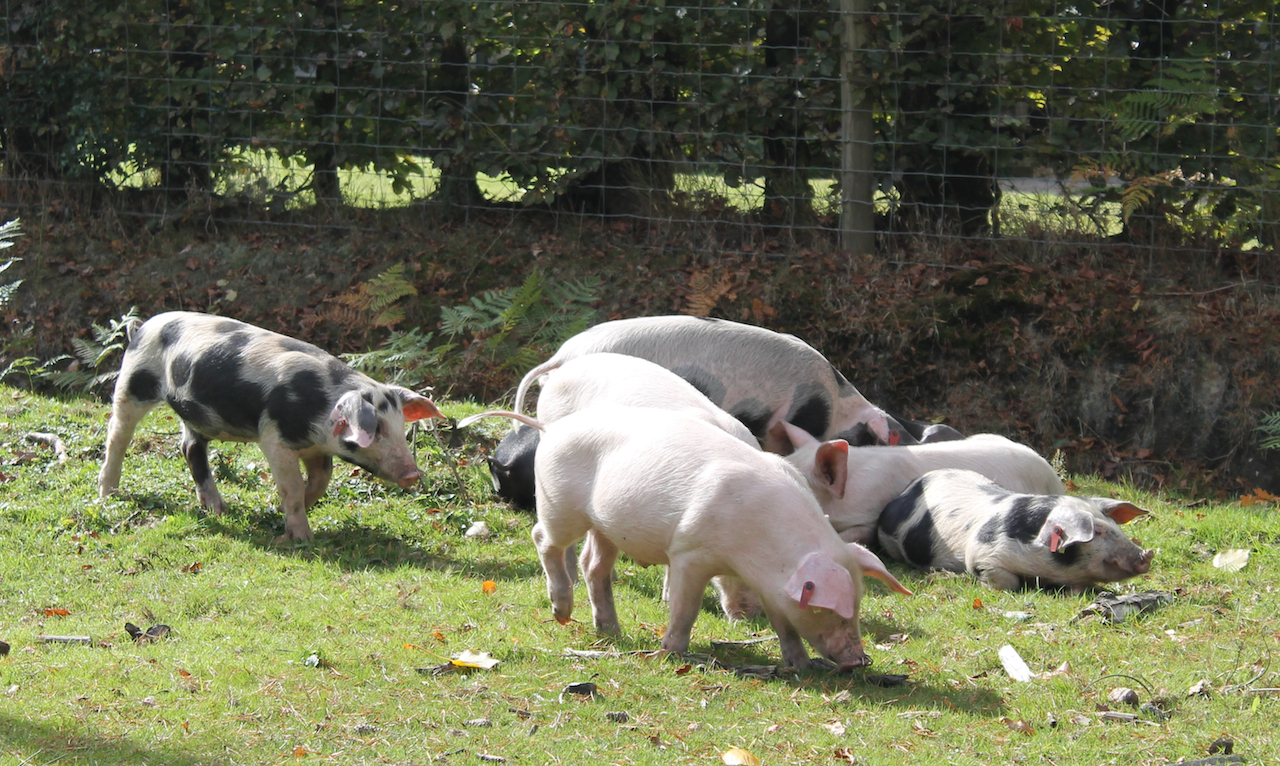
Pannage season is an ancient practice for commoners with Common of Mast

Pannage season, during which pigs are let loose in the New Forest, is an ancient practice observed by commoners with the right of Common of Mast.

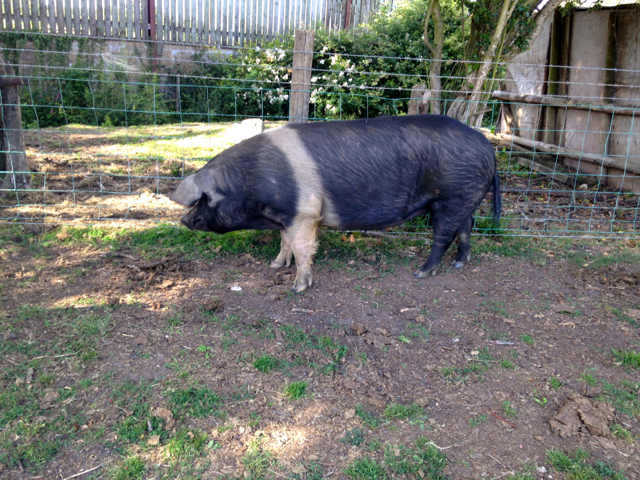
Here piggy, piggy! Pannage season is here! (14 September 2015). Just as the first sight of a swallow in the spring signals the start of summer, so too the sight of pigs loose in the New Forest heralds the beginning of autumn. Pannage season is traditionally the time of year when commoners, with the right of Common of Mast, turn out their pigs to forage on the Open Forest to gobble up the seed harvest from the oak, beech and chestnut trees. Sadly there is no longer a breed of pig native to the New Forest but some old-breed and rare-breed pigs may still be seen during the observation of this ancient tradition. All pigs that are turned out onto the Open Forest are required to be fitted with nose-rings. The nose-rings enable the animals to forage through leaf litter and surface vegetation but inhibit them from rooting into the ground with their snouts and causing damage to the Forest.

The first autumnal acorns
The first acorns that fall from the oak trees, usually in September, are green. Fed to pigs green acorns are excellent for fattening them up ready for the winter, but can cause a fatal colic or poisoning to the Forest ponies, cattle and deer. Pannage season is therefore arranged so that the pigs are left out long enough to eat the bulk of the green acorns. From November, however, the acorns begin to ripen and the pigs are then removed from the Forest so that the deer, game birds and other wildlife can eat the brown acorns, which form an important part of their diet going into the winter months. Preventing the pigs from eating all of the acorns, by limiting their presence on the Forest, hopefully ensures that there are enough seeds from the oaks and other trees to provide them with an opportunity to naturally regenerate.

The duration of pannage season
Pannage season lasts for a period of not less than sixty days. Once upon a time the season used to be set, running from 25th September to 22nd November every year, but quite often the acorns did not fall from the oaks within that period. The date is now flexibly arranged and set by mutual agreement between the Forestry Commission and the Verderers of the New Forest to ensure optimum coverage. This year’s pannage season (2015) will commence on Monday 14th September and run until Thursday 12th November inclusive. However, if there is an over abundance of acorns or too few pigs to eat them the season could be extended until December. (Due to the heavy acorn crop this year, the Pannage Season has been extended and will now run until Sunday, 20th December 2015 by which time all pigs, with the exception of those running on the National Trust Commons in the north of the Forest, must have been removed from the Forest.)

Special treatment for breeding sows
Breeding sows, nevertheless, are given special treatment and are permitted to roam the Open Forest all year round. However, they must not cause a nuisance and must return to the commoner’s holding each night. This arrangement is not a ‘right’ in law but a practice established by ancient custom. This explains why you may occasionally see pigs roaming the Forest out of pannage season. During the pannage season also keep a look out for the local artisan bakeries, farm shops and retailers that sell piggy-shaped biscuits to celebrate this most ancient of New Forest practices.

Pannage season

Pannage season, during which commoner’s pigs are free to roam the New Forest, lasts for a period of not less than sixty days in the autumn.

NB: Due to the heavy acorn crop this year, the Pannage Season has been extended and will now run until Sunday, 20th December by which time all pigs, with the exception of those running on the National Trust Commons in the north of the Forest, must have been removed from the Forest.

Posted in New Forest, Pannage season | Tagged , , , , , , , , , , , , , , , , , | Comments Off on New Forest: pannage season is for the pigs!

New Forest: autumn is here and the drifts are underway

The Agisters control the drifts and direct the commoners who assist with the round-ups.

The pony drifts are an important activity within the traditional working Forest.

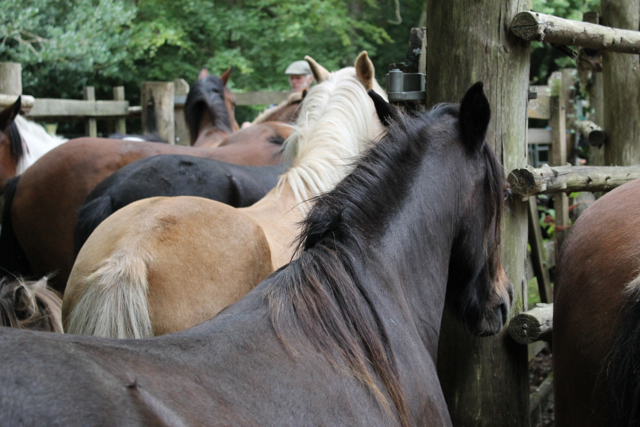
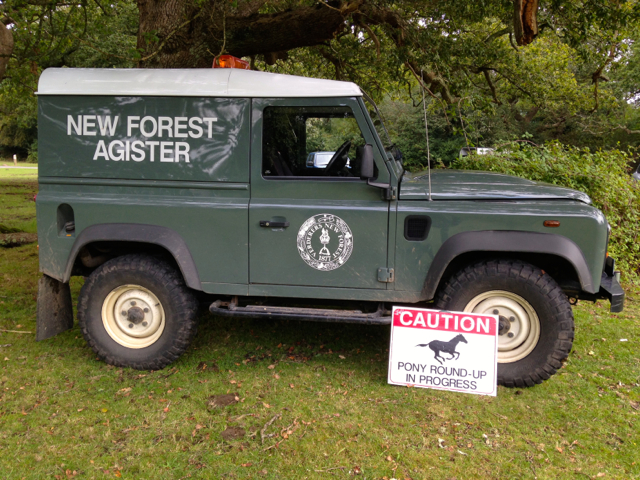
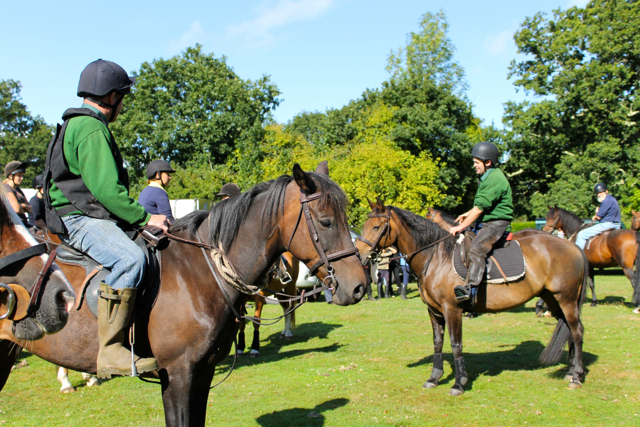
Autumn has arrived. The heathland, woods and lawns wear a pale blanket of mist in the early mornings and the heathland is mantled in purple heather. The blackberries shine like jewels in the hedgerows and great quantities of sloes decorate the blackthorn trees. This is a busy season for the commoners, as they conduct the traditional business of the Forest. The annual pony drifts are now in progress, which is when the ‘wild’ New Forest ponies are rounded up for inspection and processing. Each week, from August to November, several drifts will be held to cover different areas of the Forest. In each area commoners mounted on horses and ponies round up the wild herds and drive them towards a holding area, known as a pound. Once in the pound the ponies can be health-checked, wormed, fitted with fluorescent collars, branded, collected or released back onto the Open Forest. The Agisters, who are employed by the Verderers of the New Forest to help the commoners maintain their stock, are very conspicuous during this time. It is the Agisters who direct the drifts, organise the riders and give instructions to the commoners on the ground. Their aim is to collect as many ponies, and their foals, as possible into the pounds.

Health & Safety
The welfare and safety of all participants, whether mounted or on foot, is of paramount concern during these round ups. Signs are erected in the areas where the drifts are taking place to make other Forest users aware of what is happening. Tourists are asked to stay away, as this activity is undertaken as part of the traditional working Forest and is not suitable for entertainment purposes. Herds of wild ponies galloping across the Forest can be unpredictable. Although it is a coordinated activity it is not without risk, which is why only experienced commoners and horse-owners are invited to assist with the drifts. Many of the riders on the drifts now wear body-protectors, which lessen the risk of injury to their necks and backs, should an accident occur. The Agisters, who are expert horsemen, also take added precautions and wear the new style air vests that inflate if the rider is disconnected from the saddle. Once upon a time, of course, and in the not too distant past the commoners on the drifts would not even have worn riding hats! The horses and ponies ridden during the drifts also have to be up to the job to cover the ground quickly and safely. Forest ponies are ideal for this task and their additional insider knowledge of the terrain and behaviour of their herd-mates has given many of them the epithet of ‘poacher turned gamekeeper’.

The mounted commoners receive their instructions from the Agisiter about the direction of the drift.

The mounted commoners receive their instructions from an Agisiter about the direction of the drift.

IMPORTANT NOTE: The Verderers of the New Forest have announced that the ‘drifts’, or pony round-ups, are an essential part of the management of the semi-feral herd to maintain the health and welfare of the ponies.

For their own safety, members of the public are urged to avoid the area of the drift on the planned dates.

The dates of the #NewForest drifts are advertised to alert visitors and road-users to beware, NOT as an invitation to attend. #workingforest

Posted in New Forest, New Forest customs, New Forest pony, New Forest Pony Drift | Tagged , , , , , , , , , | Comments Off on New Forest: autumn is here and the drifts are underway